

After 20 Years, Letcher County Prison Proposal Is Still Alive, Though Obstacles Remain
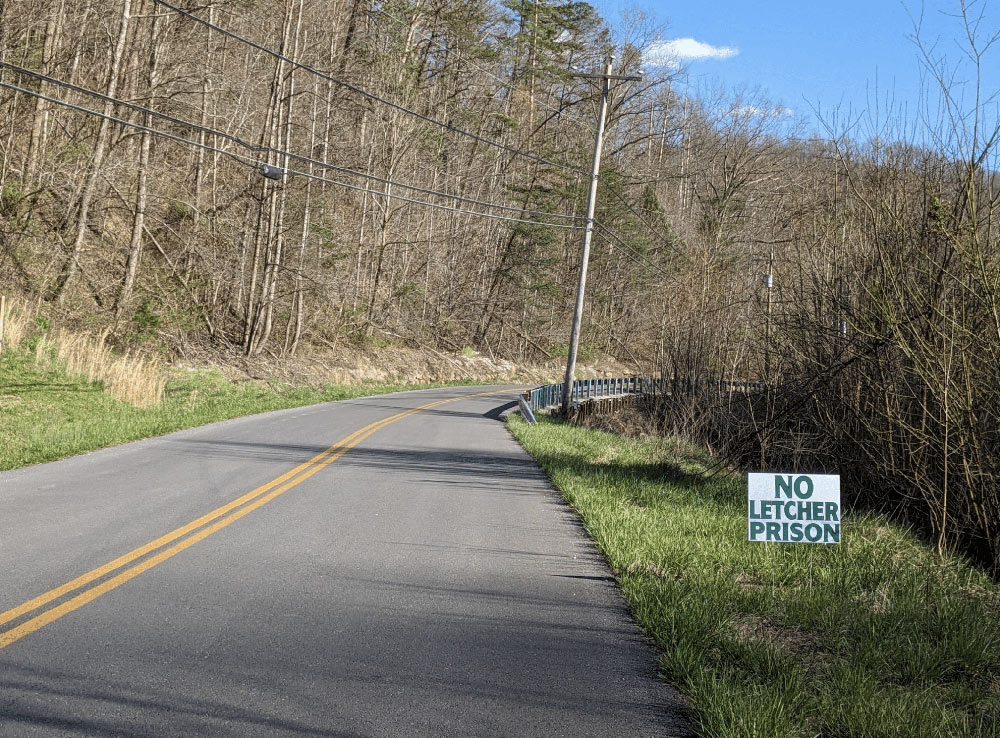
A $605 million proposal for a federal prison on a former strip mine site in Letcher County, Kentucky, championed by U.S. Rep. Hal Rogers, refuses to die, despite local opposition, a lack of support from the executive branch and numerous other obstacles. Rogers, who chairs the House Appropriations Subcommittee on Commerce, Justice, Science and Related Agencies, is pushing for another $100 million in funding for the project, on top of $505 million already appropriated.
Not only is Rogers asking for more money, but the committee report calls for withholding money for all other Bureau of Prisons new construction or acquisition projects until the Letcher County facility is built.
In an Aug. 20 press release, Rogers said, “I am receiving monthly updates from the Bureau of Prisons about progress on the proposed construction site, including the Army Corps’ geotechnical study, and we are moving forward.”
Rogers also touted completion of a water project in Roxana that put more than 70 homes on municipal water.
“The work to prepare for the prison has already improved this county,” Rogers said in the release.
Artie Ann Bates, secretary of Concerned Letcher Countians, doesn’t understand Rogers’ optimism for the project, and she’s frustrated that the water project — paid for with money from the Abandoned Mine Land Economic Revitalization program — remains associated with the prison.
“He forever seems to tie the water project with the prison,” Bates says. “People deserve water whether or not there’s a prison.”
Bates has seen no sign that work on the project is actually progressing.
“How can the project be moving forward?” she asks. “They haven’t bought any property yet.”
Rogers has been trying to get a prison built in Letcher County since 2006. The first Trump administration killed a plan championed by Rogers to build a high-security prison there, calling the prison “unneeded” and the then-$505 million appropriated for it “wasteful spending.”
In 2022, the Bureau of Prisons brought the plan back as a medium-security prison — even though the Biden administration had also urged Congress to cancel the funding and use the money for maintenance for older prisons.
The second Trump administration has also tried to rescind the funding.
The long-stalled effort was further complicated after the Appalachian Rekindling Project, an Indigenous woman-led community building and land restoration group, purchased a key 63-acre parcel of land that is part of the proposed site. ARP plans to restore the land using traditional Indigenous ecological practices and reintroduce bison to the area.
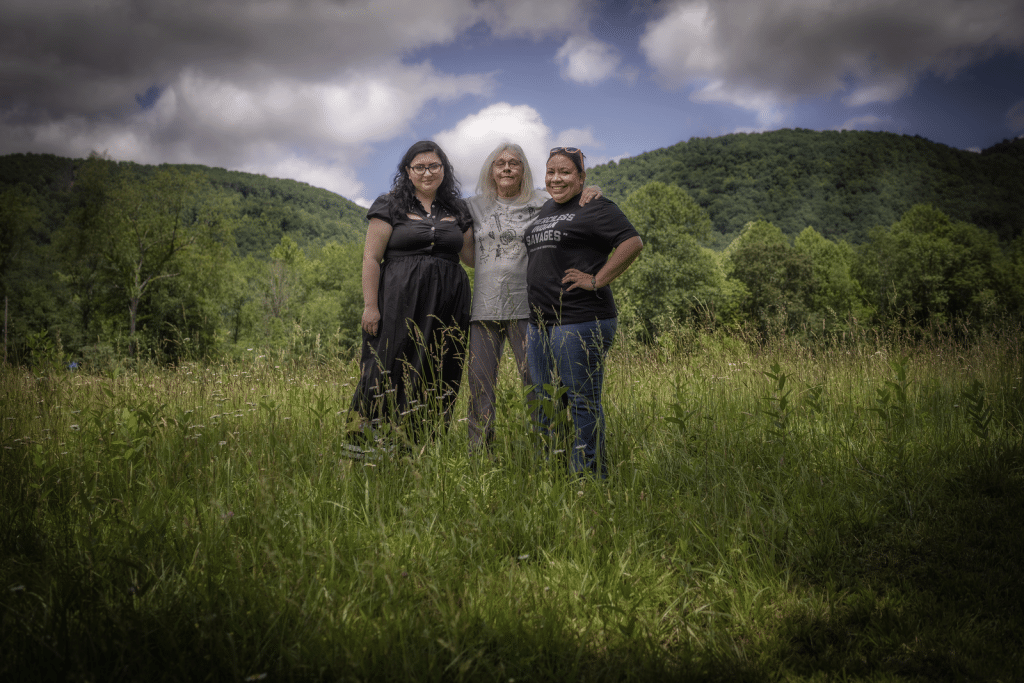
The purchase was supported by a number of organizations opposed to the prison, including the Building Community Not Prisons coalition and the Institute to End Mass Incarceration.
“We have no intent to ever sell,” says Tiffany Pyette, co-executive director of ARP. “I believe that previously mined land isn’t worth giving up on, and the sentiment that a prison is the only thing that can be there is just something we know isn’t true. This is an opportunity to restore a keystone species and to prevent something that we know would be ecologically devastating and devastating to human rights.”
Pyette was not surprised that Rogers is asking for more money for the project.
“The new appropriation request is just really indicative of the fact that the $505 million that was already appropriated is not enough to do what they want to do,” Pyette says. “We knew that, but hopefully this can inform the community that there will continue to be more and more requests for more money to make the prison happen, if it’s going to happen.”
A 2023 study by the Kentucky Center for Economic Policy found that opening federal prisons had failed to improve the economies of three other Southeastern Kentucky counties. Poverty rates remained high and median income remained flat in Clay, Martin and McCreary counties despite the opening of prisons.
“The opposition to this prison has held off construction for nearly 20 years,” Bates says. “Letcher County already has a lot of issues — flooding, lack of fire and EMS services, and more. Having a prison would only make those issues more complicated.”
Related Articles
Latest News
More Stories

‘First Line of Defense’
During Hurricane Helene and its aftermath, rural fire departments and other first responder hubs played critical roles in keeping their communities safe, even without power and cut off from outside support for days or weeks after the storm. Two years later, plenty of work remains to ensure these hubs have the resources they need to operate day to day and be ready when emergencies or natural disasters strike.

The Rocky Road — and Bridge — to Recovery
Hurricane Helene is estimated to have damaged nearly 7,000 private roads and bridges in Western North Carolina. Two years later, many restoration projects are complete, but the journey hasn’t been easy — and isn’t over for others.
The Washout and Rebuild
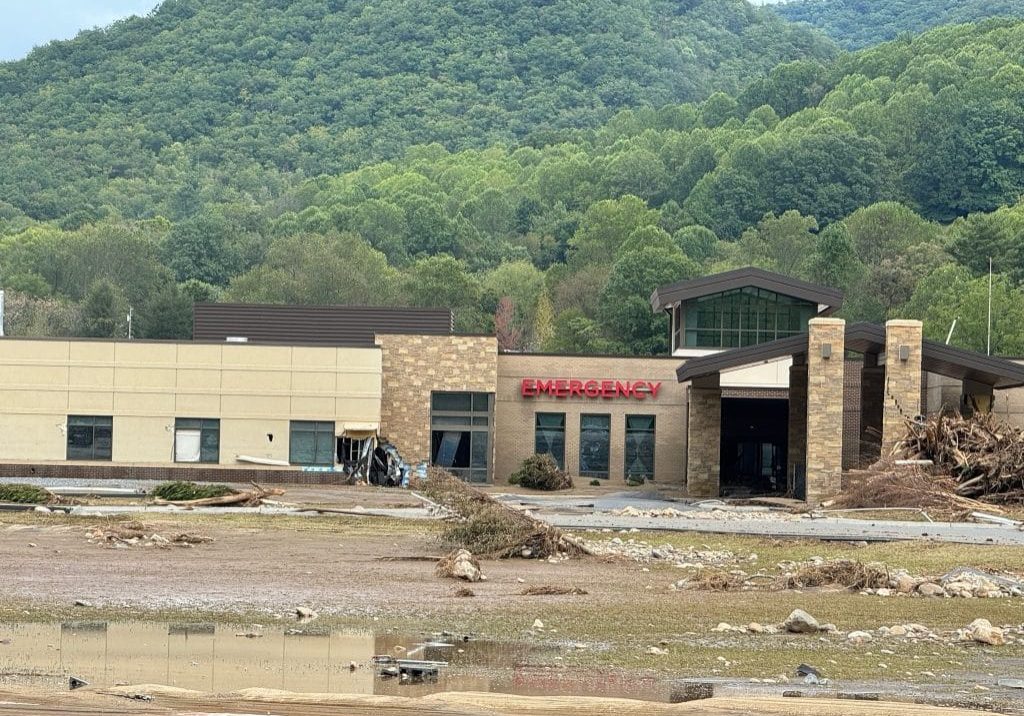
For nearly two years, residents of Unicoi County, Tennessee, have had to make do without a hospital after Hurricane Helene destroyed the rural hospital. Ballad Health, which owns the hospital, broke ground on a new location — in another floodplain — in August 2026.

The Shenandoah Salamander
The Shenandoah salamander is a woodland salamander, which has adapted to life at higher elevations away from water. This sparkling rarity lives among the dry leaves, cracked logs, and stony hillocks on the highest peaks of Shenandoah National Park.
‘Foraging Is a Way of Connecting’
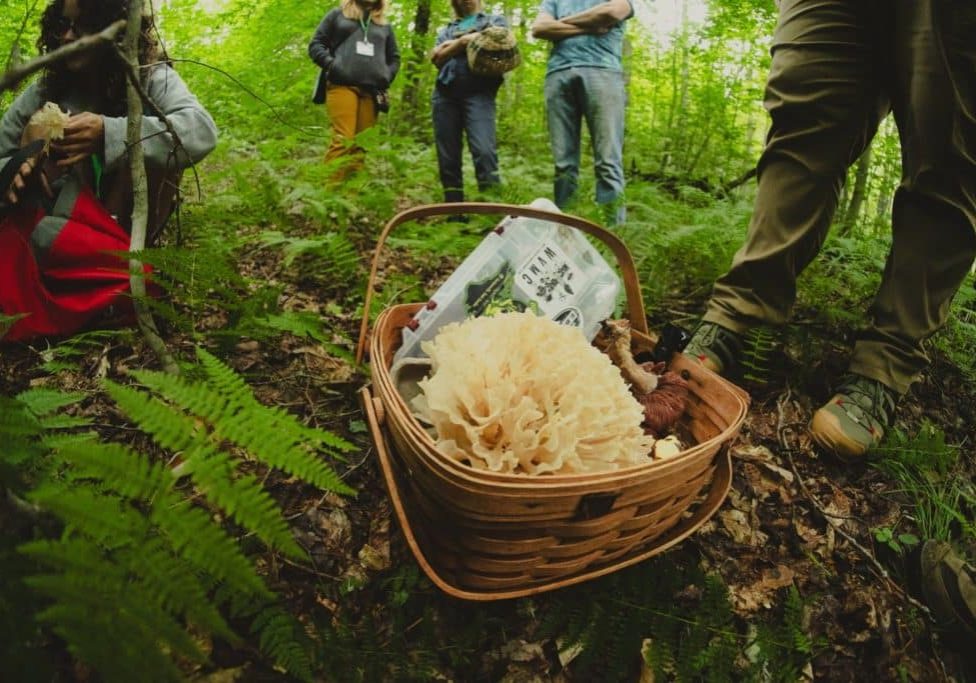
Foraging has experienced a modern resurgence, partly because of social media, online groups, the pandemic and people wanting to connect with nature. It also builds community, whether in person or online.

Colorblind Viewfinders Make Appalachian State Parks More Accessible
Virginia State Parks is the first park system in the nation to have a colorblind viewfinder at each one of its 43 locations — thanks to the dedication of one park ranger. Other states are following suit.

Leave a comment
Your email address will not be published. Required fields are marked *
Leave a Comment