

The Rocky Road — and Bridge — to Recovery
Many private road and bridge projects are complete in Western North Carolina two years after Hurricane Helene, but the journey has been anything but easy — and isn’t over for some
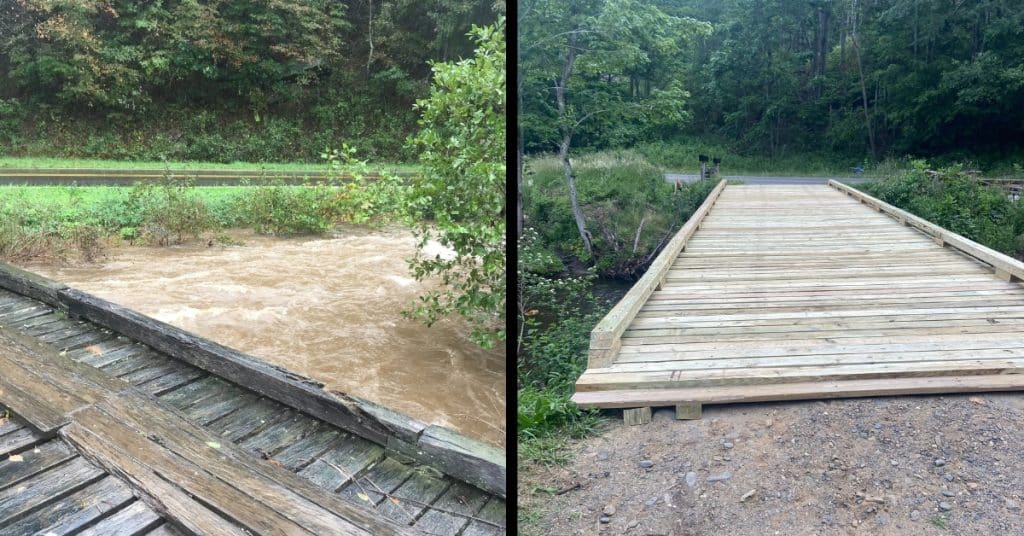
Charity Woodard lives with her husband, young daughter and six dogs in a home her great-grandfather built by a creek in Todd, North Carolina. Her home is connected to the main road by a private-access wooden bridge, a relatively common sight in a region full of mountain creeks and steep ridges.
Hurricane Helene floodwaters and debris stripped much of the wood from their bridge, making it unsafe to drive across, but luckily the beams stayed in place. For about a week after Sept. 27, 2024, she had to cross the beams, wade through the creek or walk through the woods to reach a neighbor’s property, where their bridge was still usable, in order to leave her home.
Her uncle and dad, who used to own a sawmill, brought them some old lumber for a temporary fix so they could drive across the creek. She jokes that the FedEx driver was too scared to use it.
In early 2025, Woodard connected with the nonprofit Lansing’s Bridge to Recovery. The grassroots organization sprang up after Helene and helped over 100 families regain access to their homes before winding down in May 2026. By June 2025, the organization had re-decked Woodard’s bridge. Without their help or extra wood from family, it’s hard to say how long it would have taken to fix the bridge, even just as a temporary solution, Woodard explains.
“We didn’t know anybody that was working on bridges at the time,” she says. “That wasn’t — you probably could have found it by word of mouth, but that wasn’t our priority at the time, because we could manage to get across it. But if you didn’t know anybody, then I wouldn’t even know where to begin.”
Helene is estimated to have damaged nearly 7,000 private roads and bridges like Woodard’s in Western North Carolina. A North Carolina Emergency Management spokesperson shared that many have been repaired with support from federal funds, nonprofits, insurance payouts or property owners’ personal funds. However, the agency doesn’t have data beyond applications received through the state’s Private Road and Bridge Program. The precise number of projects left unrepaired is uncertain.
But private road and bridge repair after Helene isn’t only about what’s been completed and what is left to do. People with new roads or bridges have spent a lot of their own money or faced long, complicated state or federal reimbursement processes due to red tape and competition for limited funds. On the other side, some are stuck dealing with unreliable contractors, driving through creeks, using rough roads or crossing unsafe temporary bridges — all while subsequent flooding has further damaged existing structures. For the nonprofit organizations that have stepped in to fill gaps in support, funding this work in the future is a major concern.
“It’s not just about structures and building things back,” says Emily Davis, co-founder of Lansing’s Bridge to Recovery. “It’s about regaining some figment of security in your home and everything around it.”
‘It took forever to get paid back’
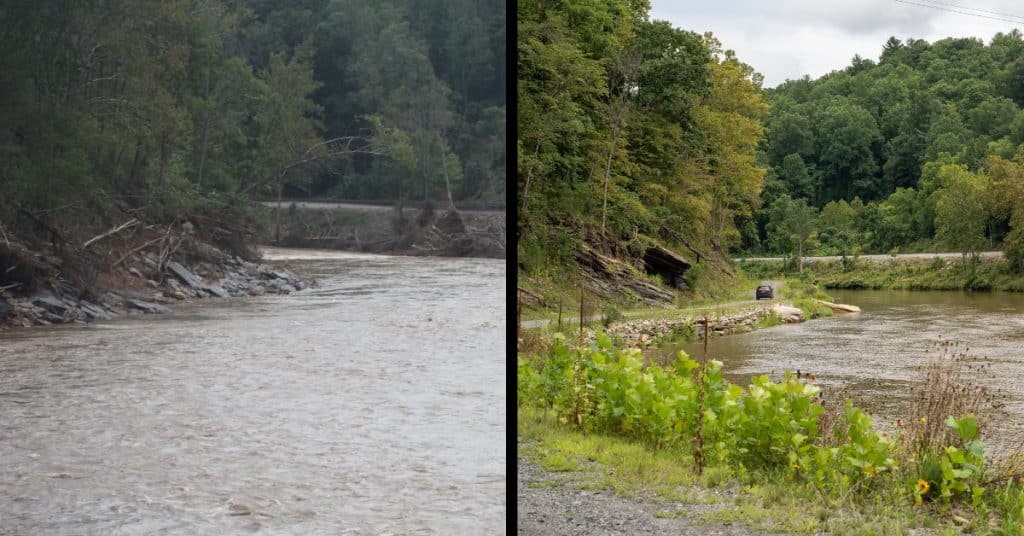
Some state and federal support for private-access roads and bridges was available to impacted residents. For those who qualified for help, many found the process lengthy and difficult to navigate. Red tape led others to give up or avoid applying entirely. At the state level, officials have openly expressed that funding is inadequate to address the full scope of the problem, drawing criticism from residents left without the help they say they need.
The North Carolina General Assembly created the $175 million Private Road and Bridge Program to provide $150 million for state-managed repair and rebuilding projects and $25 million to reimburse households up to 50% of qualifying project expenses. As of publication, the program has received 4,022 unique site submissions — 3,205 roads and 817 bridges — for state-managed projects, with an estimated repair cost of $309 million, far exceeding available funds. The average repair cost per household is $37,549, with bridge repairs costing the most among requested repairs.
To date, the program has completed 148 sites serving 854 households, with 132 sites in progress, according to a NCEM spokesperson. Current available funding will enable repairs at 371 sites without emergency vehicle access. Meanwhile, the reimbursement program has distributed $5,143,643 in funding, serving 1,515 households.
The spokesperson explained that the program has prioritized restoring emergency service access for eligible properties. Projects also follow engineering standards with additional flooding in mind to keep communities accessible and ensure repairs will withstand future events. For instance, some bridges might be raised or built with deeper pilings.
Meanwhile, the Federal Emergency Management Agency provided more than 12,600 families with $34.2 million for private-access bridge and road repairs.
“Award amounts and reimbursement timelines varied based on damage, project complexity and the number of applicants sharing repair costs,” says a FEMA spokesperson.
Households had to meet several qualifications to receive FEMA Individual Assistance, including being full-time residents of the property, and they could only receive up to $42,500. For a structure serving multiple homes, each household must apply separately for individual assistance to pool funds with their neighbors.
Charles and Trish Ciaffone received FEMA funding after floodwaters destroyed the private road serving their home and two others, as well as the bottom section of their driveway. They have lived on a remote 6-acre property on a hill in Yancey County for the past eight years, where Trish Ciaffone’s father’s family has lived for generations.
They paid a contractor $11,000 out of pocket — $33,000 total split three ways with their two neighbors — to fix their private road and more to repair their own driveway a few months after the storm.
“We shelled out $26,000 to be able to get in and out of our house,” says Trish Ciaffone with a laugh.
They did get money from FEMA, but the application process was frustrating, and their full reimbursement took about a year. The long process isn’t feasible for many people, including the Ciaffones, who received help from a generous family member.
“My main complaint about FEMA: I don’t criticize them for anything they did for us, other than it took forever to get paid back,” says Trish Ciaffone. “And a lot of people — this is not a wealthy county for most people — so a lot of people would not have been able to do that on their own.”
Nonprofits filling gaps in funding and support
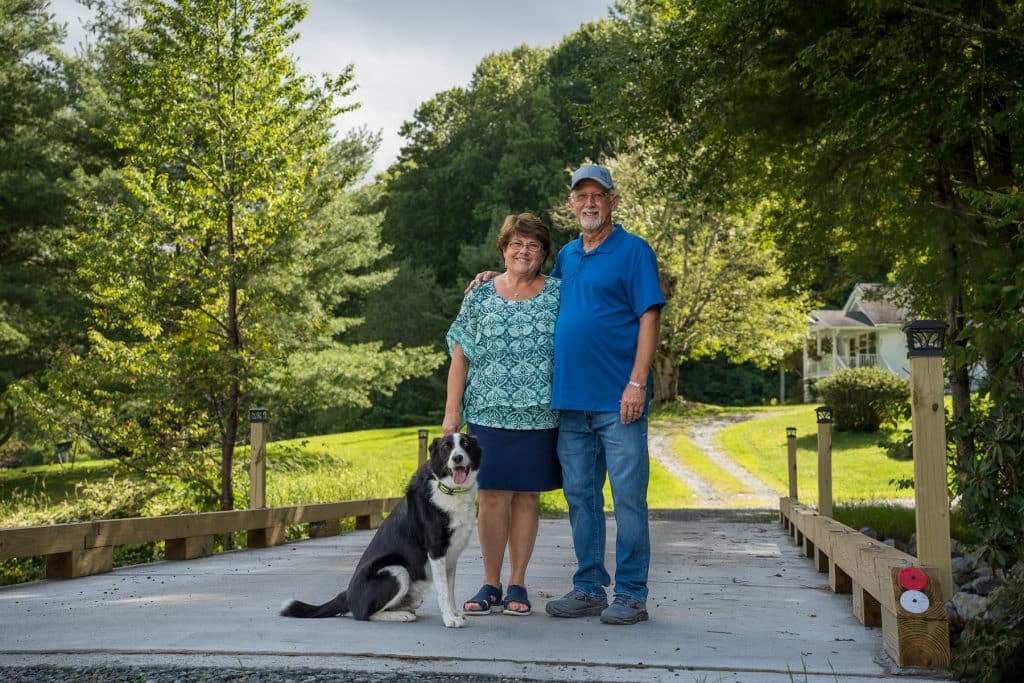
Emily Davis, who runs her own structural engineering firm, co-founded Lansing’s Bridge to Recovery with her husband and friends to meet an immediate community need after Helene. Nonprofits and private organizations like hers played — and continue to play — a major role in this work, especially as state and federal funding has dried up or already been committed.
After 18 months in operation, Lansing’s Bridge to Recovery began winding down as private donations dwindled, and the team wanted to open opportunities for more established nonprofits to access grant funding they didn’t want to manage long-term.
Lansing’s Bridge to Recovery passed along some of their remaining projects to the Bridging Together initiative, a partnership of Lutheran Disaster Response Carolinas and Mennonite Disaster Service. To date, Bridging Together has completed 40 bridges, with 40 additional projects on the way and 50 more they could tackle, depending on timing, volunteer capacity and funding.
“The need keeps growing,” says Ray Sipe, disaster coordinator for Lutheran Disaster Response Carolinas, sharing that he gets two or three new applications each week from people who haven’t applied for help yet.
“They thought [their bridge] would be okay, or they thought they could get it fixed,” Sipe says. “And then these additional floods have just made it worse and worse and worse, and it’s like, ‘We got to have a new bridge.’”
Samaritan’s Purse, an international evangelical Christian disaster relief organization headquartered in Boone, received over 1,700 applications for assistance with private bridges, driveways and culverts. To date, it has completed 714 projects, with 240 in various stages. The average approval amount per application is $32,236.76.
One Samaritan’s Purse project benefited Alice and Gary Stevens, both born and raised in Watauga County. High school sweethearts, the Stevens recently celebrated their 50th wedding anniversary.
“We met playing ping pong,” says Alice Stevens.
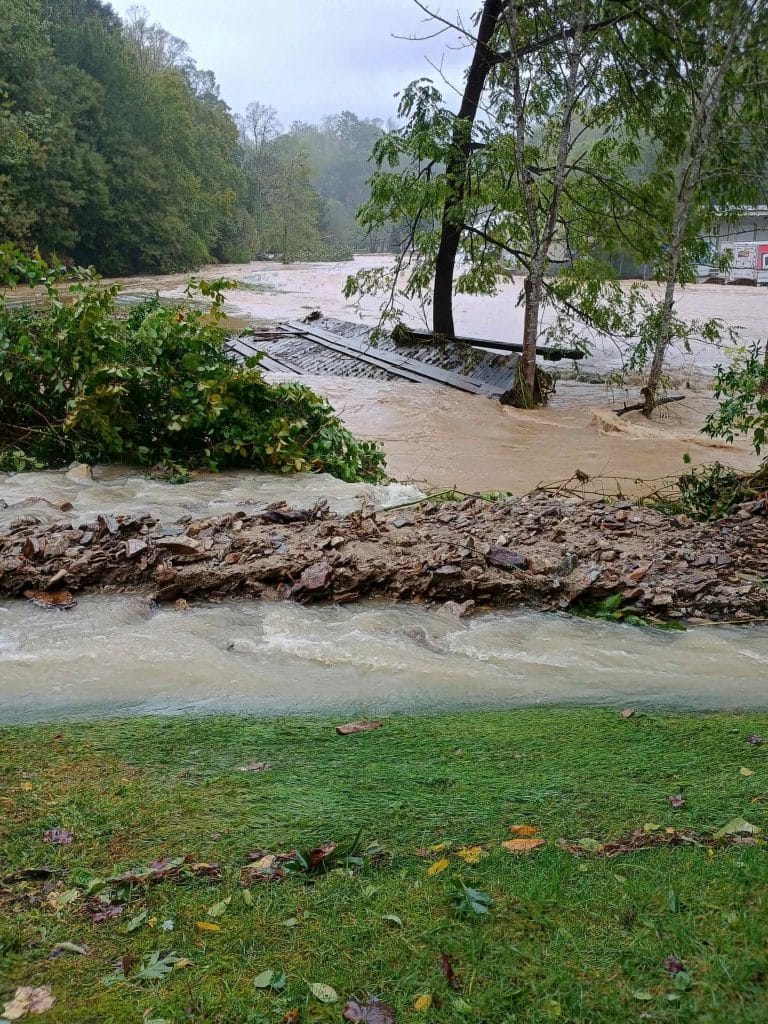
Since 2007, they have lived in Alice Stevens’ family home, built in the 1920s, off a private road with a wooden pole bridge that serves four other families. During that time, their creek, Laurel Fork, has risen above the bridge only three times. Helene floodwaters lifted their bridge and lodged it against trees. The bottom of their road also washed out.
Gary Stevens set up an old bridge beam so they could walk back and forth across the creek for eight or nine days after the storm, until he got help reinstalling their old bridge as a temporary solution. But it wasn’t in the same place, and he had to reinforce it several times because water kept washing out some of the support.
To help with the bridge repairs, the Stevens tried to get support from FEMA but ultimately gave up.
“But Samaritan’s Purse come through,” says Gary Stevens.
When applying with Samaritan’s Purse, Alice Stevens didn’t want to request enough funding to cover the entire project, but Brent Graybeal, driveway, culvert and bridge program manager at Samaritan’s Purse, told her to apply for the full amount.
“When he said that, I just started bawling,” says Alice Stevens. “I said, ‘Oh, thank you, Lord.’”
The whole process took a year and a half, which Graybeal explains is a little longer than normal. But because of the high volume of need in the region, several factors can slow a project, including engineering work, permitting processes and ordering resources.
In May 2026, the Stevens had a brand-new 40-foot bridge.
“I was the first one to drive across the bridge,” says Alice Stevens, smiling.
Funding uncertainty, new challenges ahead
“If somebody wants to know: Do we have enough money to build all the bridges? The answer is no,” says Sipe of Bridging Together. “We always need more.”
Bridging Together has enough work to keep them busy for another three years, but by then, their grants will be exhausted, Sipe explains.
“We’re not done, and it’s going to be a while before we get done, and there will be some we never get to,” he adds.
For those waiting on construction or without clear next steps, not having easy access to their home can be exhausting and even dangerous.
“I’ve seen some of the bridges that people are still using,” Davis says. “It’s pretty bad.”
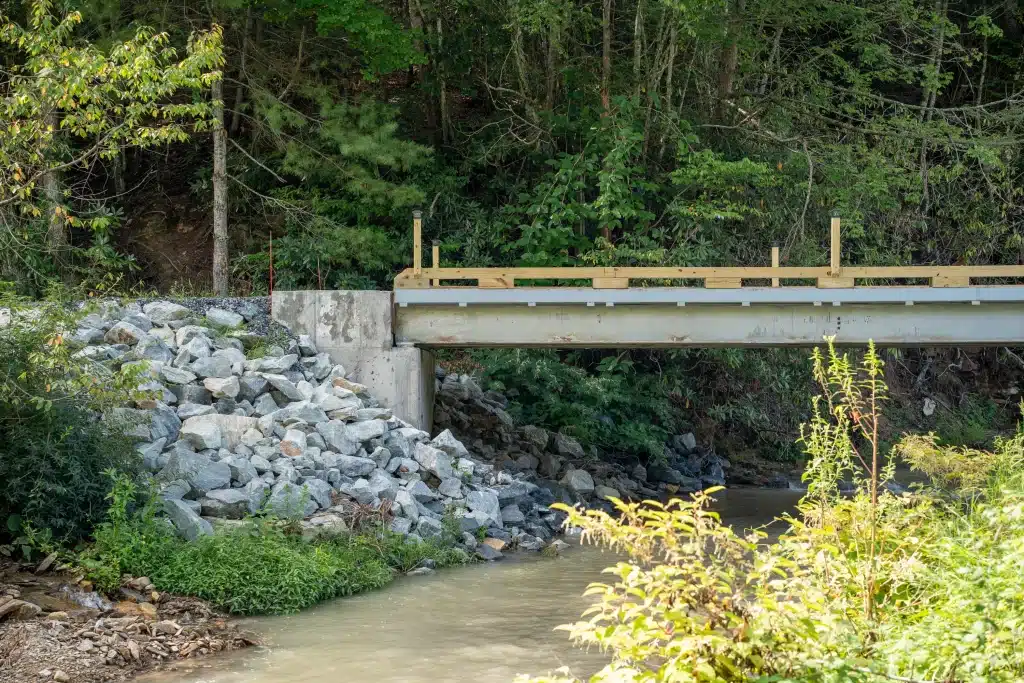
Depending on a structure’s condition, emergency vehicles may not be able to cross, putting households at additional risk.
“Emergency responders need to know that that bridge is safe,” Graybeal says. “When you’re driving something as expensive as a fire truck, they need to know that they can get there safely without endangering their equipment, their lives and other people’s as well.”
Bruce Cook, assistant fire chief at the Broad River Volunteer Fire and Rescue Department in a rural southeast corner of Buncombe County, North Carolina, responded to a house fire after Helene, where his team couldn’t get their full-size fire engine over a crossing. They used their small squad truck but had to drag a hose 500 feet up a hill, which slowed their response.
“By the time we had gotten up there, which was relatively quick — less than 15 minutes — the house was fully involved, because there was a delay in calling 911, and the roof collapsed,” Cook says. “The house burnt down. The guy died.”
Looking ahead, Bridging Together is focused on building resilient bridges that can withstand future floods. One bridge they worked on served 16 families and was in on third version when Helene hit. Residents were tired of rebuilding time and time again.
“Well, this one, they won’t have to,” Sipe says. “It’s already been proven because they’ve had some flooding weather up there a couple of times this year, and [it] hadn’t bothered their bridge at all.”
Some families haven’t been as fortunate. Heavy rain and flooding since Helene wiped out some bridge projects completed by other groups, Sipe shares.
Others have gotten their hopes up, waiting on projects that still aren’t completed two years later. One resident of Western North Carolina lives off a damaged private road and bridge that serves several residences.
Despite pooling FEMA funding to pay for repairs six months after the storm, they still use a temporary access route. Their contractor kept pushing back the start date for about a year, only to show up, complete part of the road and leave the bridge unfinished — a situation that has strained community relations. Construction is still at a standstill as of publication.
Related Articles
Latest News
More Stories
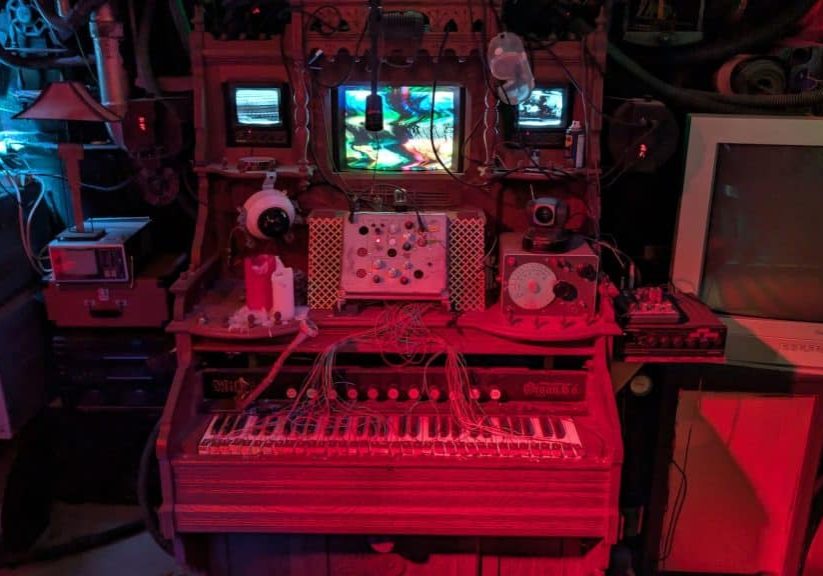
Halloween Approaches, and Night School Is in Session
The House of Art in Bluefield, West Virginia, looks like a haunted tower, making it the perfect location for its sixth annual haunt event: Night School. The Night School will be open every Friday and Saturday night through Oct. 31.
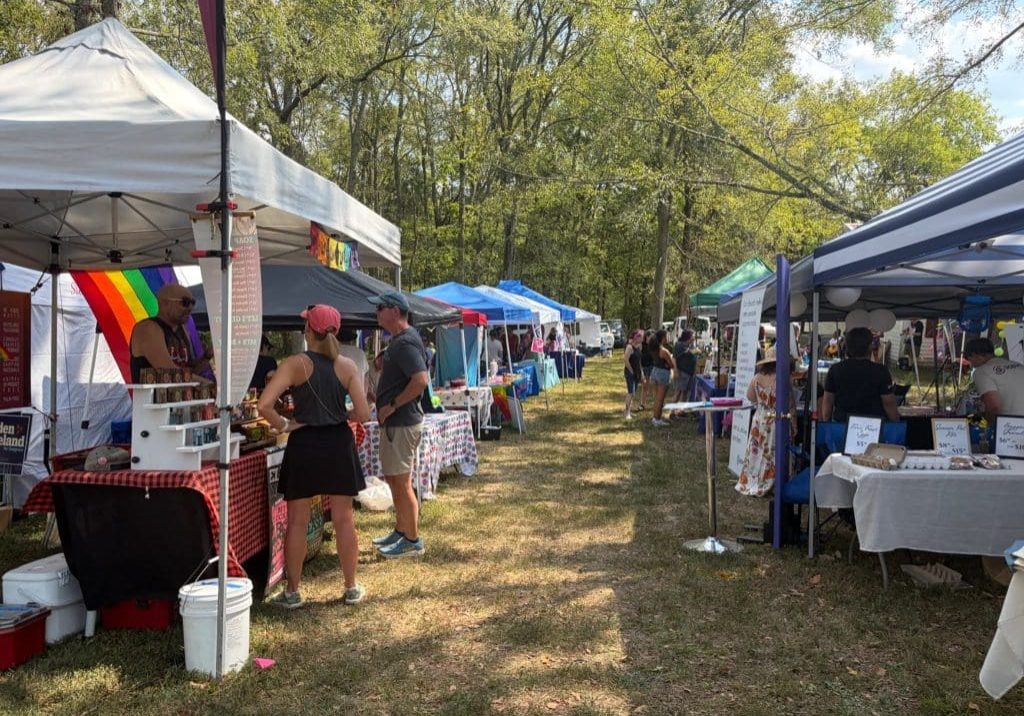
‘The Most Perfect Act of Love’
After losing its rural pride celebration, hundreds of people attended the second annual Affirming Sumner Pride celebration on a 24-acre farm dubbed “Fruity Farm” in Bethpage, Sumner County, Tennessee.
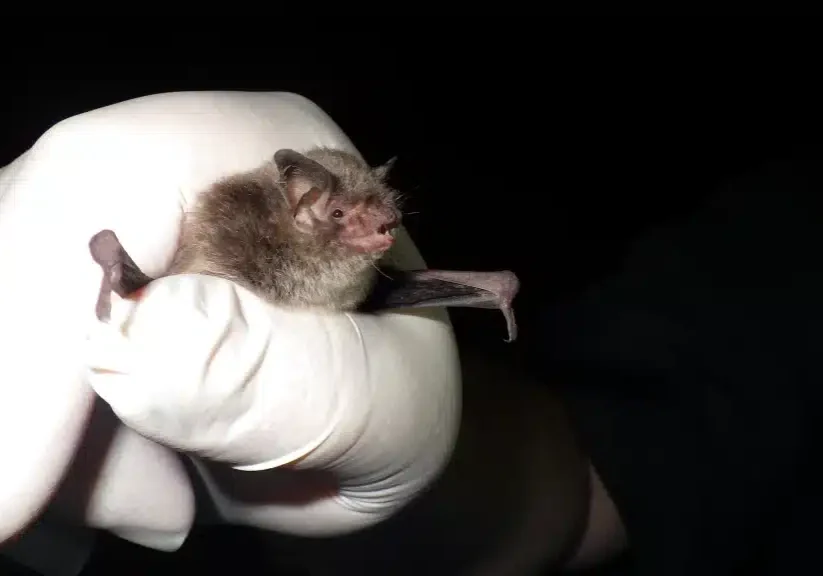
Signs of Life
In the Nantahala National Forest, a team of biologists spotted Indiana bats, an endangered species that hasn’t been seen in North Carolina for the last 11 years.

‘First Line of Defense’
During Hurricane Helene and its aftermath, rural fire departments and other first responder hubs played critical roles in keeping their communities safe, even without power and cut off from outside support for days or weeks after the storm. Two years later, plenty of work remains to ensure these hubs have the resources they need to operate day to day and be ready when emergencies or natural disasters strike.
After 20 Years, Letcher County Prison Proposal Is Still Alive, Though Obstacles Remain
A $605 million proposal for a federal prison on a former strip mine site in Letcher County, Kentucky, championed by U.S. Rep. Hal Rogers, refuses to die, despite local opposition, a lack of support from the executive branch and numerous other obstacles.
The Washout and Rebuild
For nearly two years, residents of Unicoi County, Tennessee, have had to make do without a hospital after Hurricane Helene destroyed the rural hospital. Ballad Health, which owns the hospital, broke ground on a new location — in another floodplain — in August 2026.

Leave a comment
Your email address will not be published. Required fields are marked *
Leave a Comment