

Historical Hidden Treasures of North Carolina
By Rachel Ellen Simon
Junaluska Memorial Site, Museum, and Medicine Trail
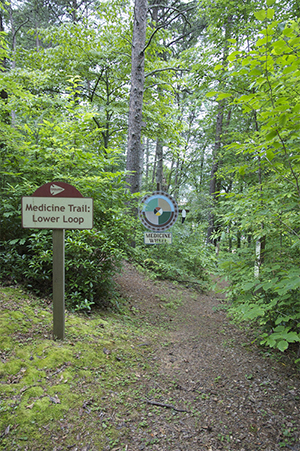
Photo by Kirk Savage
Cherokee warrior Junaluska was among the thousands of Native Americans that were forcibly relocated via the Trail of Tears in the 1830s. Unlike most, however, Junaluska was eventually able to return to his former home in North Carolina, where he died in 1868. Near the Trail route that marked the Cherokee exodus, Junaluska’s burial site is surrounded by a seven-sided monument, in honor of the seven Cherokee clans.
A nearby museum contains artifacts and information about Cherokee culture and history, and an adjacent medicine trail showcases plants traditionally used by the Cherokee. The trail is less than half a mile in length, with a moderate climb.
Open year-round. Free.
More info: Located in Robbinsville, N.C. Visit:
Fort Defiance
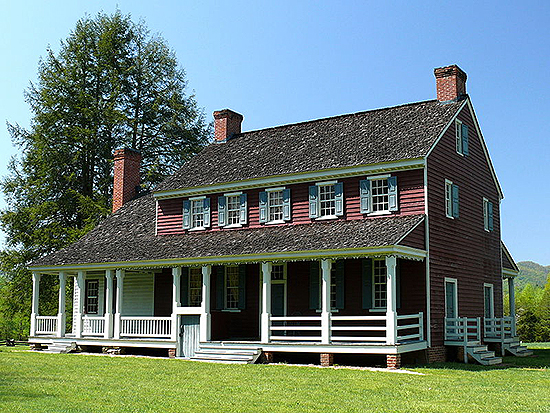
Photo by Ken Thomas
The Revolutionary War was all about defiance, so it is fitting that when General William Lenoir built a home at this former fort site, he named it “Fort Defiance.” Best known for his account of the Battle of Kings Mountain — a key Patriot victory — Lenoir served as a state legislator and the first president of the Board of Trustees at the University of North Carolina – Chapel Hill. Completed in 1792, the home is now a historic site. Visitors can explore the five-acre estate, which includes a 200-year-old garden and family cemetery.
Open year-round. Tours: adults $6, children (5-15) $4, under 5 free.
More info: Located in Lenoir, N.C. Visit: fortdefiancenc.org
Related Articles
Latest News
More Stories
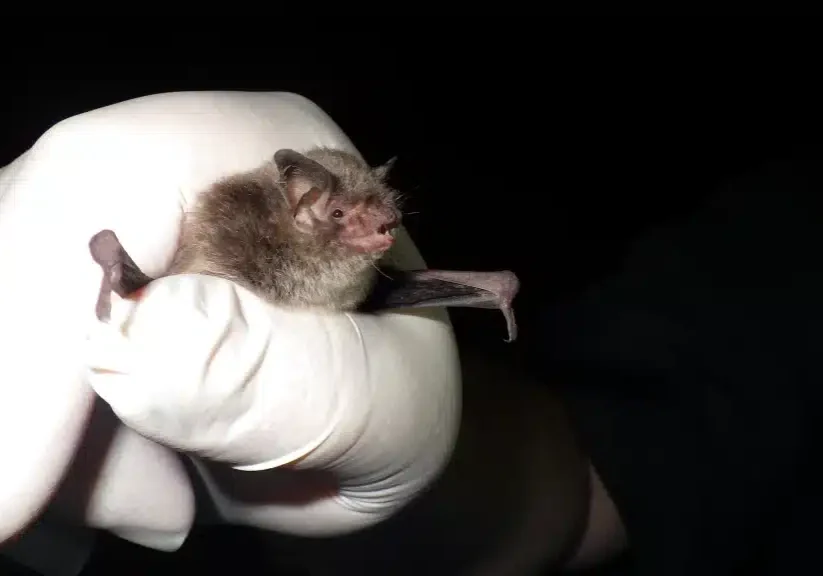
Signs of Life
In the Nantahala National Forest, a team of biologists spotted Indiana bats, an endangered species that hasn’t been seen in North Carolina for the last 11 years.

‘First Line of Defense’
During Hurricane Helene and its aftermath, rural fire departments and other first responder hubs played critical roles in keeping their communities safe, even without power and cut off from outside support for days or weeks after the storm. Two years later, plenty of work remains to ensure these hubs have the resources they need to operate day to day and be ready when emergencies or natural disasters strike.

The Rocky Road — and Bridge — to Recovery
Hurricane Helene is estimated to have damaged nearly 7,000 private roads and bridges in Western North Carolina. Two years later, many restoration projects are complete, but the journey hasn’t been easy — and isn’t over for others.
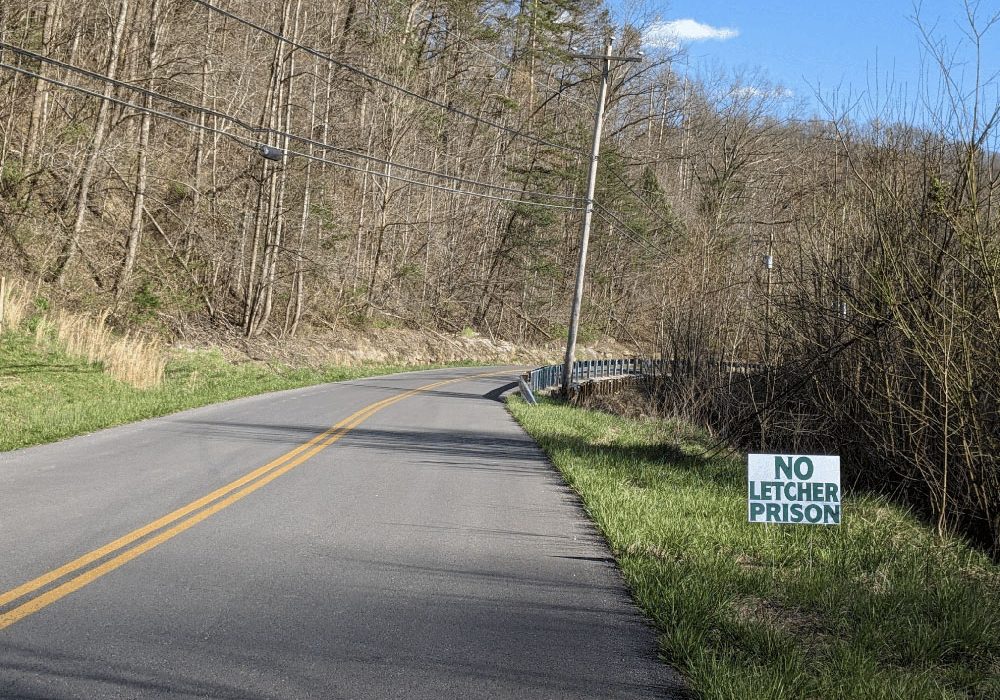
After 20 Years, Letcher County Prison Proposal Is Still Alive, Though Obstacles Remain
A $605 million proposal for a federal prison on a former strip mine site in Letcher County, Kentucky, championed by U.S. Rep. Hal Rogers, refuses to die, despite local opposition, a lack of support from the executive branch and numerous other obstacles.
The Washout and Rebuild
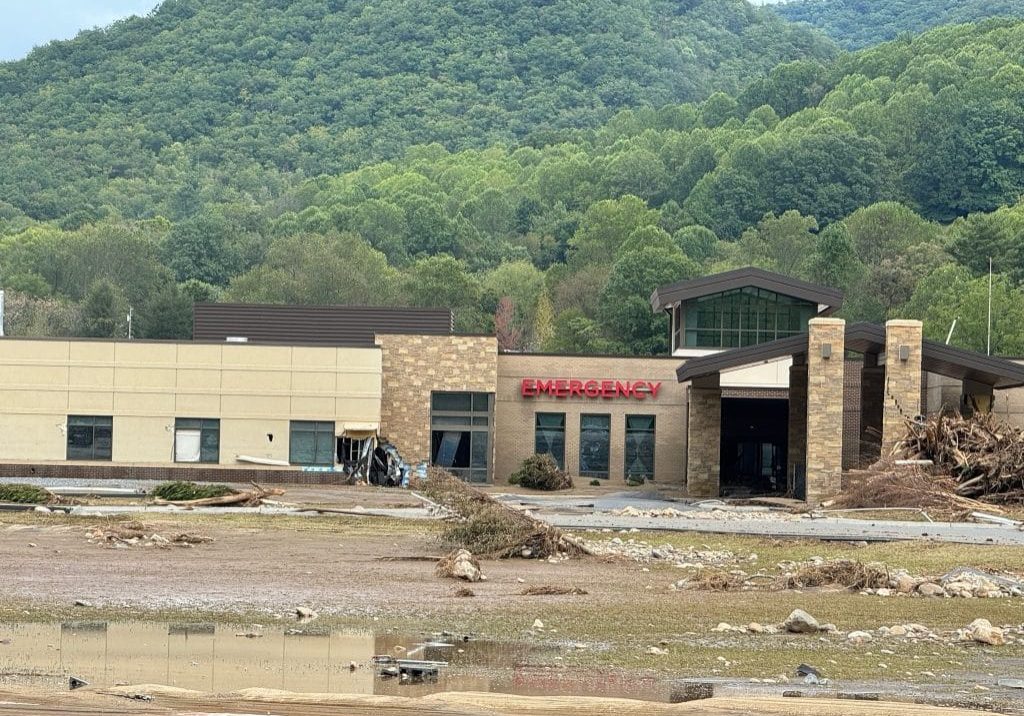
For nearly two years, residents of Unicoi County, Tennessee, have had to make do without a hospital after Hurricane Helene destroyed the rural hospital. Ballad Health, which owns the hospital, broke ground on a new location — in another floodplain — in August 2026.

The Shenandoah Salamander
The Shenandoah salamander is a woodland salamander, which has adapted to life at higher elevations away from water. This sparkling rarity lives among the dry leaves, cracked logs, and stony hillocks on the highest peaks of Shenandoah National Park.

Leave a comment
Your email address will not be published. Required fields are marked *
Leave a Comment