

Five Trails in Appalachia Designated National Recreation Trails

Hikers at Green Mountain Nature Preserve. Photo by Lauren Sanderson
U.S. Department of the Interior Secretary Deb Haaland designated 10 hiking trails as National Recreation Trails on June 5 as a part of National Trails Day. These trails are located in Alabama, Illinois, Kentucky, Missouri, North Carolina, Texas, Wyoming and West Virginia. Of the 10 trails, five are found in the Appalachian region.
There are more than 1,300 National Recreation Trails, and they can be found in every U.S. state as a part of the larger National Trails System.
“National recreation trails boost local economies and provide communities with safe, equitable access to the outdoors,” said Haaland in a press statement.
Three of the five newly designated trails in Appalachia are found in Alabama.

A waterfall at Bethel Springs Nature Preserve. Jim Kendall
Chapman Mountain Recreational Preserve Trail System boasts seven public trails open to hikers, mountain bikers and horseback riders. Most recently, an 18-hole disc golf course was added to the preserve as well.

Two hikers at Green Mountain Nature Preserve. Photo by Lauren Sanderson
The June 5 declaration also gave National Recreation Trail status to the 700-acre Piney Knob Trail System in North Carolina, which contains 13.5 miles of trails. These six public trails are open to both hikers and mountain bikers, with lengths ranging from less than a mile to The Gobbler, a 5.1-mile trail with more than 400 feet of elevation change.
The longest Appalachian trail to receive this special status is the Greenbrier River Trail, one of the longest trails in West Virginia at 78 miles. This diverse trail runs along a former railroad bed. It is open to hikers, bikers and horseback riders, and includes bridges and tunnels. The trail passes through several towns and a National Radio Quiet Zone, meaning for part of the trail there is no cell phone service or wi-fi access to minimize interference at the Green Bank Observatory.
Each trail will receive certificates, trail markers and a letter of recognition to mark their statuses as National Recreation Trails. They are also included in the National Recreation Trail database.
Related Articles
Latest News
More Stories

Halloween Approaches, and Night School Is in Session
The House of Art in Bluefield, West Virginia, looks like a haunted tower, making it the perfect location for its sixth annual haunt event: Night School. The Night School will be open every Friday and Saturday night through Oct. 31.
‘The Most Perfect Act of Love’
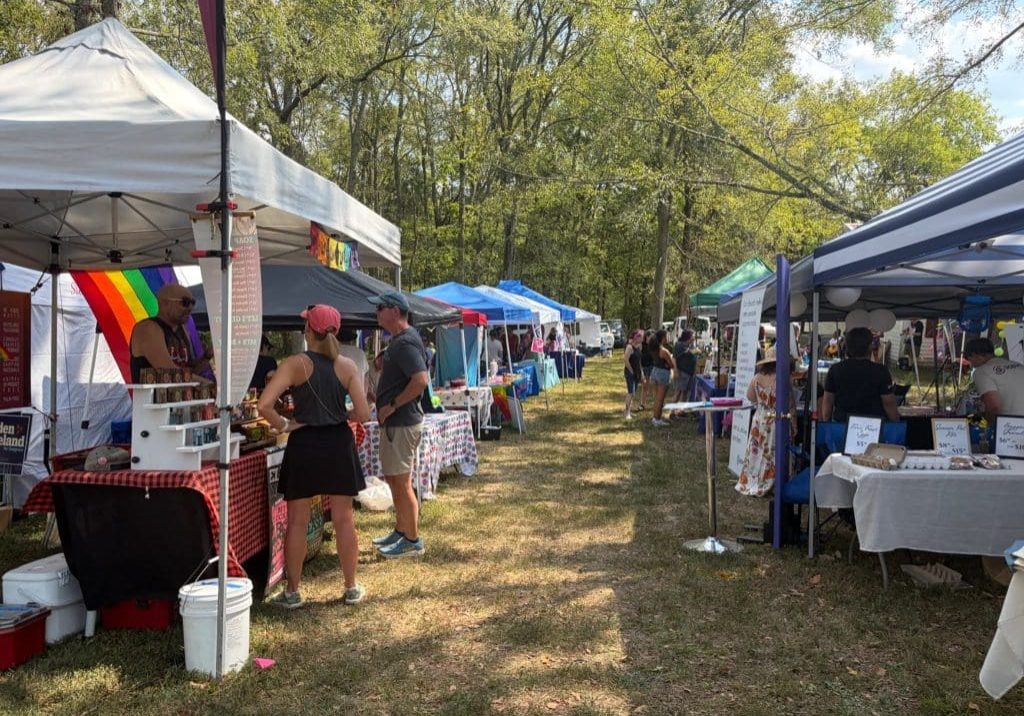
After losing its rural pride celebration, hundreds of people attended the second annual Affirming Sumner Pride celebration on a 24-acre farm dubbed “Fruity Farm” in Bethpage, Sumner County, Tennessee.
Signs of Life
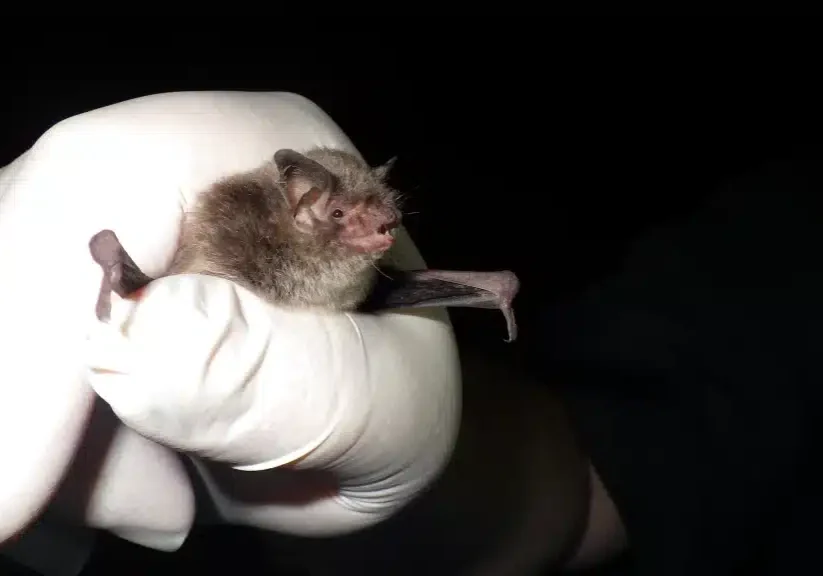
In the Nantahala National Forest, a team of biologists spotted Indiana bats, an endangered species that hasn’t been seen in North Carolina for the last 11 years.

‘First Line of Defense’
During Hurricane Helene and its aftermath, rural fire departments and other first responder hubs played critical roles in keeping their communities safe, even without power and cut off from outside support for days or weeks after the storm. Two years later, plenty of work remains to ensure these hubs have the resources they need to operate day to day and be ready when emergencies or natural disasters strike.

The Rocky Road — and Bridge — to Recovery
Hurricane Helene is estimated to have damaged nearly 7,000 private roads and bridges in Western North Carolina. Two years later, many restoration projects are complete, but the journey hasn’t been easy — and isn’t over for others.
After 20 Years, Letcher County Prison Proposal Is Still Alive, Though Obstacles Remain
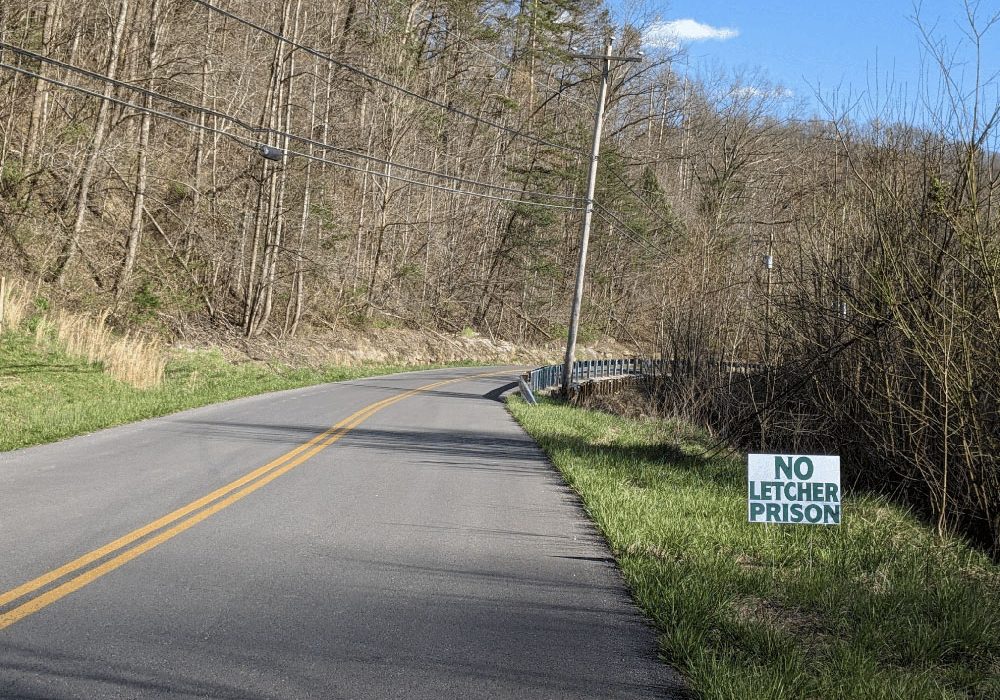
A $605 million proposal for a federal prison on a former strip mine site in Letcher County, Kentucky, championed by U.S. Rep. Hal Rogers, refuses to die, despite local opposition, a lack of support from the executive branch and numerous other obstacles.

Leave a comment
Your email address will not be published. Required fields are marked *
Leave a Comment