

Creating a Future for Coal-Industry Workers in Clean-Energy Economy
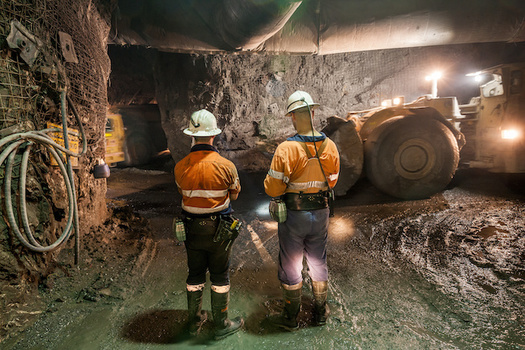
Mining employment has risen by 55,000 since a trough in August 2020 but is 96,000 below a peak in January 2019, according to the Federal Bureau of Labor Statistics.(Adobe Stock)
CHARLESTON, W.Va. — As lawmakers consider a $3.5 trillion-dollar budget resolution with historic investments to address climate change and spearhead clean-energy development, experts say coal workers will need wage replacement and retraining to successfully transition to a clean-energy economy.
According to data from the Union of Concerned Scientists and the Utility Workers Union of America, the nation lost at least 25% of its mining jobs between 2015 and 2019.
Jeremy Richardson, senior energy analyst in the Climate and Energy program for the Union of Concerned Scientists, said a key piece of the puzzle in the clean-energy transition is addressing the needs of the workers most likely to suffer the consequences.
“The big one here is the piece around five years of comprehensive wage replacement for the workers, facing the closure of a mine or a plant,” Richardson explained.
According to a report Richardson co-authored this year, the estimated cost of these supports for coal workers ranges from $33 billion to $83 billion in the next 15 to 25 years. He argued it is a small fraction of the funds needed to shift the country to a low-carbon economy.
Richardson contended the length of wage-replacement benefits is critical to help workers move into clean-energy sector jobs that offer comparable or higher wages.
“What we find happening in the economy is that workers will take the quickest path that they can find to get a new job, because they need to support their families,” Richardson observed.
Richardson emphasized the federal government should prioritize individual workers’ livelihoods through retraining and economic development programs, and be prepared to help minimize the impact of facility shutdowns on coal communities.
“I really, passionately believe that if we’re going to solve the climate crisis, we have to solve this crisis as well,” Richardson asserted.
The report estimates $2.5 trillion in clean-energy sector investments will be needed by 2030 in order to reach near-zero carbon emissions by 2050.
References:
House Resolution 467 2021
Coal workers report Union of Concerned Scientists 05/04/2021
Employment data U.S. Bureau of Labor Statistics 09/06/2021
Editor’s Note: This story was originally published by Public News Service on Sept. 7, 2021.
Related Articles
Latest News
More Stories

Halloween Approaches, and Night School Is in Session
The House of Art in Bluefield, West Virginia, looks like a haunted tower, making it the perfect location for its sixth annual haunt event: Night School. The Night School will be open every Friday and Saturday night through Oct. 31.

‘The Most Perfect Act of Love’
After losing its rural pride celebration, hundreds of people attended the second annual Affirming Sumner Pride celebration on a 24-acre farm dubbed “Fruity Farm” in Bethpage, Sumner County, Tennessee.

Signs of Life
In the Nantahala National Forest, a team of biologists spotted Indiana bats, an endangered species that hasn’t been seen in North Carolina for the last 11 years.

‘First Line of Defense’
During Hurricane Helene and its aftermath, rural fire departments and other first responder hubs played critical roles in keeping their communities safe, even without power and cut off from outside support for days or weeks after the storm. Two years later, plenty of work remains to ensure these hubs have the resources they need to operate day to day and be ready when emergencies or natural disasters strike.

The Rocky Road — and Bridge — to Recovery
Hurricane Helene is estimated to have damaged nearly 7,000 private roads and bridges in Western North Carolina. Two years later, many restoration projects are complete, but the journey hasn’t been easy — and isn’t over for others.
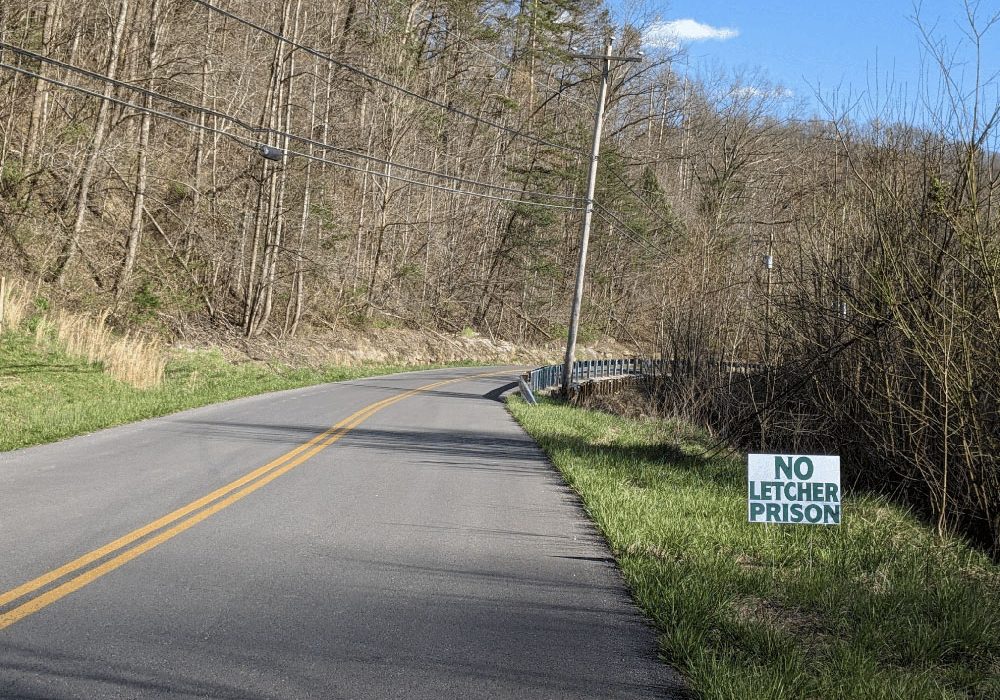
After 20 Years, Letcher County Prison Proposal Is Still Alive, Though Obstacles Remain
A $605 million proposal for a federal prison on a former strip mine site in Letcher County, Kentucky, championed by U.S. Rep. Hal Rogers, refuses to die, despite local opposition, a lack of support from the executive branch and numerous other obstacles.

Leave a comment
Your email address will not be published. Required fields are marked *
One response to “Creating a Future for Coal-Industry Workers in Clean-Energy Economy”
-

This is a question that is particularly acute. You need to do it right now.
I know that in some countries in mining regions funds and government programs have been created to solve social, environmental, and cultural problems, and economic development, ie to create a transformation of the region, but first of all, it is necessary to solve the financial issue of miners.

Leave a Comment