

Celebrate Moths with National Moth Week
July 21-29 is National Moth Week! This week is a time to celebrate moths and encourage everyday people to become citizen scientists by tracking moths in their area at mothing parties.
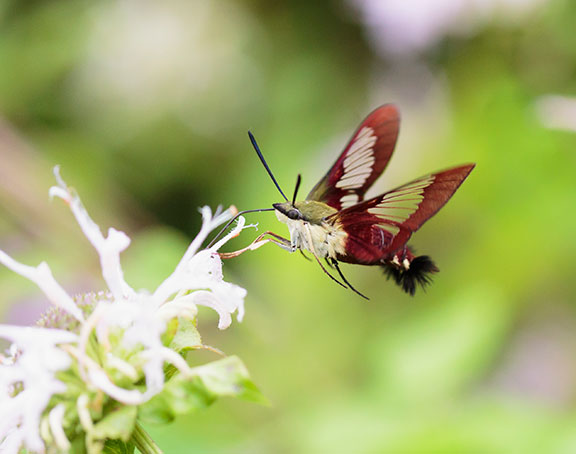
According to photographer Neal Lewis, visual specialist with Shenandoah National Park, the hummingbird clearwing moth is one of the most difficult subjects he has ever attempted to photograph. This unusual pollinator flies during the day, unlike other members of the sphinx moth family, and is often mistaken for a hummingbird because of the way it hovers in midair.
At mothing parties, participants lure moths with light and food, photograph the insects, and submit their photos to any of National Moth Week’s 19 partners, like the Encyclopedia of Life and the Natural History Information System, which use submitted data and photos to track moth populations and educate people about wildlife. Many of these partners accept submissions year-round.
Here’s how to throw a mothing party of your own!
- Start with a light source. Moths love light, and a porch light or flashlight is the easiest way to attract moths. Entomologists say moths prefer blacklights and mercury vapor lights, but any light source can draw moths in.
- Give the moths a surface to rest on. Hanging a white sheet, or using a wall of your house, will let moths bask in the light while you snap a picture.
- Make some party snacks! Moths are attracted to the scent of fruit and fermented sugar. National Moth Week’s recipe calls for ingredients like bananas, beer and molasses, but any similar combination will have moths flocking to your party. Brush the mixture onto nearby trees for best results. Don’t forget to bring some treats for human partygoers, too!
- Take some pictures! Snap photos of the moths and submit to one of their partner sites to help further moth science and education and show off your party’s results.
For more information, visit nationalmothweek.org
— By Ashley Goodman
Remarkable Pollinators
Related Articles
Latest News
More Stories

Signs of Life
In the Nantahala National Forest, a team of biologists spotted Indiana bats, an endangered species that hasn’t been seen in North Carolina for the last 11 years.

‘First Line of Defense’
During Hurricane Helene and its aftermath, rural fire departments and other first responder hubs played critical roles in keeping their communities safe, even without power and cut off from outside support for days or weeks after the storm. Two years later, plenty of work remains to ensure these hubs have the resources they need to operate day to day and be ready when emergencies or natural disasters strike.

The Rocky Road — and Bridge — to Recovery
Hurricane Helene is estimated to have damaged nearly 7,000 private roads and bridges in Western North Carolina. Two years later, many restoration projects are complete, but the journey hasn’t been easy — and isn’t over for others.

After 20 Years, Letcher County Prison Proposal Is Still Alive, Though Obstacles Remain
A $605 million proposal for a federal prison on a former strip mine site in Letcher County, Kentucky, championed by U.S. Rep. Hal Rogers, refuses to die, despite local opposition, a lack of support from the executive branch and numerous other obstacles.
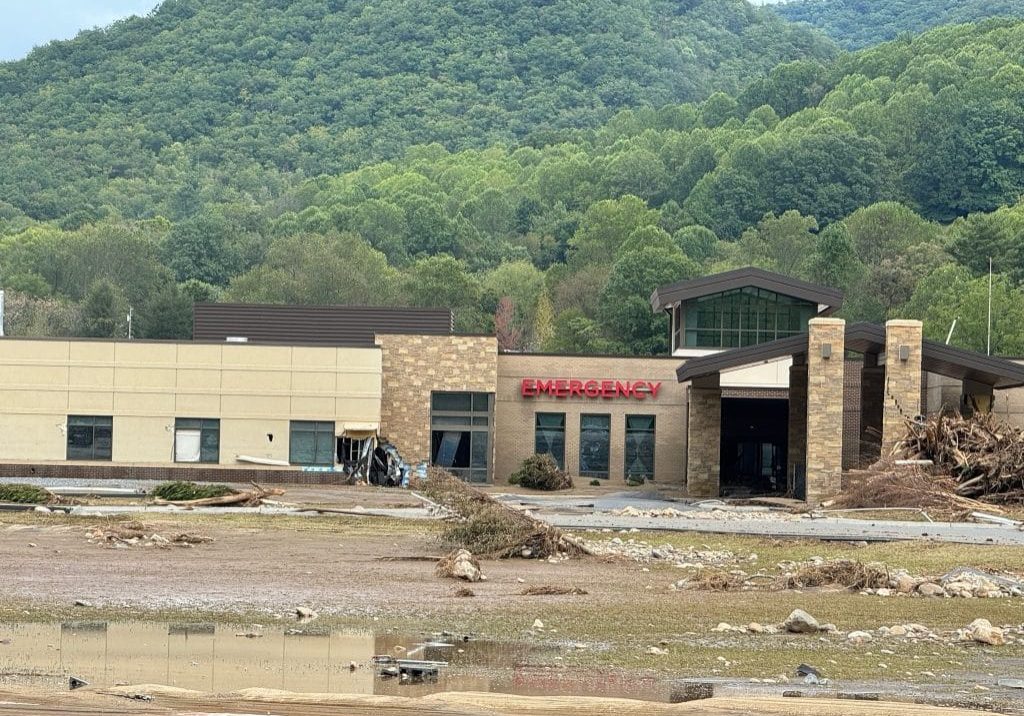
The Washout and Rebuild
For nearly two years, residents of Unicoi County, Tennessee, have had to make do without a hospital after Hurricane Helene destroyed the rural hospital. Ballad Health, which owns the hospital, broke ground on a new location — in another floodplain — in August 2026.
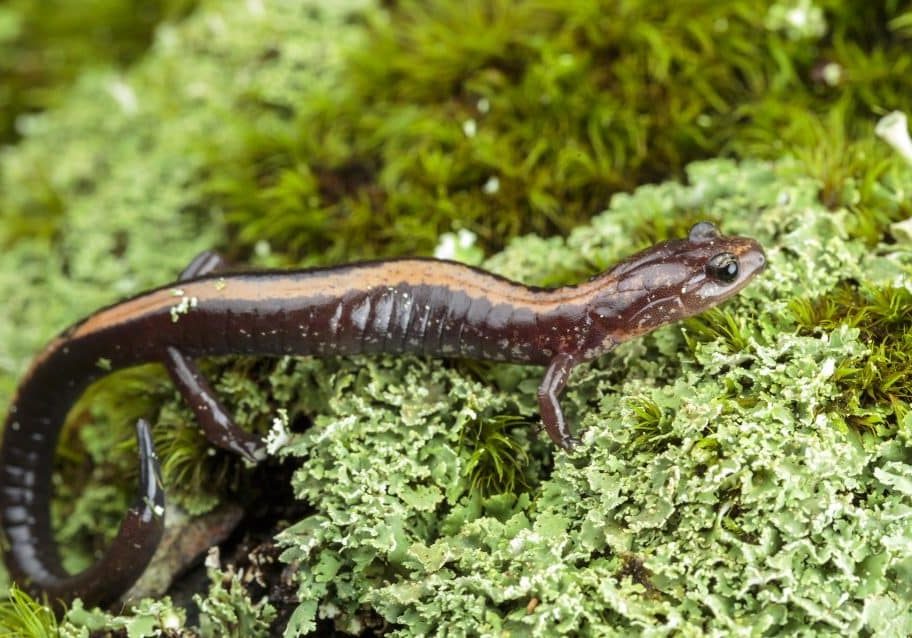
The Shenandoah Salamander
The Shenandoah salamander is a woodland salamander, which has adapted to life at higher elevations away from water. This sparkling rarity lives among the dry leaves, cracked logs, and stony hillocks on the highest peaks of Shenandoah National Park.

Leave a comment
Your email address will not be published. Required fields are marked *
Leave a Comment