

Charting the Clean Power Plan in Virginia
In Virginia, a major goal of Appalachian Voices’ work in recent years has been getting our state on track toward a safe, reliable and affordable energy future, but Virginia has never had a binding state renewable energy standard. The new Clean Power Plan initiative to cut carbon from electricity generation represents the first requirement that impacts the carbon pollution from Virginia’s power plants.
The state Department of Environmental Quality has been holding listening sessions to hear from citizens to address precisely that, soliciting input on how Virginia should respond and plan for compliance. The plan could incentivize energy efficiency programs and drive growth in solar for a more secure grid and shrunken bills for electric customers.
A report by Public Citizen states that the Clean Power Plan will result in savings on residents’ electricity bills, cutting customer payments by 7.7% to at least 8.4% by 2030. But in Virginia the planning process has its possible pitfalls, too. The role of new natural gas plants is both relevant and uncertain, and the risk of allowing our state to become more reliant on fossil fuels in spite of this rule is now a central factor.
Appalachian Voices and our partners will remain engaged throughout the process to ensure that state action reduces pollution long-term and benefits everyday Virginians. For the latest updates and to take action, visit AppVoices.org/clean-power-plan.
Related Articles
Latest News
More Stories

Halloween Approaches, and Night School Is in Session
The House of Art in Bluefield, West Virginia, looks like a haunted tower, making it the perfect location for its sixth annual haunt event: Night School. The Night School will be open every Friday and Saturday night through Oct. 31.
‘The Most Perfect Act of Love’
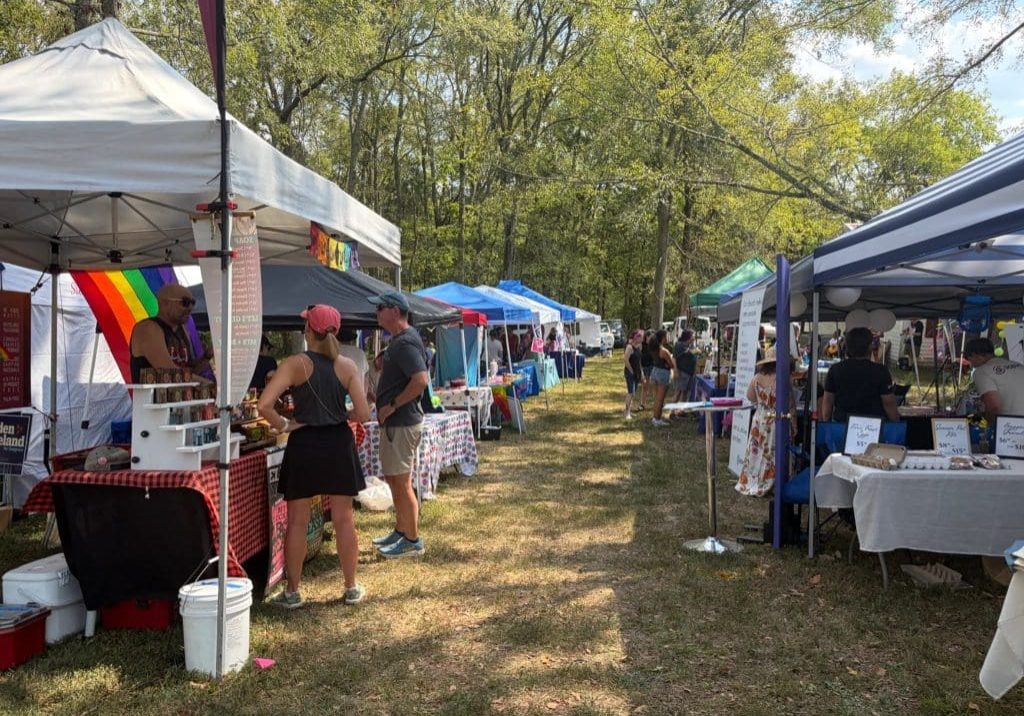
After losing its rural pride celebration, hundreds of people attended the second annual Affirming Sumner Pride celebration on a 24-acre farm dubbed “Fruity Farm” in Bethpage, Sumner County, Tennessee.
Signs of Life
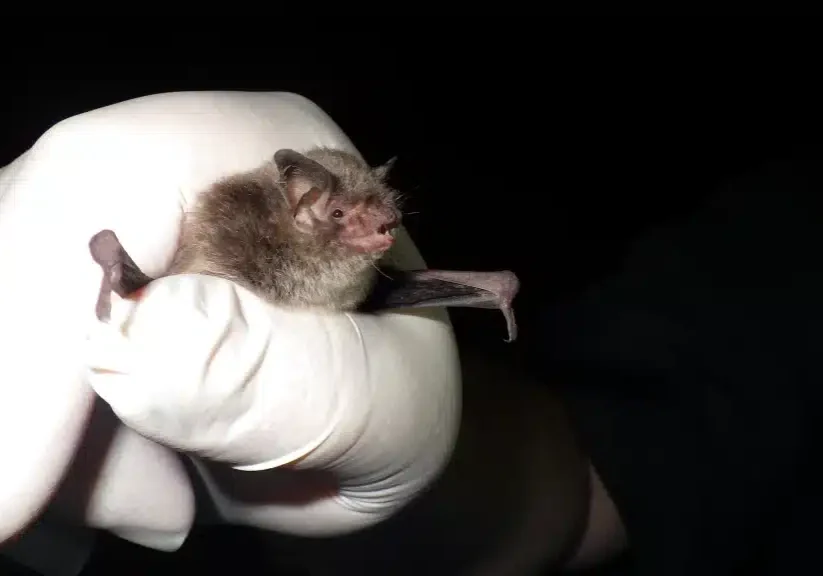
In the Nantahala National Forest, a team of biologists spotted Indiana bats, an endangered species that hasn’t been seen in North Carolina for the last 11 years.

‘First Line of Defense’
During Hurricane Helene and its aftermath, rural fire departments and other first responder hubs played critical roles in keeping their communities safe, even without power and cut off from outside support for days or weeks after the storm. Two years later, plenty of work remains to ensure these hubs have the resources they need to operate day to day and be ready when emergencies or natural disasters strike.

The Rocky Road — and Bridge — to Recovery
Hurricane Helene is estimated to have damaged nearly 7,000 private roads and bridges in Western North Carolina. Two years later, many restoration projects are complete, but the journey hasn’t been easy — and isn’t over for others.
After 20 Years, Letcher County Prison Proposal Is Still Alive, Though Obstacles Remain
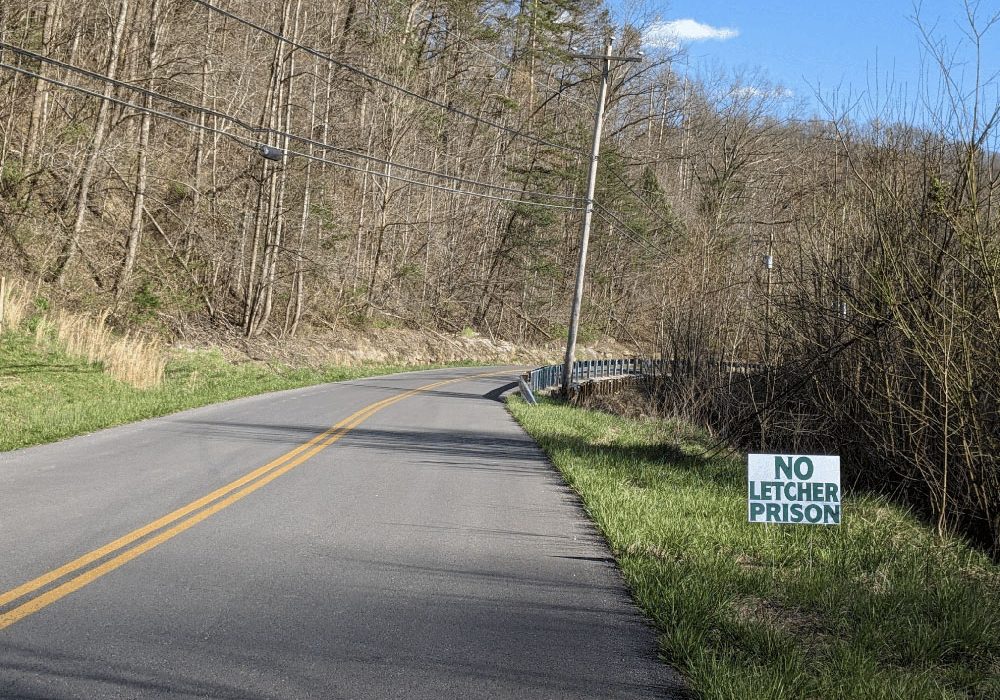
A $605 million proposal for a federal prison on a former strip mine site in Letcher County, Kentucky, championed by U.S. Rep. Hal Rogers, refuses to die, despite local opposition, a lack of support from the executive branch and numerous other obstacles.

Leave a comment
Your email address will not be published. Required fields are marked *
Leave a Comment