

By Brian Sewell
Editor’s Note: This article was written before the U.S. Supreme Court issued a stay that temporarily halts implementation of the Clear Power Plan. To read more about this update, visit here.
States challenging the U.S. Environmental Protection Agency’s Clean Power Plan in federal court are running out of legal options and losing valuable time as most states look to a carbon-constrained future. In January, the U.S. Court of Appeals refused to suspend the Obama administration’s climate regulations while lawsuits move through the courts.
That’s bad news for states including North Carolina, West Virginia and Kentucky that are seeking to block the plan despite public support for clean energy and limits on carbon emissions from power plants. But according to West Virginia Attorney General Patrick Morrisey, who is leading the case against the U.S. Environmental Protection Agency, the plaintiffs “remain confident that our arguments will prevail as the case continues.”
Days after the the decision, states and industry groups petitioned the U.S. Supreme Court to put a stop to the Clean Power Plan. While early legal challenges appear to be floundering, attempts to obstruct the plan at the state level are alive and well.
Officials in North Carolina crafted what its critics are calling a “plan to fail,” primarily to draw the EPA into a legal battle, that achieves less than 3 percent of the reduction in annual carbon emissions required under the Clean Power Plan. Kentucky’s top environmental regulator announced the state would seek an extension for its compliance plan, taking care to note that there is no “minimal level of progress” required for an extension.
At press time, the EPA and groups supporting the Clean Power Plan — including 18 states, more than two dozen power companies, clean energy associations and public health and environmental groups — were filing their responses to the request before the Supreme Court.
Related Articles
Latest News
More Stories

Halloween Approaches, and Night School Is in Session
The House of Art in Bluefield, West Virginia, looks like a haunted tower, making it the perfect location for its sixth annual haunt event: Night School. The Night School will be open every Friday and Saturday night through Oct. 31.

‘The Most Perfect Act of Love’
After losing its rural pride celebration, hundreds of people attended the second annual Affirming Sumner Pride celebration on a 24-acre farm dubbed “Fruity Farm” in Bethpage, Sumner County, Tennessee.

Signs of Life
In the Nantahala National Forest, a team of biologists spotted Indiana bats, an endangered species that hasn’t been seen in North Carolina for the last 11 years.

‘First Line of Defense’
During Hurricane Helene and its aftermath, rural fire departments and other first responder hubs played critical roles in keeping their communities safe, even without power and cut off from outside support for days or weeks after the storm. Two years later, plenty of work remains to ensure these hubs have the resources they need to operate day to day and be ready when emergencies or natural disasters strike.

The Rocky Road — and Bridge — to Recovery
Hurricane Helene is estimated to have damaged nearly 7,000 private roads and bridges in Western North Carolina. Two years later, many restoration projects are complete, but the journey hasn’t been easy — and isn’t over for others.
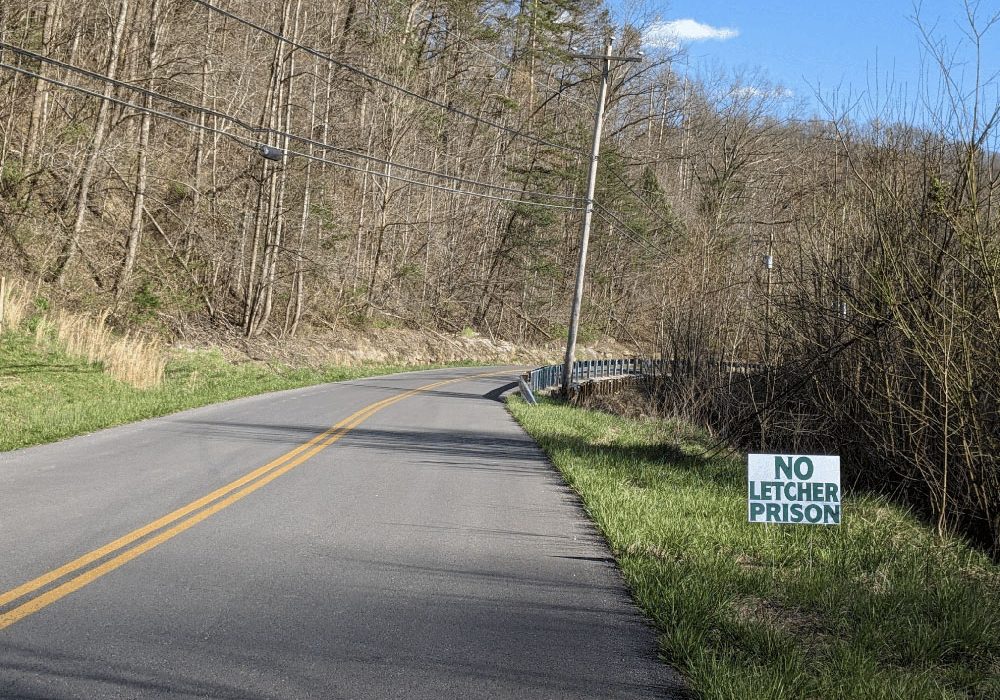
After 20 Years, Letcher County Prison Proposal Is Still Alive, Though Obstacles Remain
A $605 million proposal for a federal prison on a former strip mine site in Letcher County, Kentucky, championed by U.S. Rep. Hal Rogers, refuses to die, despite local opposition, a lack of support from the executive branch and numerous other obstacles.

Leave a comment
Your email address will not be published. Required fields are marked *
One response to “Clean Power Plan Clears Legal Hurdle”
-

The Clean Power Plan keeps all of us safe and healthy.

Leave a Comment