

Certification for Ethically-Produced Ginseng Launches
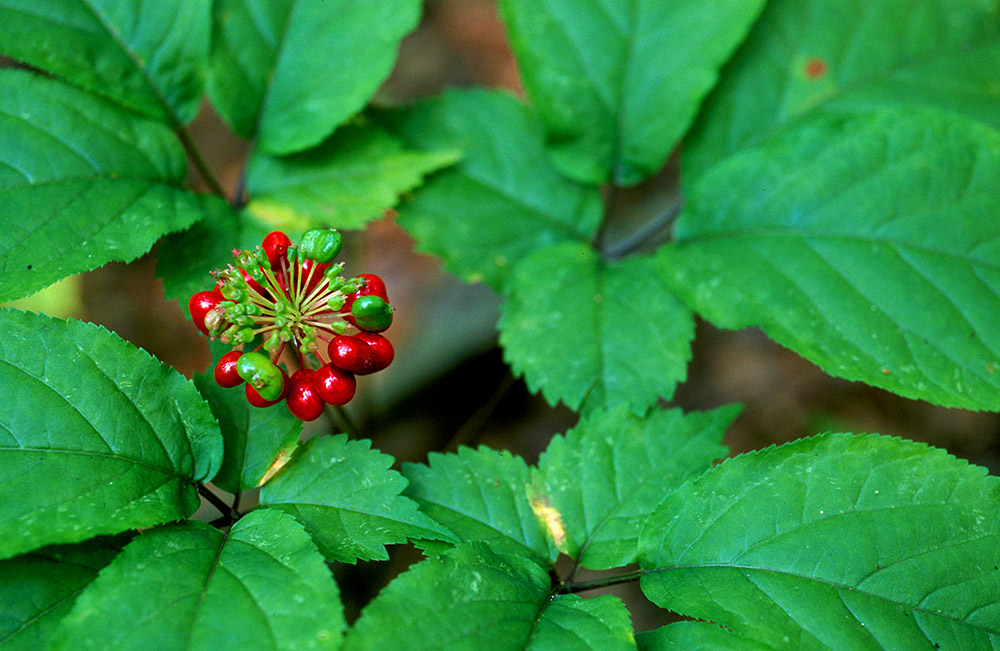
American ginseng, Panax cinquefolium, is native to the eastern and midwestern United States. Photo by Eric Burkhart
By Eliza Laubach
A coveted medicinal plant of the Appalachian mountains, wild American ginseng populations are at risk. Two states have listed the plant as endangered, while eight others also place legal limits to protect the plant.
Sometimes called Grandfather Ginseng, most of the herbs’ roots harvested in Appalachia are shipped to China, according to the U.S. Fish and Wildlife Service. In Asia, the native ginseng is famed, farmed and over-harvested as well, for its reputed benefit to the immune and nervous systems and improved mental and physical strength.
To discourage ginseng poachers and maintain a healthy wild population of American ginseng, Pennsylvania Certified Organic, a national organic certifying company, has teamed up with United Plant Savers, a nonprofit dedicated to protecting at-risk and endangered medicinal plants. Together they have created a set of guidelines for sustainable cultivation and harvest of forest-grown native plants. They started with American ginseng and established a fund to help the first eight farmers through the application process.
Participants will bear a Forest-grown seal on their ginseng products, giving consumers the option of purchasing sustainably farmed ginseng. Adam Seitz, certification specialist at PCO, said the program intends to involve farmers and those who process ginseng into medicine. Six producers and processors have applied this spring.
PCO is developing sustainable cultivation guidelines for other at-risk plants native to Appalachia, such as black cohosh, goldenseal and ramps. Seitz intends to expand the forest-grown certification program to include these and other medicinal plants from across the country.
To learn more, visit paorganic.org
Related Articles
Latest News
More Stories

Halloween Approaches, and Night School Is in Session
The House of Art in Bluefield, West Virginia, looks like a haunted tower, making it the perfect location for its sixth annual haunt event: Night School. The Night School will be open every Friday and Saturday night through Oct. 31.
‘The Most Perfect Act of Love’
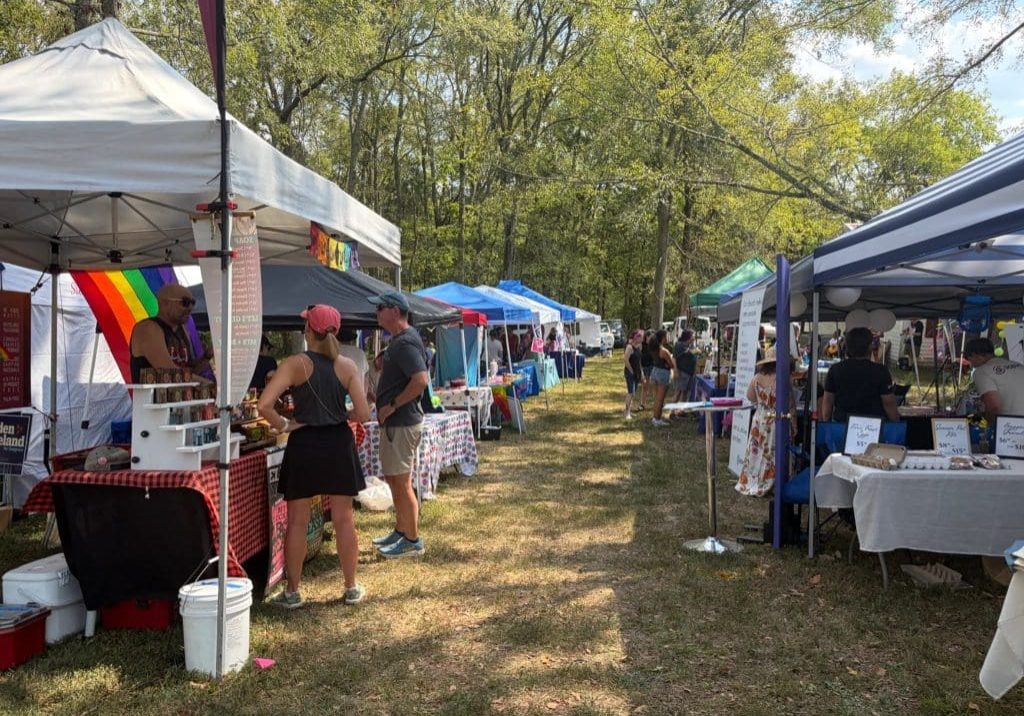
After losing its rural pride celebration, hundreds of people attended the second annual Affirming Sumner Pride celebration on a 24-acre farm dubbed “Fruity Farm” in Bethpage, Sumner County, Tennessee.

Signs of Life
In the Nantahala National Forest, a team of biologists spotted Indiana bats, an endangered species that hasn’t been seen in North Carolina for the last 11 years.

‘First Line of Defense’
During Hurricane Helene and its aftermath, rural fire departments and other first responder hubs played critical roles in keeping their communities safe, even without power and cut off from outside support for days or weeks after the storm. Two years later, plenty of work remains to ensure these hubs have the resources they need to operate day to day and be ready when emergencies or natural disasters strike.

The Rocky Road — and Bridge — to Recovery
Hurricane Helene is estimated to have damaged nearly 7,000 private roads and bridges in Western North Carolina. Two years later, many restoration projects are complete, but the journey hasn’t been easy — and isn’t over for others.
After 20 Years, Letcher County Prison Proposal Is Still Alive, Though Obstacles Remain
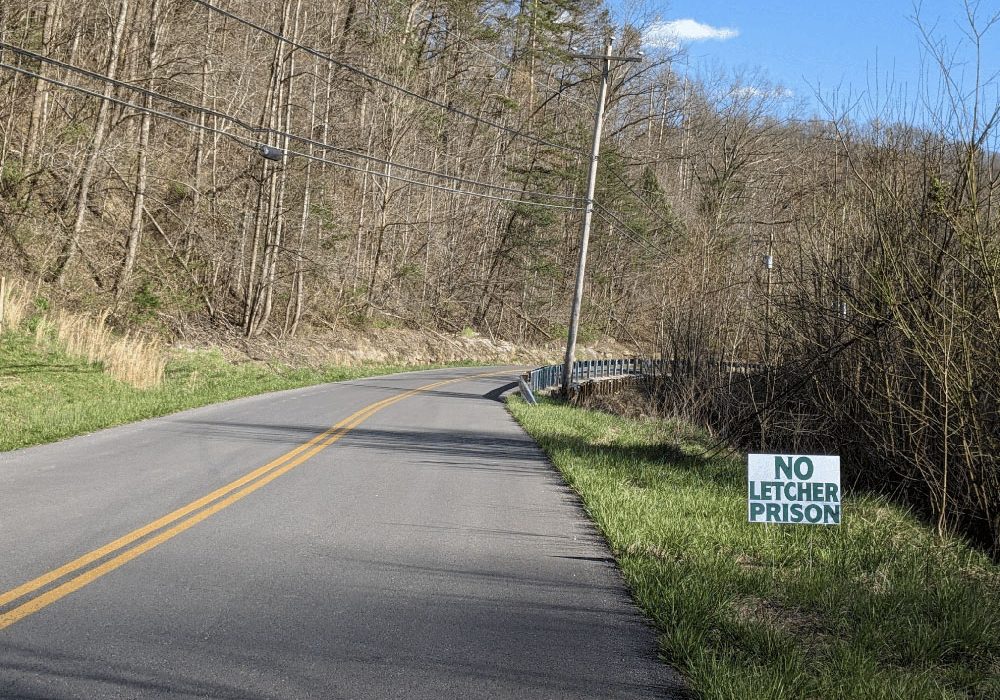
A $605 million proposal for a federal prison on a former strip mine site in Letcher County, Kentucky, championed by U.S. Rep. Hal Rogers, refuses to die, despite local opposition, a lack of support from the executive branch and numerous other obstacles.

Leave a comment
Your email address will not be published. Required fields are marked *
One response to “Certification for Ethically-Produced Ginseng Launches”
-

i am very interested in these programs and would like more information. I own 400 acres in NE PA and am working to utilize my woodlands better.

Leave a Comment