

Ready for the Next Big Storm? A Practical Guide to Household Preparedness
Did you experience outages or other challenges from Hurricane Helene? Just want to feel more prepared for the next extreme weather event? Every home faces different risks depending on its structure, who lives there, its location and the local climate. But no matter your situation, you can still be prepared. Follow these simple tips to make your home safer and more resilient in the face of natural disasters or emergencies.
General household preparedness checklist
- Do you have the right insurance (homeowners, flood, wildfire, etc.)?
- Do you have a basic emergency supply kit to cover at least 72 hours (important documents, potable water, nonperishable food, essential medications, a flashlight, personal necessities, etc.)?
- Do you know how to escape the home during an emergency (fire escapes, window exits, etc.) and the locations of your nearest urgent care, hospital, fire station and police station?
- Have you signed up for local weather-monitoring alerts?
- Do you have a battery-powered or hand-cranked emergency weather radio in case your cell phone doesn’t work?
Know your specific weather and climate risks
From wildfires to flooding, it’s important to know what the most common natural hazards are where you live, so you can prepare effectively. To determine your risk, use credible resources, such as FEMA’s Flood Map Service Center or Resilience Analysis and Planning Tool. Here are a few tips:
- Keep water away from your basement or foundation with smart landscaping that can direct it away from your home.
- Clean leaves and other debris from your gutters at least twice a year.
- Remove highly flammable vegetation — anything dead or very dry and dying — and unhealthy trees against or near your home.
- Cut down tree branches that might be hanging over or near your house.
- Install storm doors or windows — they can also reduce heating and cooling costs!
Prepare for power outages
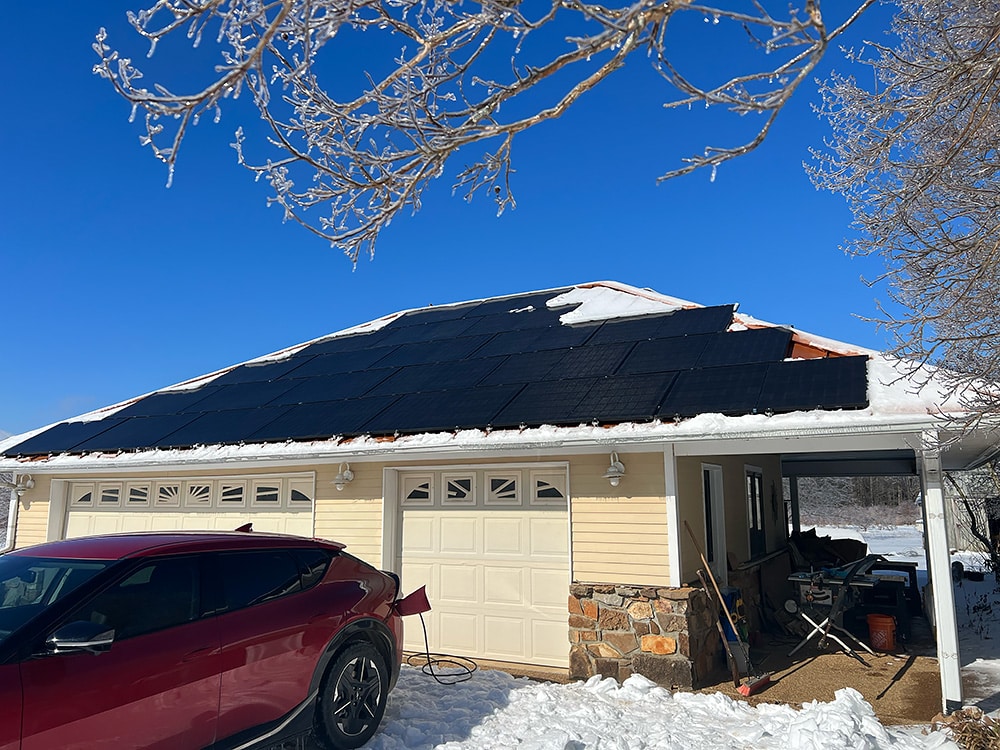
In the event of a power outage, it’s important to have backup systems and tools in place. Having a gasoline, propane or solar-powered generator on hand can help keep essential appliances running or mobile devices charged for emergencies. Make sure you know how to safely operate your generator before an emergency strikes. If you are able, consider installing solar power with battery energy storage that can keep you online even when the grid goes down.
Other home upgrades
Extreme heat and cold are also worth preparing for. Consider conducting a DIY or professional home energy assessment to not only find ways to save money on your utility bills each month but also to stay safe during extreme weather conditions. Here are a few tips to consider:
- Locate and seal air leaks.
- Inspect insulation levels in your attic and basement.
- Upgrade to energy-efficient appliances and electronics.
Climate change is causing heavier precipitation, longer droughts and other extreme weather events, putting our communities at increasing risk. While we can’t prevent the next storm, hopefully these steps can help you to feel more prepared.
Related Articles
Latest News
More Stories

Halloween Approaches, and Night School Is in Session
The House of Art in Bluefield, West Virginia, looks like a haunted tower, making it the perfect location for its sixth annual haunt event: Night School. The Night School will be open every Friday and Saturday night through Oct. 31.
‘The Most Perfect Act of Love’
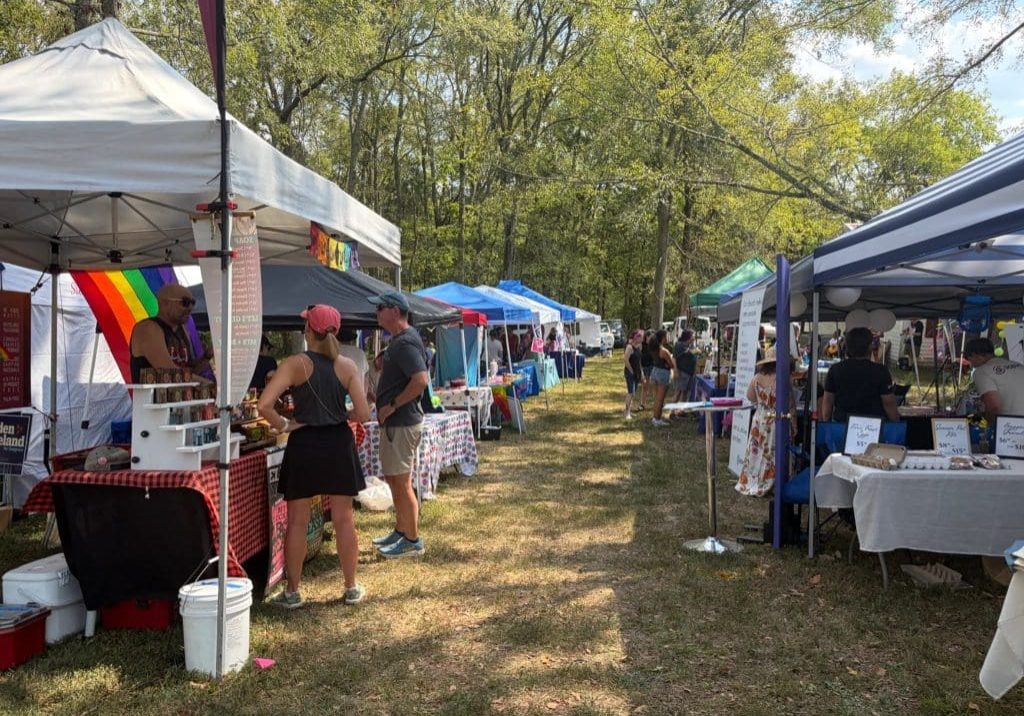
After losing its rural pride celebration, hundreds of people attended the second annual Affirming Sumner Pride celebration on a 24-acre farm dubbed “Fruity Farm” in Bethpage, Sumner County, Tennessee.

Signs of Life
In the Nantahala National Forest, a team of biologists spotted Indiana bats, an endangered species that hasn’t been seen in North Carolina for the last 11 years.

‘First Line of Defense’
During Hurricane Helene and its aftermath, rural fire departments and other first responder hubs played critical roles in keeping their communities safe, even without power and cut off from outside support for days or weeks after the storm. Two years later, plenty of work remains to ensure these hubs have the resources they need to operate day to day and be ready when emergencies or natural disasters strike.

The Rocky Road — and Bridge — to Recovery
Hurricane Helene is estimated to have damaged nearly 7,000 private roads and bridges in Western North Carolina. Two years later, many restoration projects are complete, but the journey hasn’t been easy — and isn’t over for others.
After 20 Years, Letcher County Prison Proposal Is Still Alive, Though Obstacles Remain
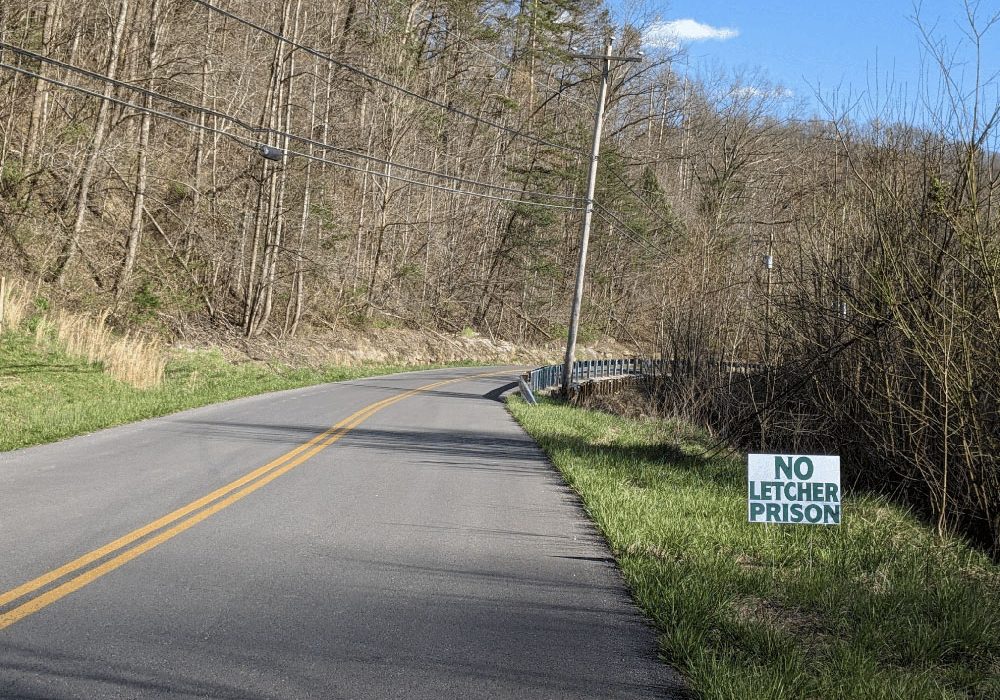
A $605 million proposal for a federal prison on a former strip mine site in Letcher County, Kentucky, championed by U.S. Rep. Hal Rogers, refuses to die, despite local opposition, a lack of support from the executive branch and numerous other obstacles.

Leave a comment
Your email address will not be published. Required fields are marked *
Leave a Comment