

Reaping Renewable Rewards
Governments and utilities offer a variety of incentives to assist residents and businesses in the transition to renewable energy. Below is a sampling of federal, utility and state policies. Find more clean energy and energy savings incentives at dsireusa.org.
Federal
Residential Renewable Energy Tax Credit
Technologies Eligible: Various solar systems, wind, geothermal heat pumps, fuel cells
Amount: 30% and no maximum on systems in service after 2008 (except certain fuel cells), excess carryovers to next tax year generally allowed

- Raising the Standard: State Laws and our Clean Energy Future
- Democratizing the Grid: Community-owned Renewable Energy
- Bio-energy Creates a Mass of Questions
- Beyond Renewable: The Cutting Edge in Energy
- A Guide to Clean Energy Incentives

Residential Energy Conservation Subsidy Exclusion
Renewables Eligible: Solar hot water, solar space heat, photovoltaics
Details: Homeowners who receive subsidies from public utilities for installing eligible renewables are not taxed on the subsidy payment
Participating Tennessee Valley Authority Partner Utilities
Green Power Providers
Technologies Eligible: Photovoltaics, wind, biomass, small hydroelectric
Amount: $1,000 upon installation; years 1-10: retail electric rate and premium payment; years 11-20: retail electric rate.
Note: TVA has already approved enough applications to meet its goals for 2013.
Energy Right Heat Pump Loan Program
Technologies Eligible: Geothermal heat pumps
Amount: Up to $10,000 for single units, up to $12,500 for multiple or advanced units; rate of 6% – 8% and repayment up to 10 years through a third party lender
By State
KY: Solar Water Heater Loan Program
Technologies Eligible: Solar water heat
Amount: 100% of equipment and installation cost; flexible rates and terms available [Program of Mountain Association for Community Economic Development]
KY: Renewable Energy Tax Credit
Technologies Eligible: Various solar electric, solar hot water and solar space heat systems; wind, geothermal heat pumps
Amount: Photovoltaics, $3/watt; all other systems, 30% of eligible costs. Maximum incentive is $500 for solar and wind; $250 for geothermal
NC: GreenPower Production Incentive
Technologies Eligible: Photovoltaics, landfill gas, wind, biomass, hydroelectric, methane, anaerobic digestion
Amount: Incentive payments vary depending on renewable used
NC: Renewable Energy Tax Credit
Technologies Eligible: Various solar electric, solar hot water and solar space heat systems; landfill gas, wind, biomass, geothermal, anaerobic digestion, small hydroelectric, ethanol, biodiesel and more
Amount: 35% with a maximum incentive between $1,400 $10,500 depending on technology
TN: Green Energy Property Tax Assessment
Technologies Eligible: Photovoltaics, wind, geothermal electric, hydrogen
Amount: Varies depending on renewable used
VA: Property Tax Exemption for Solar (Local)
Technologies eligible: Various solar electric, solar hot water and solar space heat systems
Amount: Varies by location; offered in select counties
Related Articles
Latest News
More Stories

Halloween Approaches, and Night School Is in Session
The House of Art in Bluefield, West Virginia, looks like a haunted tower, making it the perfect location for its sixth annual haunt event: Night School. The Night School will be open every Friday and Saturday night through Oct. 31.
‘The Most Perfect Act of Love’
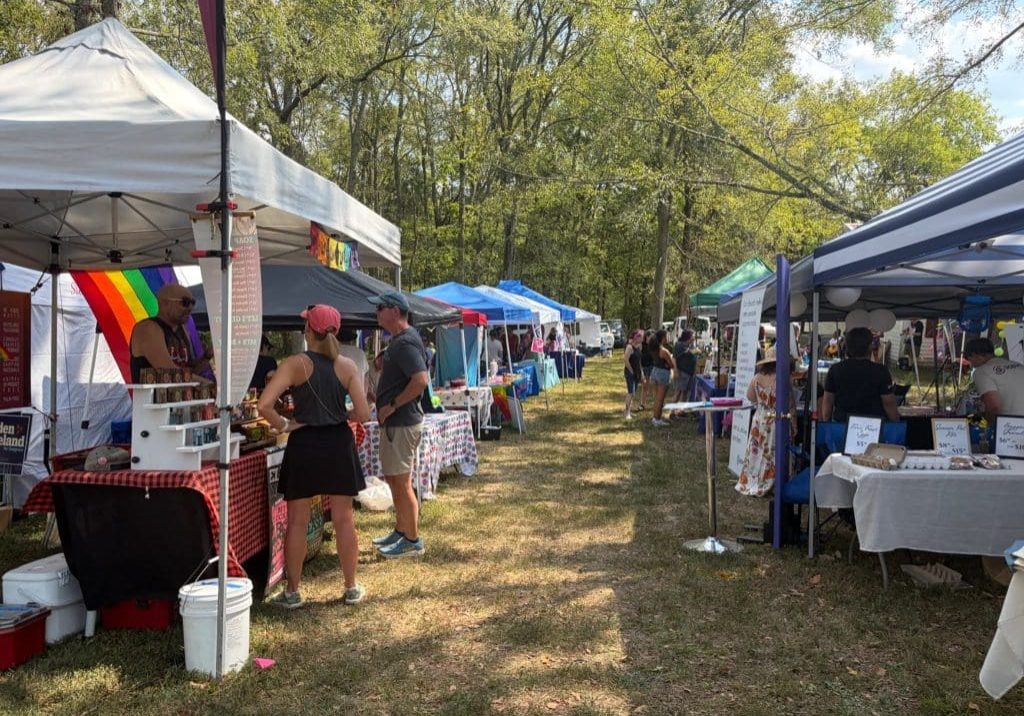
After losing its rural pride celebration, hundreds of people attended the second annual Affirming Sumner Pride celebration on a 24-acre farm dubbed “Fruity Farm” in Bethpage, Sumner County, Tennessee.

Signs of Life
In the Nantahala National Forest, a team of biologists spotted Indiana bats, an endangered species that hasn’t been seen in North Carolina for the last 11 years.

‘First Line of Defense’
During Hurricane Helene and its aftermath, rural fire departments and other first responder hubs played critical roles in keeping their communities safe, even without power and cut off from outside support for days or weeks after the storm. Two years later, plenty of work remains to ensure these hubs have the resources they need to operate day to day and be ready when emergencies or natural disasters strike.

The Rocky Road — and Bridge — to Recovery
Hurricane Helene is estimated to have damaged nearly 7,000 private roads and bridges in Western North Carolina. Two years later, many restoration projects are complete, but the journey hasn’t been easy — and isn’t over for others.
After 20 Years, Letcher County Prison Proposal Is Still Alive, Though Obstacles Remain
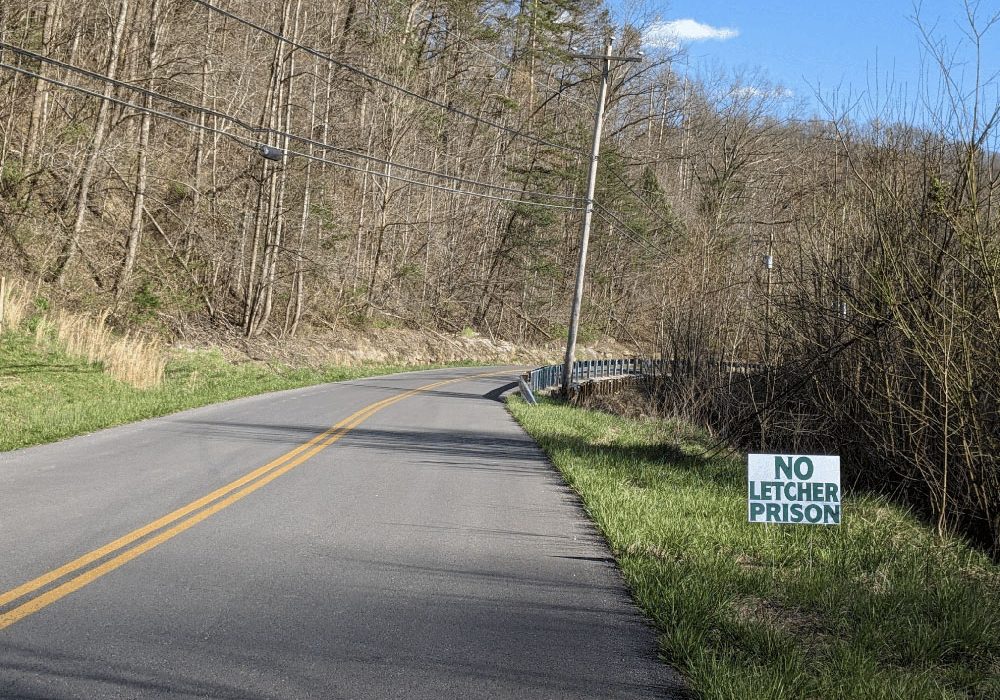
A $605 million proposal for a federal prison on a former strip mine site in Letcher County, Kentucky, championed by U.S. Rep. Hal Rogers, refuses to die, despite local opposition, a lack of support from the executive branch and numerous other obstacles.

Leave a comment
Your email address will not be published. Required fields are marked *
Leave a Comment