
Bills on the Hill
A Look at Environmental Happenings in Congress
The Good
Mine and Workplace Safety and Health Act ( S. 805 / H.R. 1373): Introduced for the fourth time by Sen. Jay Rockefeller (D-W.Va.) since 29 miners were killed in the 2010 Upper Big Branch disaster, the Coal Mine Safety Act addresses a long list of safety concerns by strengthening whistleblower protections and increasing criminal penalties for safety violations. Referred to the Committee on Health, Education, Labor, and Pensions
Energy Savings and Industrial Competitiveness Act (S. 761 / H.R. 1616): Rep. David McKinley (R-W.Va.) introduced this measure to promote economic stimulation through energy efficiency technology. The bill includes provisions such as workforce training, the creation of Supply Star to make supply chains more efficient, and requirements for the federal government — the largest user of energy — to adopt energy efficiency strategies. Currently in the House Committee on Energy and Commerce.
Rural Energy Savings Program: Housed in sections 6202 and 6407 of the 2013 Farm Bill (S. 10), this program aims to stimulate rural economic growth by expanding energy efficiency and would allow individual electric cooperatives or state-based groups of co-ops to seek U.S. Department of Agriculture funding for local energy efficiency programs. Identical legislation passed the Senate in the 112th Congress.
The Bad
EPA Fair Play Act (S. 830): Introduced by Sen. Joe Manchin (D-W.Va.), this bill would eliminate the U.S. Environmental Protection Agency’s ability under the Clean Water Act to stop permits for valley fills associated with mountaintop removal coal mines. Rep. David McKinley (R.-W.Va.) has introduced similar legislation in the House. Currently in the Senate Committee on Environment and Public Works.
Coal Jobs Protection Act (S. 861 and H.R. 1829): Sen. Mitch McConnell (R-Ky.) and Rep. Shelley Moore Capito (R-W.Va.) introduced companion bills that would curtail the EPA’s oversight of mountaintop removal waste disposal as written under the Clean Water Act. The legislation limit the agency’s authority over the disposal of mining waste into Appalachian streams to only 60 days after the mining company requests a permit. Referred to the Committee on Environment and Public Works.
Clean Water Cooperative Federalism Act (H.R. 1948): Re-introduced by Rep. John Mica (R.-Fl.), this bill, also known as the “Dirty Water Act,” would remove the EPA’s authority to ensure that states effectively implement water quality standards, and eliminate the agency’s ability to improve those standards when the states fail to protect clean water. Referred to the Subcommittee on Water Resources and Environment.
The Farm Bill: Roughly every five years Congress passes a set of agriculture, conservation, forestry and energy legislation known as the Farm Bill. The 2013 versions of the bill passed by both House and Senate agriculture committees in May would end $5 billion in annual direct subsidies to farmers, and increase crop insurance programs by $9 billion. Changes are also in store for the federal food assistance program, with the House version cutting $20 billion and the Senate bill eliminating $4.1 billion from the program. Both bills also include provisions to protect the sale of genetically modified seeds, regardless of whether the U.S. Department of Agriculture finds that they are unsafe for human consumption. A section of the Senate version would boost energy efficiency in rural areas (see below), and fund biofuels research and development. Both versions of the 2013 bill are scheduled for full votes in June.
Related Articles
Latest News
More Stories

Halloween Approaches, and Night School Is in Session
The House of Art in Bluefield, West Virginia, looks like a haunted tower, making it the perfect location for its sixth annual haunt event: Night School. The Night School will be open every Friday and Saturday night through Oct. 31.
‘The Most Perfect Act of Love’
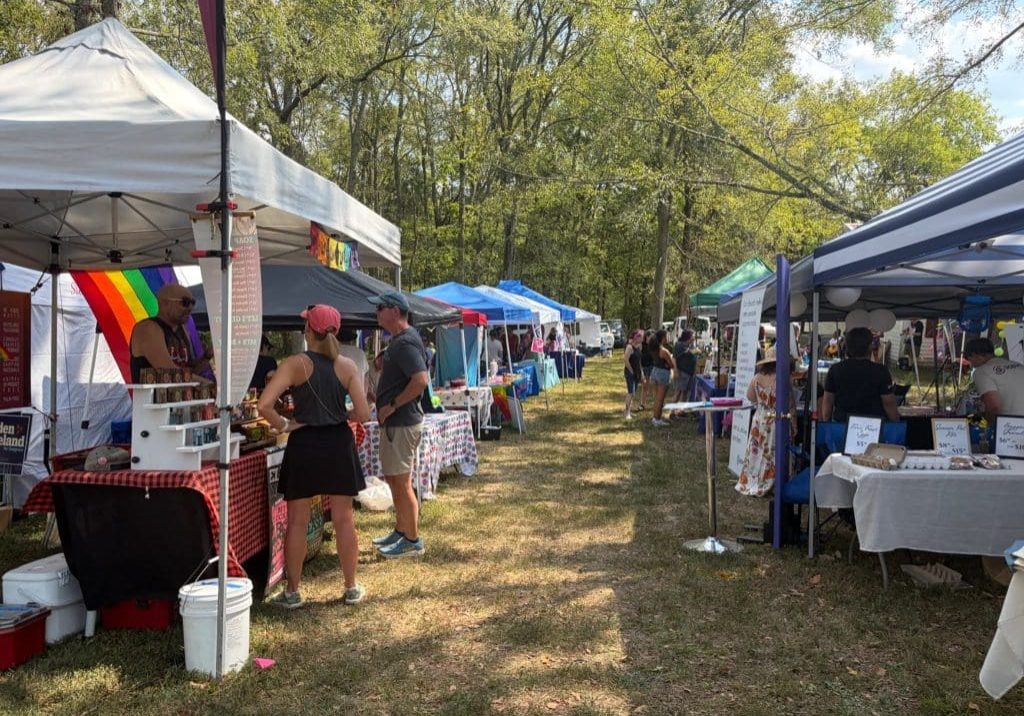
After losing its rural pride celebration, hundreds of people attended the second annual Affirming Sumner Pride celebration on a 24-acre farm dubbed “Fruity Farm” in Bethpage, Sumner County, Tennessee.
Signs of Life
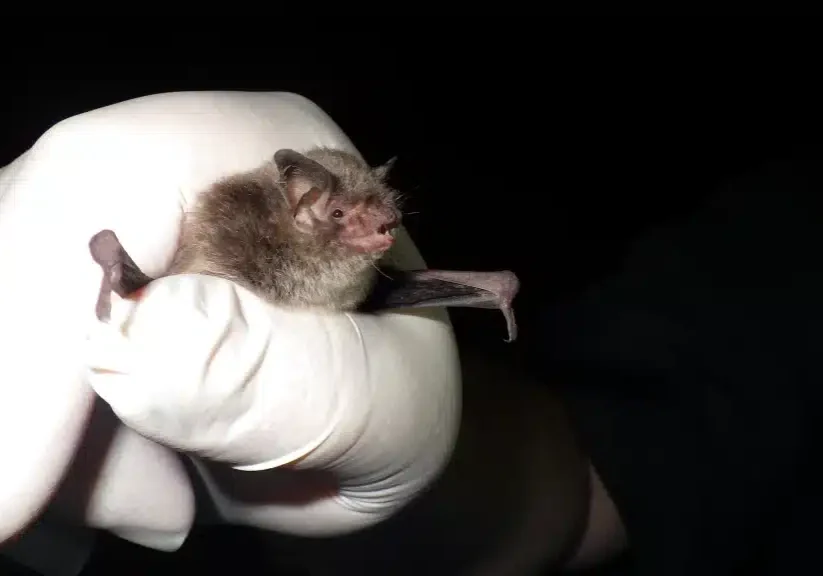
In the Nantahala National Forest, a team of biologists spotted Indiana bats, an endangered species that hasn’t been seen in North Carolina for the last 11 years.

‘First Line of Defense’
During Hurricane Helene and its aftermath, rural fire departments and other first responder hubs played critical roles in keeping their communities safe, even without power and cut off from outside support for days or weeks after the storm. Two years later, plenty of work remains to ensure these hubs have the resources they need to operate day to day and be ready when emergencies or natural disasters strike.
The Rocky Road — and Bridge — to Recovery
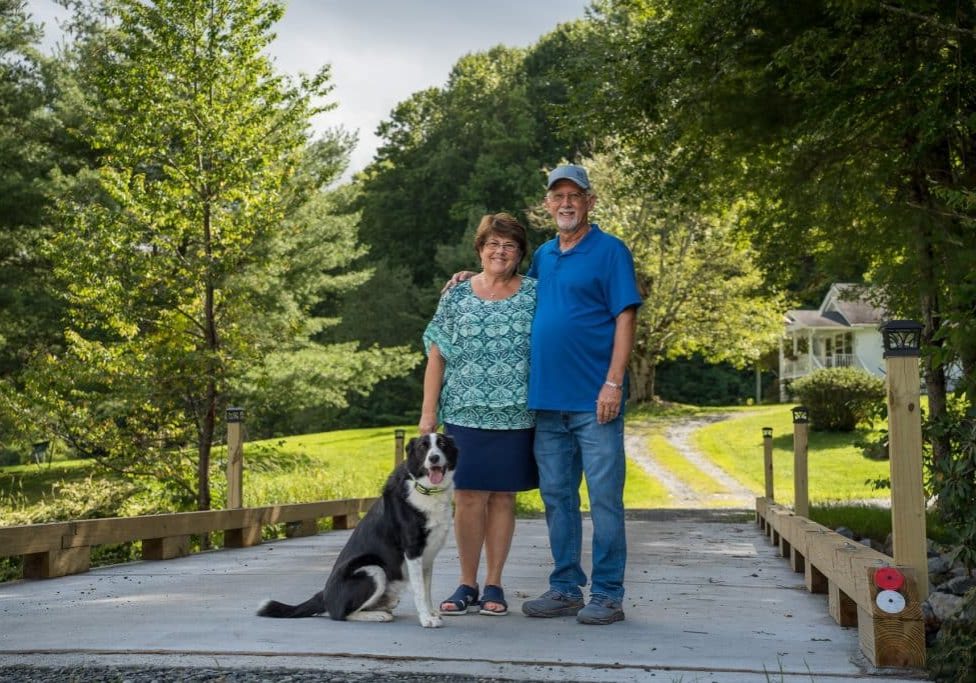
Hurricane Helene is estimated to have damaged nearly 7,000 private roads and bridges in Western North Carolina. Two years later, many restoration projects are complete, but the journey hasn’t been easy — and isn’t over for others.
After 20 Years, Letcher County Prison Proposal Is Still Alive, Though Obstacles Remain
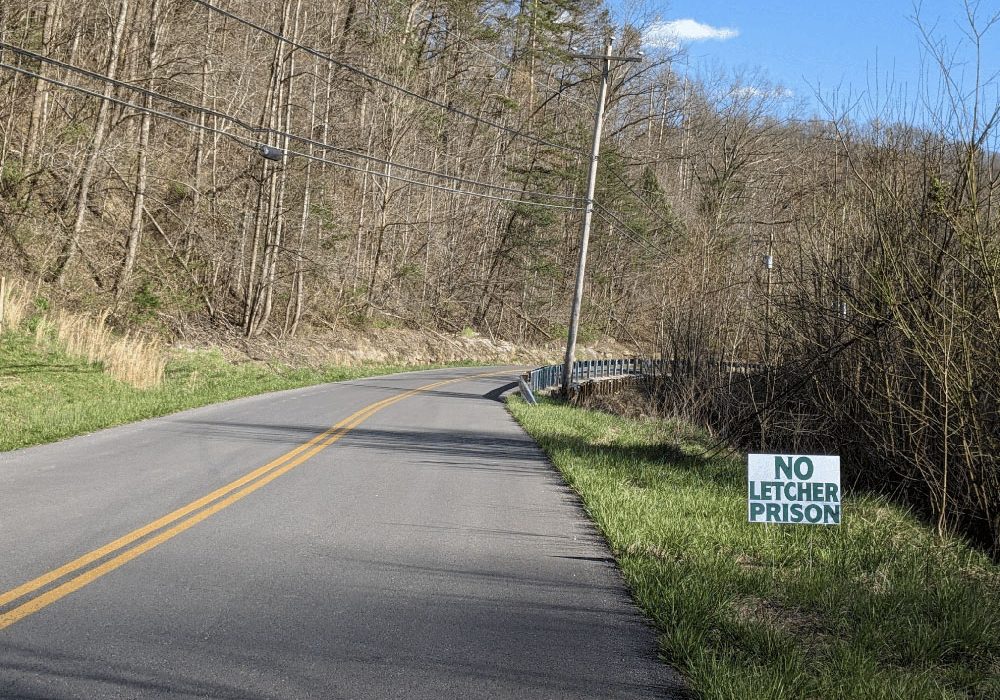
A $605 million proposal for a federal prison on a former strip mine site in Letcher County, Kentucky, championed by U.S. Rep. Hal Rogers, refuses to die, despite local opposition, a lack of support from the executive branch and numerous other obstacles.

Leave a comment
Your email address will not be published. Required fields are marked *
Leave a Comment