

Carbon Controversy: EPA Gathers Feedback on Emissions Rules
By Brian Sewell
This fall, public listening sessions held by the U.S. Environmental Protection Agency served as an opportunity to influence future rules to limit carbon dioxide emissions from power plants, the centerpiece of President Obama’s Climate Action Plan.
Comments submitted by citizens and stakeholders, and the large turnouts and media attention at the 11 listening sessions in cities including Atlanta, Chicago and Philadelphia, reflect the high level of public support and condemnation of the EPA.
On Nov. 7, the day of the final listening session, a coalition of environmental groups held a press conference and marched with supporters to EPA headquarters in Washington, D.C., where the session was held.
Since the scheduled cities were announced, Appalachian legislators and members of the media criticized the EPA for not scheduling listening sessions closer to Appalachia — a region crucial to the debate surrounding the administration’s plans to cut carbon.
On the Charleston Gazette blog “Coal Tattoo,” Ken Ward Jr. reminded readers that when previous EPA administrator Lisa Jackson announced curbs on mountaintop removal permitting, she promised that federal agencies would coordinate with state and local entities to help “diversify and strengthen the Appalachian regional economy and promote the health and welfare of Appalachian communities.”
A listening session with EPA “would give coalfield residents a chance to ask EPA what they’ve done in this regard,” Ward wrote, and could offer the agency a chance to learn that “not everyone in the state is totally against doing something about climate change or trying to work toward more clean energy.”
“The Obama administration cannot create a responsible 21st-century energy and climate policy that overlooks the ongoing exploitation of mountain communities by coal and gas companies,” says Thom Kay, legislative associate with Appalachian Voices, the publisher of The Appalachian Voice.
“Allowing coal plants, the single largest source of carbon pollution in our country, to dump billions of tons of carbon dioxide into our atmosphere every year is an unmitigated disaster,” Kay says. “The question is not whether the EPA should be placing limits on carbon pollution from power plants — they are legally obligated to. The question is, why aren’t they already?”
In 2007, a Supreme Court majority decided that greenhouse gases fit well within the Clean Air Act’s definition of an air pollutant, giving the EPA the authority and the obligation to regulate emissions. In June 2012, a federal appeals court upheld that decision and dismissed industry arguments that the scientific evidence for climate change was unsupported.
The EPA will seek additional public input during a comment period once it announces guidelines for existing plants in June 2014. Those rules must be finalized by June 2015.
Manchin Moves to Thwart Climate Action
While the EPA hears from the public on rules for existing coal-fired power plants, some members of Congress are focused on the agency’s more immediate plan to regulate carbon from new plants. A draft bill circulated by Sen. Joe Manchin, D-W.Va., and Rep. Ed Whitfield, R-Ky., would allow power plants to continue dumping unlimited amounts of carbon pollution into the air.
Manchin claims that his proposal will still combat climate change, but would remove the EPA’s ability to set limits on carbon pollution and leave that up to Congress. Rules for existing coal plants would be designed around what Manchin called “commercially feasible” technologies.
A letter signed by 42 groups including Appalachian Voices states that Manchin’s proposal raises a series of impossible barriers for the EPA, and shows that Manchin and Whitfield either “do not believe in climate change, or they do not care about its impacts.”
Under the proposal for new plants released by the EPA in September, coal-fired units would need to meet a limit of 1,100 pounds of carbon dioxide per megawatt-hour, far less than the average for U.S. coal plants, which is 1,768 pounds per megawatt-hour.
According to the EPA, however, the proposed standards are in line with investments in clean energy technologies that are already being made in the power industry. The EPA says that the rule will “reduce regulatory uncertainty by defining requirements for emission limits for greenhouse gases” and that the agency “intends this rule to send a clear signal about the current and future status of [carbon capture and storage] technology.”
David Hawkins, the director of climate programs with the Natural Resources Defense Council, testified in opposition to Manchin’s proposal, which environmental groups call the “Polluter Protection Act.” Beyond being a major weakening of the Clean Air Act, Hawkins said the proposal would destroy utilities’ incentives to invest in emissions-reducing technologies.
The Energy and Commerce Committee’s top Democrat, Rep. Henry Waxman, D-Calif., agreed with Hawkins during a subcommittee hearing on the proposal. Waxman cited common technologies such as power plant scrubbers that cut sulfur dioxide emissions, which industry supporters once said were impossible, and pointed out that “Almost every time the EPA proposes a significant new requirement, industry tells us it can’t be done.”
Related Articles
Latest News
More Stories

Signs of Life
In the Nantahala National Forest, a team of biologists spotted Indiana bats, an endangered species that hasn’t been seen in North Carolina for the last 11 years.

‘First Line of Defense’
During Hurricane Helene and its aftermath, rural fire departments and other first responder hubs played critical roles in keeping their communities safe, even without power and cut off from outside support for days or weeks after the storm. Two years later, plenty of work remains to ensure these hubs have the resources they need to operate day to day and be ready when emergencies or natural disasters strike.

The Rocky Road — and Bridge — to Recovery
Hurricane Helene is estimated to have damaged nearly 7,000 private roads and bridges in Western North Carolina. Two years later, many restoration projects are complete, but the journey hasn’t been easy — and isn’t over for others.
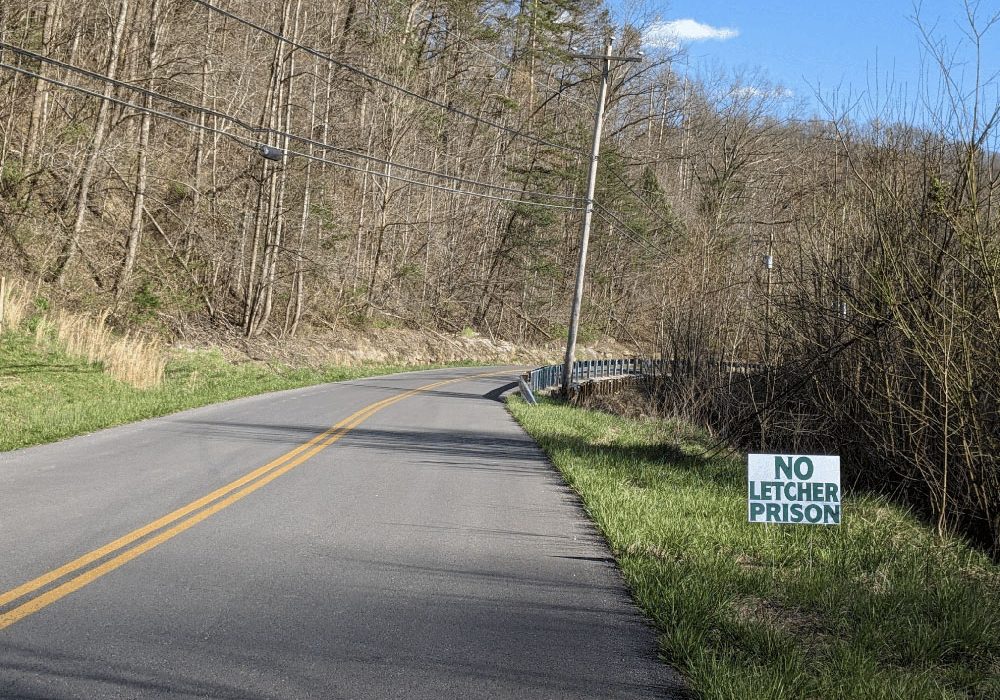
After 20 Years, Letcher County Prison Proposal Is Still Alive, Though Obstacles Remain
A $605 million proposal for a federal prison on a former strip mine site in Letcher County, Kentucky, championed by U.S. Rep. Hal Rogers, refuses to die, despite local opposition, a lack of support from the executive branch and numerous other obstacles.
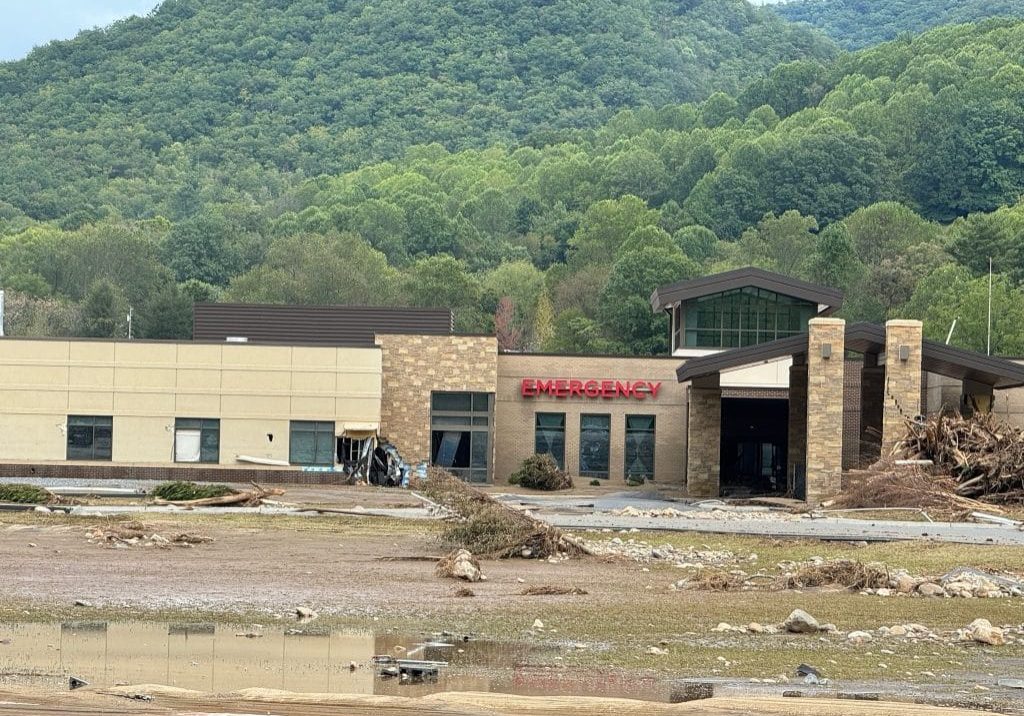
The Washout and Rebuild
For nearly two years, residents of Unicoi County, Tennessee, have had to make do without a hospital after Hurricane Helene destroyed the rural hospital. Ballad Health, which owns the hospital, broke ground on a new location — in another floodplain — in August 2026.

The Shenandoah Salamander
The Shenandoah salamander is a woodland salamander, which has adapted to life at higher elevations away from water. This sparkling rarity lives among the dry leaves, cracked logs, and stony hillocks on the highest peaks of Shenandoah National Park.

Leave a comment
Your email address will not be published. Required fields are marked *
Leave a Comment