
Posts Tagged ‘Coal Ash’
In the Neighborhood: Living with Coal Ash
By Sandra Diaz Tracey Edwards, a lifelong resident of Stokes County, resides within three miles of the coal-fired Belews Creek Steam Station, and is concerned about the coal ash the plant generates. As a child growing up in the mostly African-American neighborhood of Walnut Tree, Edwards played outside and ate from neighborhood apple and cherry…
Read MoreContaminated Drinking Wells Near Ash Ponds
As of July, the N.C. health department sent “do not drink” notices to 301 homeowners near coal ash ponds whose well water contains dangerous levels of heavy metals and other contaminants associated with coal ash.
Read MoreStatewide Alliance Forms to Address Coal Ash in N.C.
On Saturday, July 25, Appalachian Voices and several of our partner organizations facilitated the first statewide gathering of North Carolina communities impacted by coal ash.
Read More“It’s just vitamins!” Industry confuses residents on coal ash safety
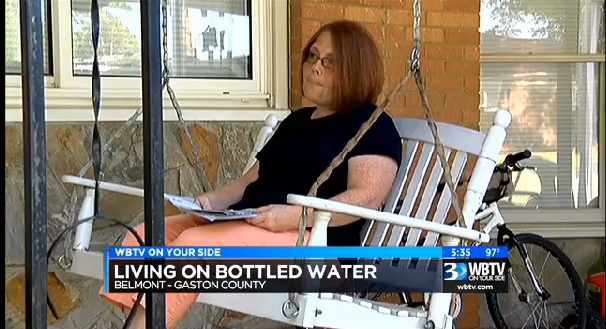
Duke Energy and the N.C. Department of Environment and Natural Resources continue to confound and confuse families that have the unfortunate luck of living in close proximity to the utility’s coal ash lagoons. So citizens and county officials are stepping in to help residents air their frustrations and, hopefully, to receive some answers.
Read MoreDuke expands coal ash cleanup, but leaves N.C. communities in danger
 Duke Energy announced it plans to excavate coal ash from ponds at three power plant sites in North Carolina, along with two more at its South Carolina facilities. But the fates of several sites that pose significant threats to drinking water and surrounding communities remain unclear.
Residents Near Duke Ash Ponds Told To Not Drink Their Water
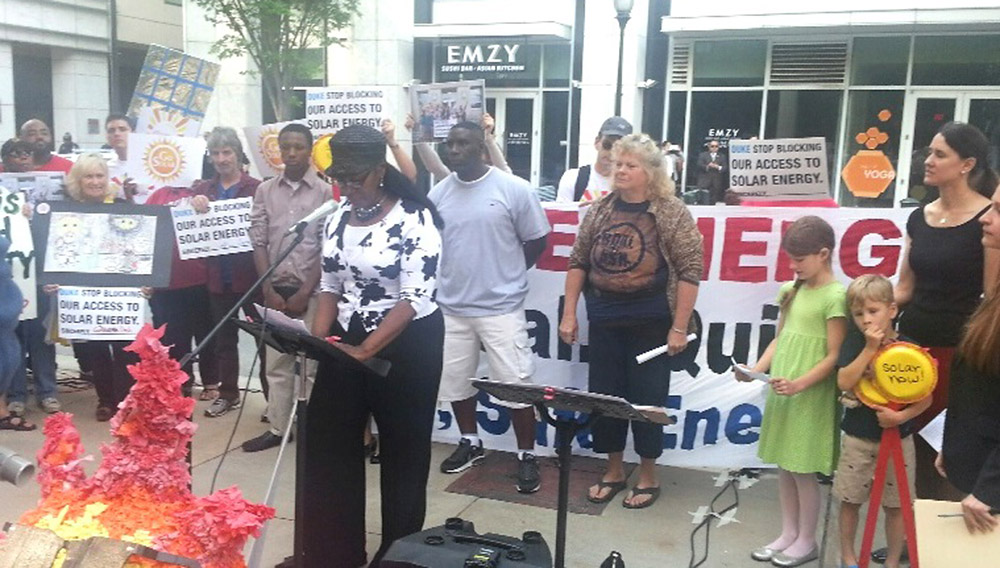
Across North Carolina, residents living near Duke Energy’s coal ash ponds have received letters warning them not to drink their well water. Although Duke denies responsibility for the contamination, the utility recently plead guilty to violations of the Clean Water Act in a separate case.
Read MoreKeep the Clean Water Act going strong

Last week, the U.S. Environmental Protection Agency ended a decade of confusion with the release of a long-awaited Clean Water Rule, which clarifies the scope of waters that are protected under the Clean Water Act. As the EPA pursues updates to the “effluent limitation guidelines,” we hope the Obama administration ready to continue the trend of strengthening and modernizing the Clean Water Act.
Read MoreSolidarity in the Tar Heel State
 The communities near Duke Energy’s Belews Creek power plant and coal-ash dump in North Carolina have suffered a long time from water pollution. Now the state is poised to allow the natural gas industry to drill fracking wells nearby. Citizens are saying “enough.” The NAACP announced a civil rights investigation at a recent press conference and took its protest to the state capitol at a “Moral Monday” rally. Appalachian Voices is standing in solidarity with these champions for environmental justice.
Duke Energy to close aging Asheville coal plant
 Duke Energy announced plans today to retire its polluting, uneconomical Asheville coal plant and build a natural gas-fired facility in its place. While the news should be celebrated as progress, it also represents another precarious step along a dangerous road that will prolong our region’s over-reliance on fossil fuels and saddle consumers with long-lived investments in natural gas.
Don’t drink the water
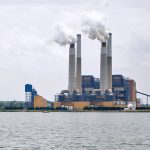
As part of coal ash law enacted in North Carolina last year, Duke Energy is required to test the well water of residents living within 1000 feet of the massive coal ash ponds that dot the state. Now, the first round of water testing results are coming back, giving residents and regulators a clear picture of just how widespread the problem is.