

Hidden Treasures #6: Tennessee
Tennessee Gulf Trail
Martha Sundquist State Forest
(423) 625-4092
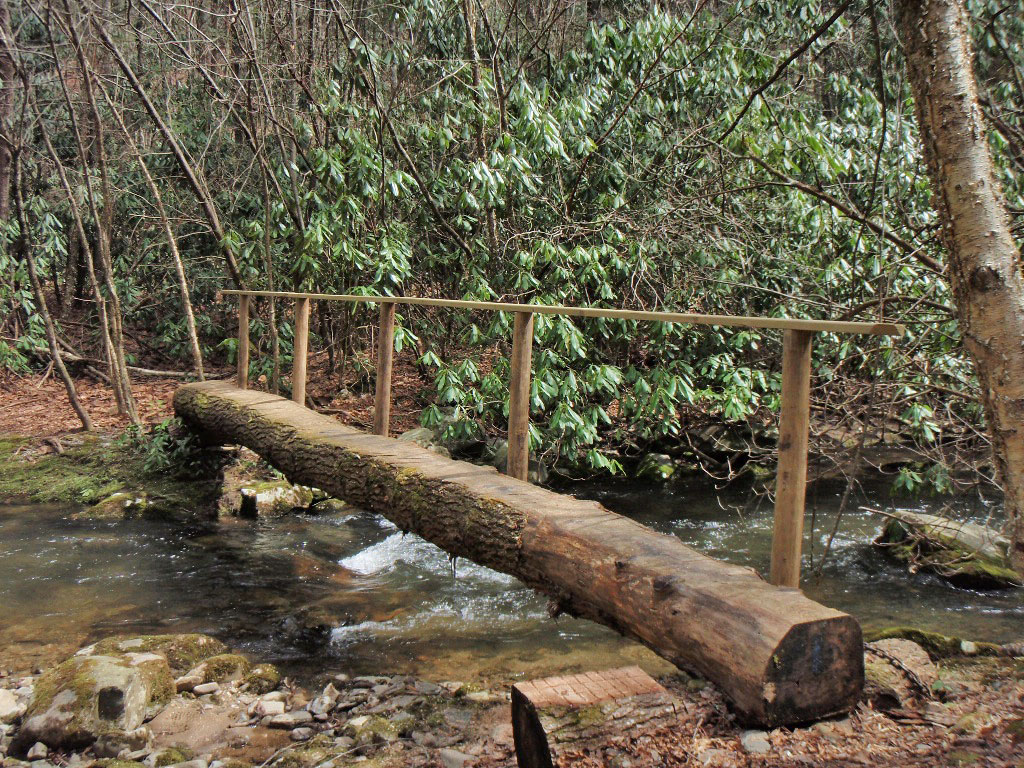
Tennessee Gulf Trail. Martha Sundquist State Forest archives
Martha Sundquist State Forest, which was added to the Tennessee state forest system in 2001, is home to the out-and-back Tennessee Gulf Trail, which is 3.5 miles each way.
The fairly flat Tennessee Gulf Trail offers visitors a pleasant hike through rhododendron and magnolia trees along the Gulf Fork of Big Creek in Cocke County. The trail crosses the Big Creek several times via rustic eastern hemlock bridges, two of which are named for people who were instrumental in the acquisition of the forest and construction of the trail.
Of Tennessee’s 15 state forests, Martha Sundquist is one of the few with a designated hiking trail, a true treasure for the state. In recent years, staff at the Martha Sundquist State Forest and the U.S. Forest Service linked the Tennessee Gulf Trail to the Appalachian Trail near Brown’s Gap. In addition, the state forest is surrounded on three sides by the Cherokee National Forest, making it possible to turn the Tennessee Gulf Trail from a great day hike into much more.
The Tennessee Gulf Trail has an upper and a lower trailhead. Four-wheel drive vehicles are recommended for the lower trailhead, which requires a stream crossing. There are also six primitive campsites in the forest. — By Sara Crouch
Unicoi Turnpike Trail
Cherokee National Forest
(423) 261-2286
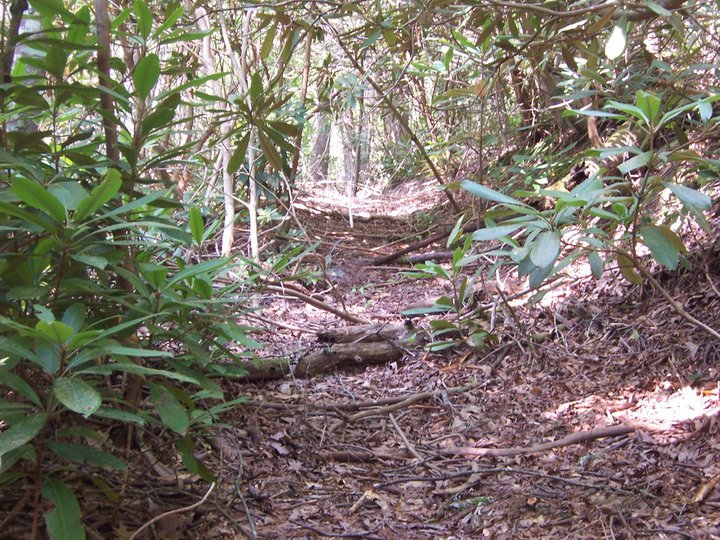
Unicoi Turnpike Trail, Cherokee National Forest. Photo courtesy Wikimedia Commons
The Coker Creek Area of the Cherokee National Forest is home to a section of one of the oldest trails in North America, the Unicoi Turnpike. While much of the approximately 67-mile trail stretching across North Carolina and Tennessee has faded, a 2.5-mile stretch has been restored inside Cherokee National Forest so people can walk in the footsteps of history.
According to the Tennessee Overhill Heritage Association, this road was used by the Cherokee Nation as early as the 1600s, and possibly much earlier. The state commissioned the trail as a commercial turnpike in 1816. It was later used as a portion of the Trail of Tears when the Cherokee Nation was forcibly removed from their homeland.
In 1999, the White House Millennium Council named the Unicoi Turnpike one of 16 National Millennium Trails, which the council described as “trails of national significance.”
To experience and pay respect to the storied and complex history of the Unicoi Turnpike Trail, visit the Coker Creek Welcome Center in Tellico Plains, Tenn., three miles from the trailhead. Inside the welcome center you will find brochures with historical information about the area and opportunities for more outdoor experiences like panning for gold and hiking to Coker Creek Falls. — By Sara Crouch
Related Articles
Latest News
More Stories

Halloween Approaches, and Night School Is in Session
The House of Art in Bluefield, West Virginia, looks like a haunted tower, making it the perfect location for its sixth annual haunt event: Night School. The Night School will be open every Friday and Saturday night through Oct. 31.

‘The Most Perfect Act of Love’
After losing its rural pride celebration, hundreds of people attended the second annual Affirming Sumner Pride celebration on a 24-acre farm dubbed “Fruity Farm” in Bethpage, Sumner County, Tennessee.

Signs of Life
In the Nantahala National Forest, a team of biologists spotted Indiana bats, an endangered species that hasn’t been seen in North Carolina for the last 11 years.

‘First Line of Defense’
During Hurricane Helene and its aftermath, rural fire departments and other first responder hubs played critical roles in keeping their communities safe, even without power and cut off from outside support for days or weeks after the storm. Two years later, plenty of work remains to ensure these hubs have the resources they need to operate day to day and be ready when emergencies or natural disasters strike.

The Rocky Road — and Bridge — to Recovery
Hurricane Helene is estimated to have damaged nearly 7,000 private roads and bridges in Western North Carolina. Two years later, many restoration projects are complete, but the journey hasn’t been easy — and isn’t over for others.
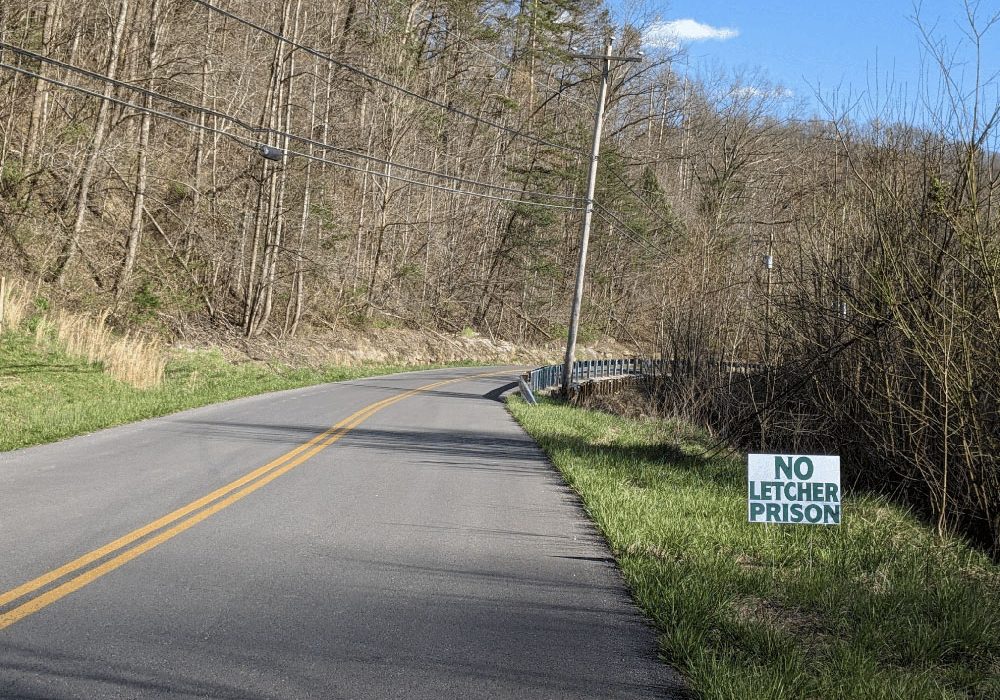
After 20 Years, Letcher County Prison Proposal Is Still Alive, Though Obstacles Remain
A $605 million proposal for a federal prison on a former strip mine site in Letcher County, Kentucky, championed by U.S. Rep. Hal Rogers, refuses to die, despite local opposition, a lack of support from the executive branch and numerous other obstacles.

Leave a comment
Your email address will not be published. Required fields are marked *
Leave a Comment