
The Appalachian Voice
Volunteering in Virginia
New River Valley Bike Kitchen This all-volunteer organization located in Christiansburg supplies cheap, recycled bikes to underprivileged citizens. With 19 percent of the New River Valley population under the poverty line and half of the population living within a 10-mile commute to work, New River Valley Bike Kitchen embarked on a mission to provide a…
Read MoreVolunteering in Tennessee
Birdhouse An open space in Knoxville for sharing art, music and educational programs, Birdhouse functions as a venue for voices otherwise not given much space in the community. This multi-faceted building serves as a community center for do-it-yourself workshops, gardening, and exhibition space for artists, musicians and comedians. Volunteers maintain the space and help with…
Read MoreVolunteering in North Carolina
Stream Monitoring Information Exchange For those interested in a hands-on experience, the Environmental Quality Institute offers training on how to analyze stream-dwelling bugs to determine watershed health in Buncombe, Haywood, Madison, Yancey and Mitchell counties. Volunteers attend six-hour training sessions in the spring and fall to learn about stream ecology and species identification, and participate…
Read MoreVolunteering in Kentucky
Seedleaf In the heart of Lexington, Ky., Seedleaf maintains a total of 14 community gardens. Seedleaf helps to cultivate these spaces, participates in city-wide composting, and offers sustainable cooking and preserving classes to children and adults. Service opportunities are offered weekly, and involve mulching, tree and shrub planting and garden maintenance. All ages. Get involved!…
Read MoreAttempts at Legislation, Regulation Follow Water Threats
By Molly Moore Almost as soon as West Virginia American Water Company ordered 300,000 residents to avoid contact with their tap water, the question arose: why was crude MCHM, a chemical now known to be highly toxic, so poorly understood and regulated? The lack of a clear answer brought national attention to the fact that…
Read MoreNorth Carolina to Set Precedent in Superfund Litigation
By Kimber Ray In January, the Supreme Court agreed to hear arguments in a case that will impact victims of toxic Superfund sites across the country. The Superfund program, created in 1980, is a federal initiative designed to address the nation’s most high-priority hazardous waste sites. Long-term exposure to chemicals and heavy metals migrating from…
Read MoreEnvironmental Summer Camps 2014
By Kelsey Boyajian Would you like to splash in a mountain creek and identify tree frogs? Study marine biology and learn about sea turtles in the sandy dunes of North Carolina? Or go on backpacking, horseback riding and tubing adventures in the foothills of eastern Tennessee? Browse our online listing of summer camp programs for…
Read MoreVolunteering in Appalachia: A Community Effort
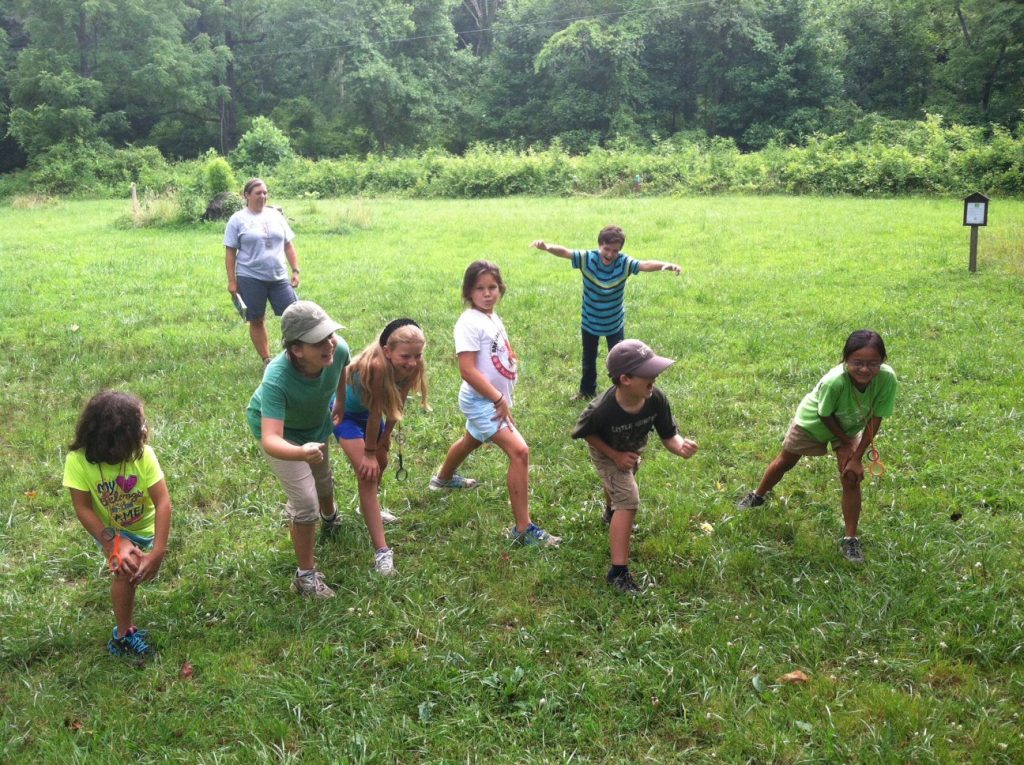
Volunteering in Appalachia: A Community Effort By Kelsey Boyajian, Meredith Warfield and Emmalee Zupo Appalachia’s rich history of community unites this region. Whether it’s neighbors lending a hand in the yard, or a dedicated group joining together to clean up a local river, the tradition of service and volunteering is a way of life. The…
Read MoreAppalachian Coal Companies Face Major Water Pollution Fines
By Brian Sewell In March, two federal enforcement actions against Appalachian coal companies called attention to the pervasive threat of water pollution from mountaintop removal coal mining. First, the U.S. Environmental Protection Agency reached a $27.5 million settlement with Alpha Natural Resources — the largest mountaintop removal mining operator in the U.S. — for violations…
Read MoreWho Has Priority Over Water?
By Matt Wasson, Ph.D. CHARLESTON, W.Va. — What do January’s Kanawha Valley chemical spill, the Exxon Valdez spill and the Deepwater Horizon incident have in common? All were man-made environmental disasters, disrupting the lives of thousands of people, and all cracked open for public view astonishing examples of corporate and regulatory dereliction. What don’t they…
Read More