

By Kimber Ray
In January, the Supreme Court agreed to hear arguments in a case that will impact victims of toxic Superfund sites across the country. The Superfund program, created in 1980, is a federal initiative designed to address the nation’s most high-priority hazardous waste sites. Long-term exposure to chemicals and heavy metals migrating from these sites can cause health effects including cancer, liver and kidney failure, and heart disease.
At issue is the legal deadline to file claims seeking compensation for these health impacts. The Superfund program’s “Discovery Rule” sets a two-year deadline that begins once an impacted resident could reasonably link their illness to the Superfund site. This means that if a resident developed cancer decades after learning they were exposed to toxic waste, they have two years to file a claim. Yet in North Carolina, state law holds that claims can only be filed in the 10 years after the final act of contamination occurred at the site — even if residents were unaware that their health was being affected during this period.
The case now before the Supreme Court concerns a CTS Corporation Superfund site a few miles outside of Asheville, N.C. Because the outcome of the trial will affect claims against the federal government by victims of contamination at a separate Superfund site — Camp Lejeune Marine Corps Base in North Carolina — the U.S. Department of Justice is providing defense in support of CTS.
From 1959 to 1986, the electronic manufacturing plant CTS of Asheville buried massive amounts of toxic waste underground, which infiltrated nearby soil, groundwater and drinking water sources. Although the U.S. Environmental Protection Agency has been aware of high levels of contaminants at the site since 1987, they did not alert the public until proposing the Superfund designation in 2011.
In response, community members filed suit against CTS for diseases allegedly connected to drinking water contaminated by the site. Last July, a federal appeals court ruled in favor of community members, but in January the Supreme Court announced that it would hear an appeal from CTS.
If CTS successfully argues that the deadline for legal claims should be set according to North Carolina limitations rather than federal Superfund limitations, the federal government will no longer be liable for compensating former residents of Camp Lejeune. The case will be reviewed April 23, and a final decision is expected by June.
Related Articles
Latest News
More Stories

Halloween Approaches, and Night School Is in Session
The House of Art in Bluefield, West Virginia, looks like a haunted tower, making it the perfect location for its sixth annual haunt event: Night School. The Night School will be open every Friday and Saturday night through Oct. 31.
‘The Most Perfect Act of Love’
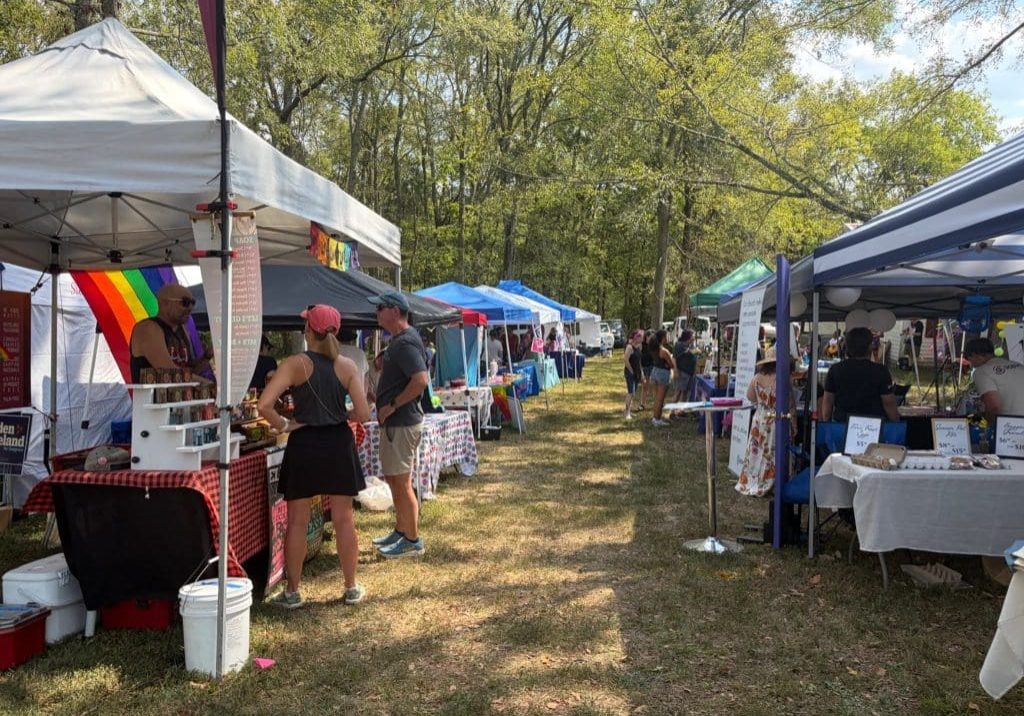
After losing its rural pride celebration, hundreds of people attended the second annual Affirming Sumner Pride celebration on a 24-acre farm dubbed “Fruity Farm” in Bethpage, Sumner County, Tennessee.

Signs of Life
In the Nantahala National Forest, a team of biologists spotted Indiana bats, an endangered species that hasn’t been seen in North Carolina for the last 11 years.

‘First Line of Defense’
During Hurricane Helene and its aftermath, rural fire departments and other first responder hubs played critical roles in keeping their communities safe, even without power and cut off from outside support for days or weeks after the storm. Two years later, plenty of work remains to ensure these hubs have the resources they need to operate day to day and be ready when emergencies or natural disasters strike.

The Rocky Road — and Bridge — to Recovery
Hurricane Helene is estimated to have damaged nearly 7,000 private roads and bridges in Western North Carolina. Two years later, many restoration projects are complete, but the journey hasn’t been easy — and isn’t over for others.
After 20 Years, Letcher County Prison Proposal Is Still Alive, Though Obstacles Remain
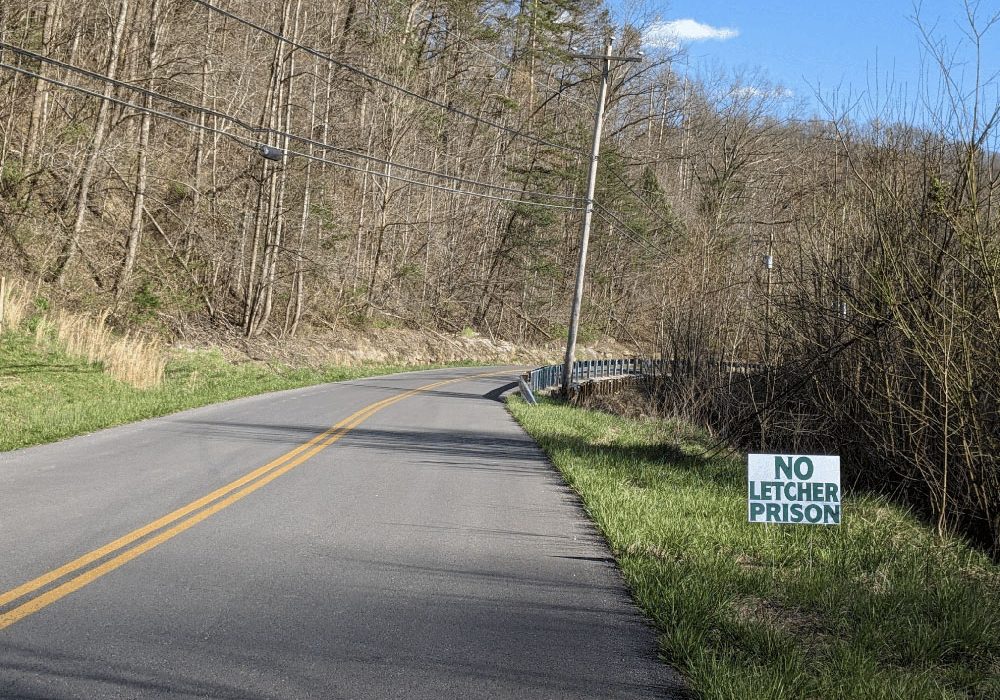
A $605 million proposal for a federal prison on a former strip mine site in Letcher County, Kentucky, championed by U.S. Rep. Hal Rogers, refuses to die, despite local opposition, a lack of support from the executive branch and numerous other obstacles.

Leave a comment
Your email address will not be published. Required fields are marked *
Leave a Comment