

Iowa Electric Co-op Embraces Solar
Since 2008, Eastern Iowa’s Farmers Electric Cooperative has integrated more solar power after seeing the financial benefits it brings to the community.
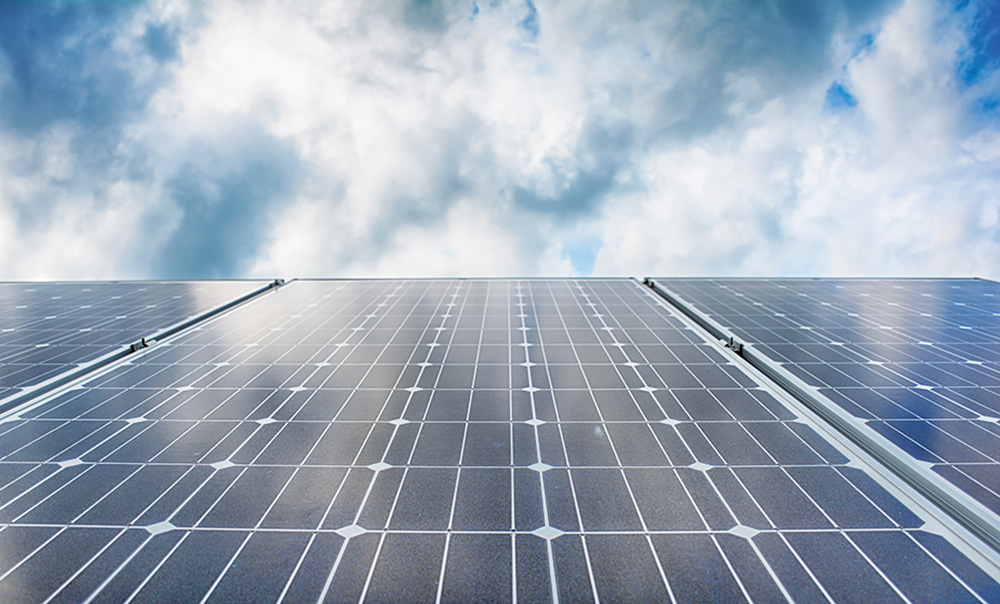
Photo by Jimmy Davidson
Noting the financial opportunities that solar could provide for their rural community, Farmers Electric launched a campaign in 2008 to integrate more solar into its energy mix.
“Our vision was, when we initially started with renewables, not only to reduce power bills but to keep the money in the community,” Warren McKenna, the cooperative’s general manager, told the Institute for Local Self-Reliance, a nonprofit local energy advocacy group. “Solar has allowed us to buy local, from local producers, basically.”
Farmers Electric ensures that solar installations in the community will pay off in short order.
“You can say whatever you want, but if it’s not going to pay within a short amount of time, they’re not going to buy it,” Dick Yoder, local solar advocate and installer, told the Institute for Local Self-Reliance.
A central piece of Farmers’ approach to solar is their feed-in tariff. Members are charged 12.5 cents per kilowatt-hour for all power they purchase from the utility, and solar customers are paid at this rate for any power they generate and send back to the grid, for up to 100 percent of the electricity they consume each month.
For any excess power a solar customer generates beyond their consumption, the rate the co-op pays drops to 6 cents per kilowatt-hour. This ensures that solar customers are not paying extra to consume what they have already put onto the grid, and that the co-op isn’t paying more for power from solar customers than they pay for power from their primary utility.
Farmers Electric also provides solar rebates, school solar installations and solar-powered phone booths often utilized by the area’s Amish and Mennonite farmers.
The co-op also offers several sizable community solar arrays where members without on-site solar can cash in on solar benefits. Subscribers purchase up to 10 panels and receive credits on their bill for the electricity their panels generate.
Solar is now embraced by this small town community. As of 2017, Farmers Electric was generating 3,719 watts of solar power per subscriber, and the co-op aims to generate 25 percent of its total energy with renewables by 2025. —By Kennedy Kavanaugh
Related Articles
Latest News
More Stories

‘First Line of Defense’
During Hurricane Helene and its aftermath, rural fire departments and other first responder hubs played critical roles in keeping their communities safe, even without power and cut off from outside support for days or weeks after the storm. Two years later, plenty of work remains to ensure these hubs have the resources they need to operate day to day and be ready when emergencies or natural disasters strike.

The Rocky Road — and Bridge — to Recovery
Hurricane Helene is estimated to have damaged nearly 7,000 private roads and bridges in Western North Carolina. Two years later, many restoration projects are complete, but the journey hasn’t been easy — and isn’t over for others.
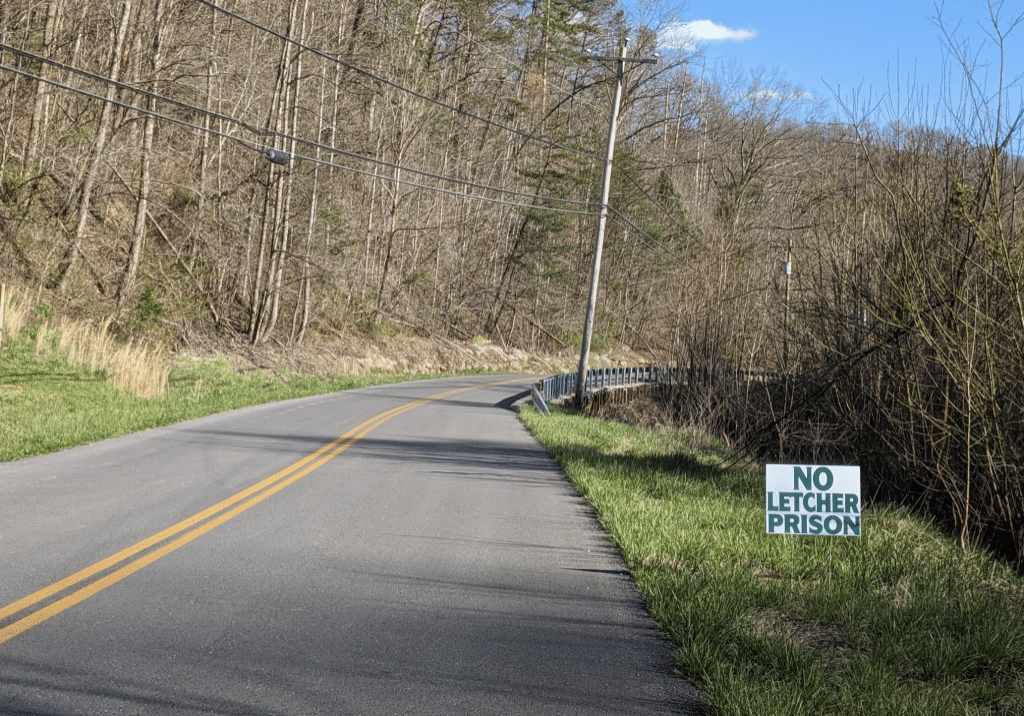
After 20 Years, Letcher County Prison Proposal Is Still Alive, Though Obstacles Remain
A $605 million proposal for a federal prison on a former strip mine site in Letcher County, Kentucky, championed by U.S. Rep. Hal Rogers, refuses to die, despite local opposition, a lack of support from the executive branch and numerous other obstacles.
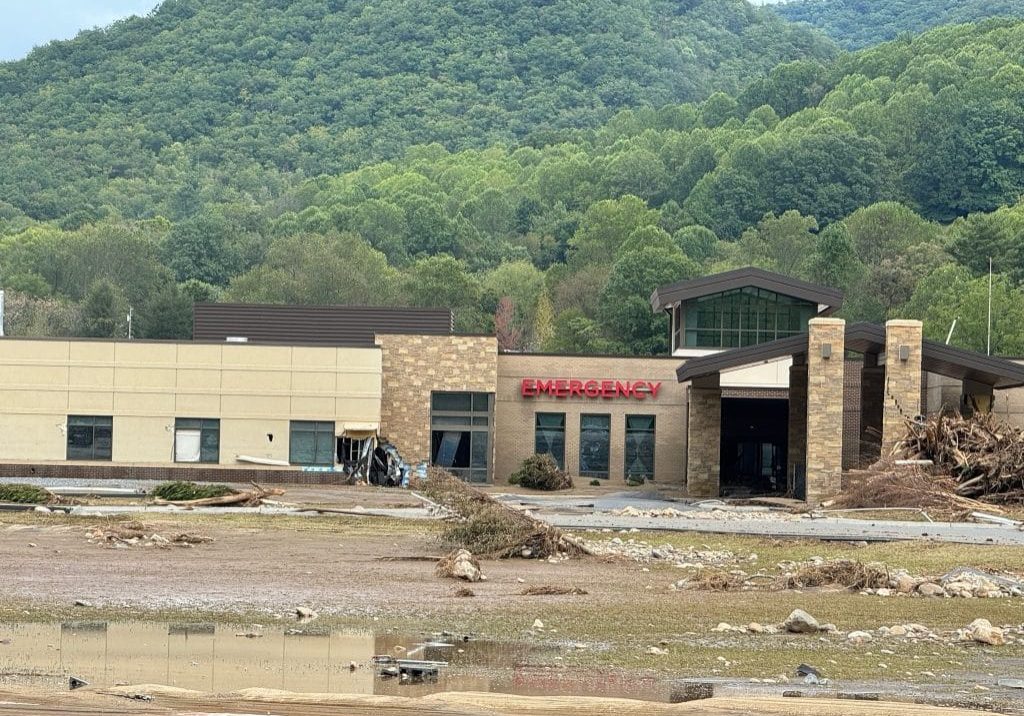
The Washout and Rebuild
For nearly two years, residents of Unicoi County, Tennessee, have had to make do without a hospital after Hurricane Helene destroyed the rural hospital. Ballad Health, which owns the hospital, broke ground on a new location — in another floodplain — in August 2026.

The Shenandoah Salamander
The Shenandoah salamander is a woodland salamander, which has adapted to life at higher elevations away from water. This sparkling rarity lives among the dry leaves, cracked logs, and stony hillocks on the highest peaks of Shenandoah National Park.
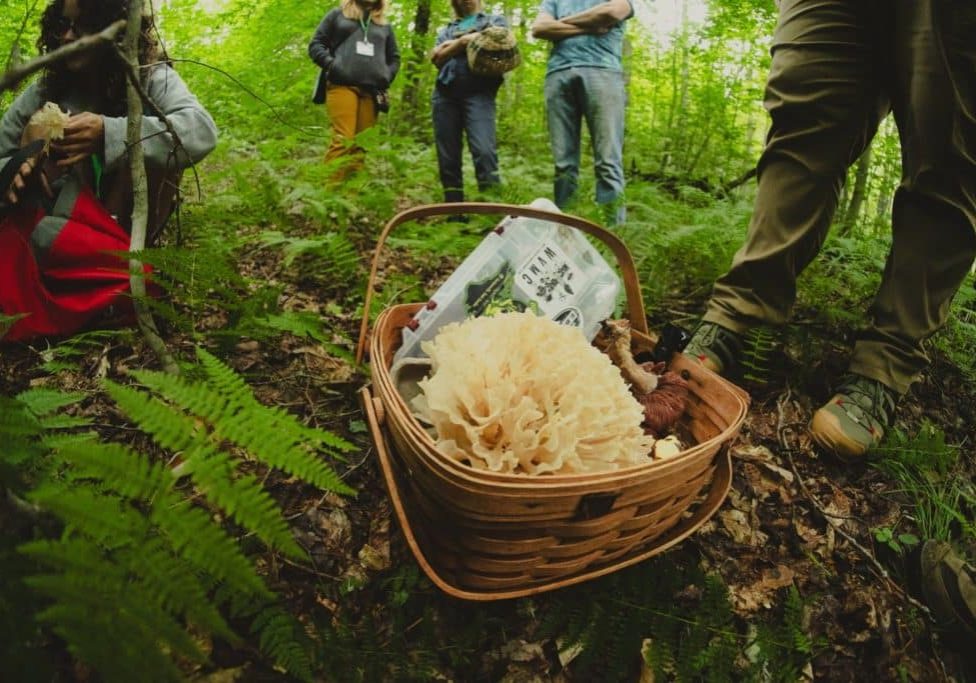
‘Foraging Is a Way of Connecting’
Foraging has experienced a modern resurgence, partly because of social media, online groups, the pandemic and people wanting to connect with nature. It also builds community, whether in person or online.

Leave a comment
Your email address will not be published. Required fields are marked *
Leave a Comment