

Sandhill Cranes: A Winter Spectacle in Southeast Tennessee
By Jenni Frankenberg Veal
Each winter, thousands of redheaded, long-legged sandhill cranes descend upon the mud flats and grain fields along the banks of the Tennessee River at the Hiwassee Wildlife Refuge in Southeast Tennessee.
This winter spectacle is inaugurated by the sandhill crane’s distinctive, rolling cries, which emerge from Tennessee skies in late October and early November and continue as the cranes overwinter in the region through February.
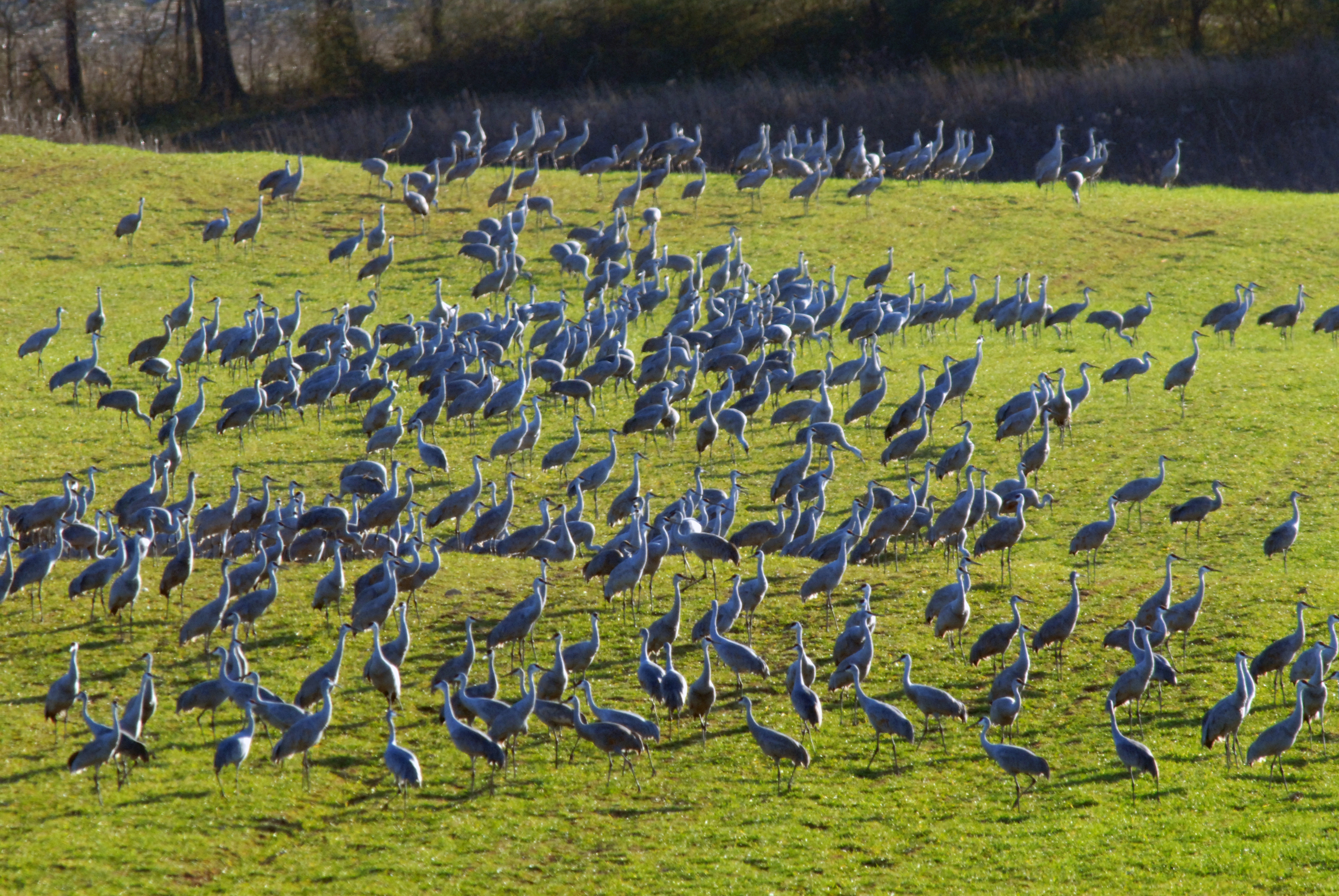
During winder migration, visitors to Hiwassee Wildlife Refuge can view thousands of Greater sandhill cranes. Photo courtesy Tennessee Wildlife Resources Agency.
The 6,000-acre Hiwassee Wildlife Refuge in rural Meigs County, Tenn., lures the cranes with its landscape of shallow water and food, offering acres of corn, millet and grain sorghum along with water and mudflats. The cranes roost in the shallow water, and probe for invertebrates in the mud.
Of all 15 crane species in the world, sandhill cranes are the most numerous and wide-ranging. Six subspecies of sandhill cranes have been identified since the early 1700s. Three of these subspecies — Lesser, Greater and Canadian — migrate and three subspecies — Mississippi, Florida and Cuban — do not.
The majority of Greater sandhill cranes breed across the Great Lakes region. In late summer and early fall, the birds leave their breeding grounds and congregate in large flocks before beginning their southward migration to traditional wintering grounds in southern Georgia and central Florida. In recent years, however, sandhill cranes have remained further north for the winter months in Tennessee, Kentucky, Indiana and even in southern Ontario on Lake Erie.
Beginning in the early 1990s, sandhill cranes began stopping at the Hiwassee Wildlife Refuge on their way to and from their wintering grounds in Georgia and Florida. Today, as many as 12,000 spend the entire winter there.
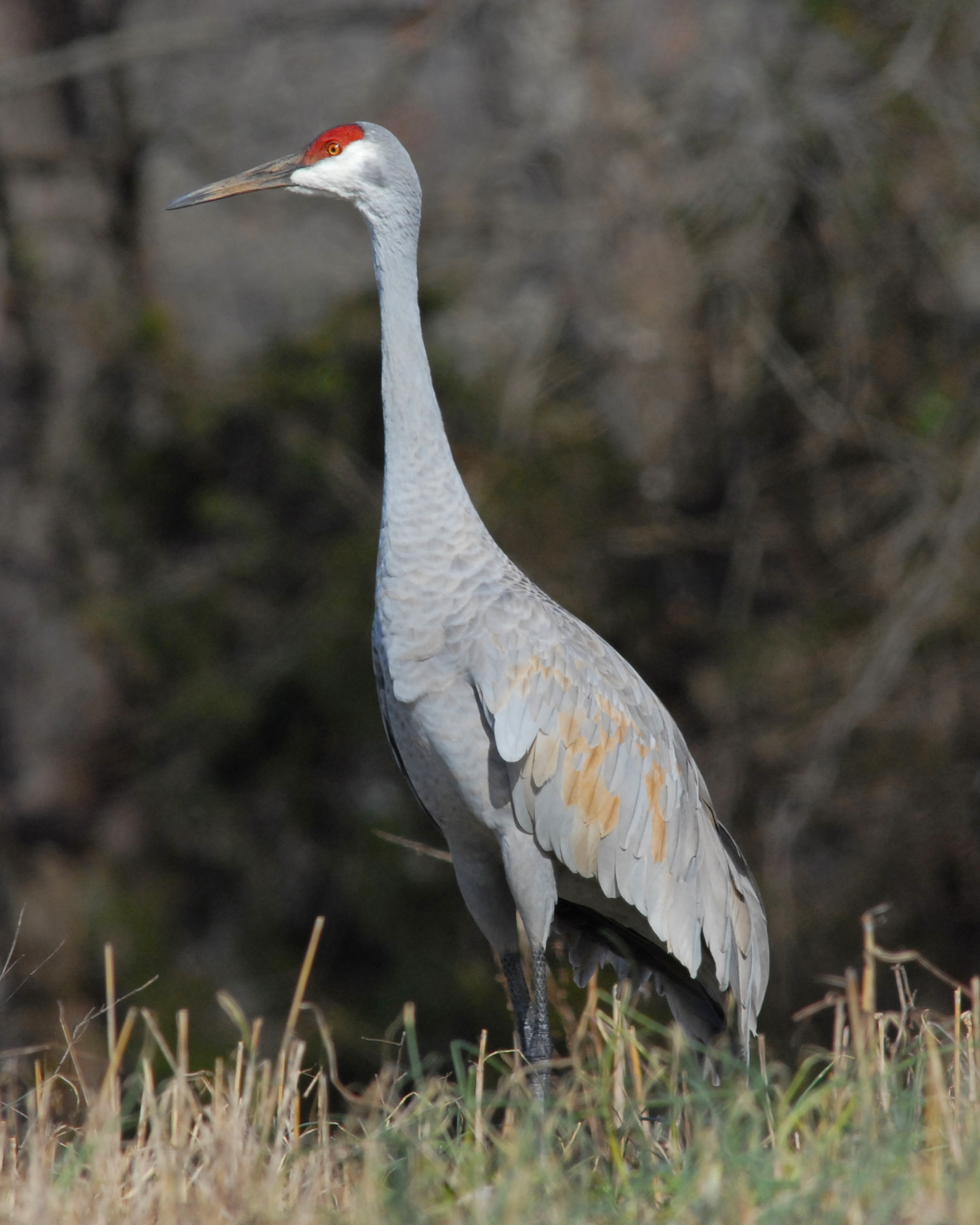
The bird’s colorful markings are on display above. Photo courtesy Tennessee Wildlife Resources Agency.
“Sandhill cranes use the Tennessee River as a travel corridor,” says Kirk Miles, Region 3 wildlife manager with the Tennessee Wildlife Resources Agency. “We average, at least for the last five years, about 15,000 sandhill cranes using the Hiwassee Wildlife Refuge. However, more and more, the birds are using other fields along the Tennessee River as well.”
Greater sandhill cranes are the largest sub-species of crane, and average six to seven pounds and close to five feet tall with a wingspan stretching more than six feet wide. Their feathers are varying shades of gray, and the forehead and crown are covered with red skin. Adults have a white cheek patch.
Sandhill cranes mate for life — which can be two decades or more — and remain with their mates year-round. Cranes nest on the ground and often have two eggs, which the pair tends together.
Particularly during spring mating season, but also throughout the year, sandhill cranes will “dance,” which can include bowing, jumping, running, wing flapping and even throwing sticks and grass into the air.
The Greater sandhill crane rebounded from near extirpation in the 1930s when the population was estimated at 25 breeding pairs. Since that time, hunting regulations along with protection, restoration and management of wetlands have allowed the population to increase to more than 87,000 birds.
Today, hunting occurs on four of the six migratory populations of sandhill cranes in Canada, the U.S. and Mexico. Lesser sandhill cranes have been hunted since 1961 west of the Mississippi River, and Greater sandhill crane hunting opened in 2011 in Kentucky and 2013 in Tennessee. The season begins in late November and ends in January.
Jenni Frankenberg Veal is a Chattanooga-based writer and naturalist who enjoys promoting the region’s historical, cultural and natural assets through her work with the Southeast Tennessee Tourism Association. Visit her blog at YourOutdoorFamily.com.
More Stories
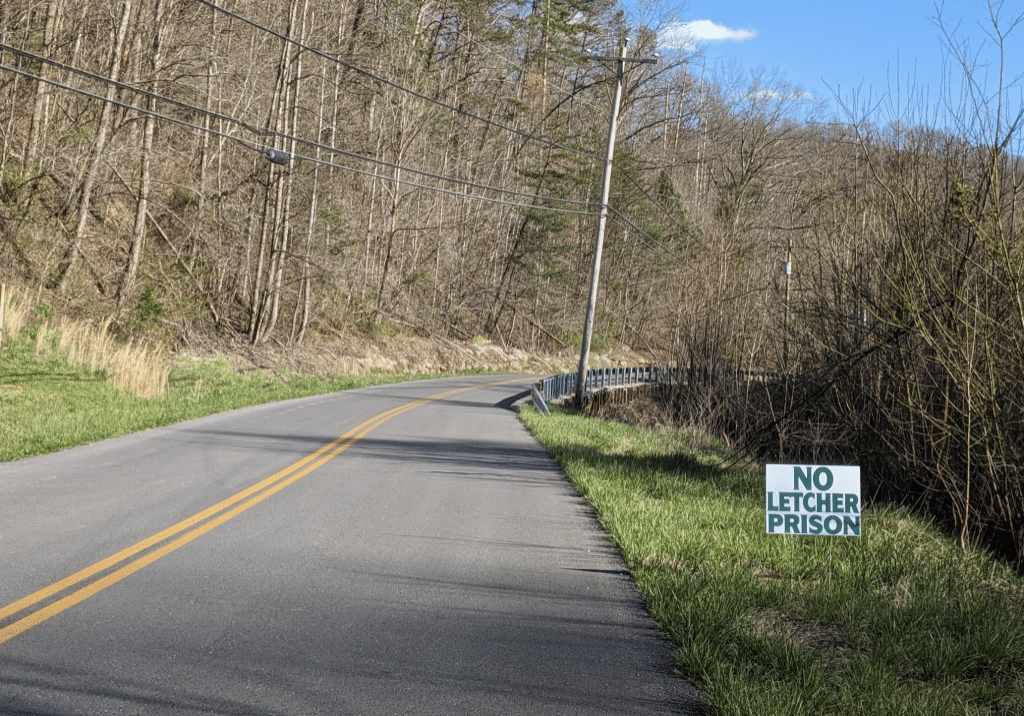
After 20 years, Letcher County prison proposal is still alive, though obstacles remain
A $605 million proposal for a federal prison on a former strip mine site in Letcher County, Kentucky, championed by U.S. Rep. Hal Rogers, refuses to die, despite local opposition, a lack of support from the executive branch and numerous other obstacles.
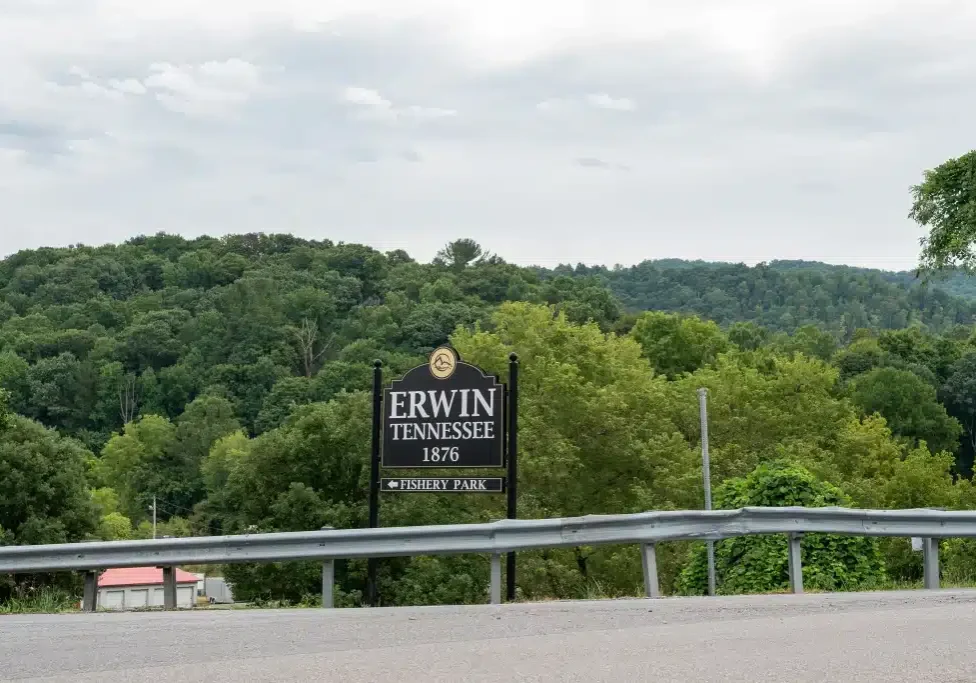
The Washout and Rebuild
For nearly two years, residents of Unicoi County, Tennessee, have had to make do without a hospital after Hurricane Helene destroyed the rural hospital. Ballad Health, which owns the hospital, broke ground on a new location — in another floodplain — in August 2026.
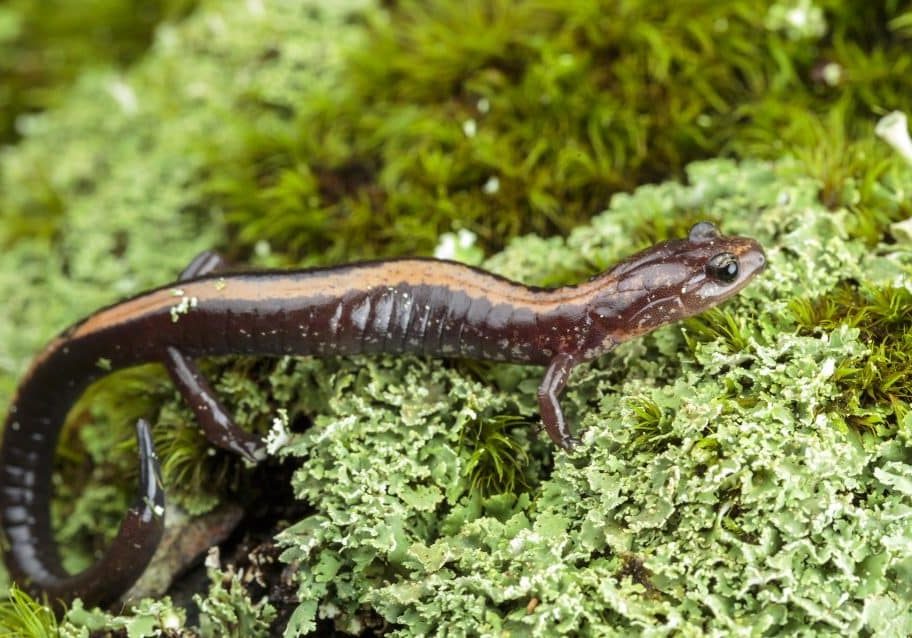
The Shenandoah Salamander
The Shenandoah salamander is a woodland salamander, which has adapted to life at higher elevations away from water. This sparkling rarity lives among the dry leaves, cracked logs, and stony hillocks on the highest peaks of Shenandoah National Park.
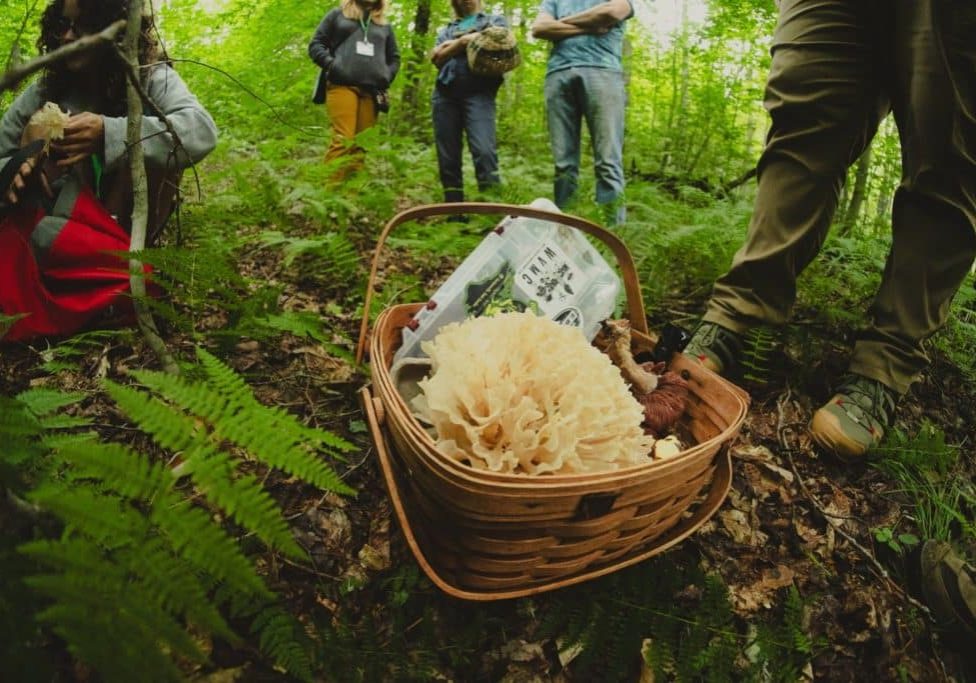
‘Foraging Is a Way of Connecting’
Foraging has experienced a modern resurgence, partly because of social media, online groups, the pandemic and people wanting to connect with nature. It also builds community, whether in person or online.

Colorblind Viewfinders Make Appalachian State Parks More Accessible
Virginia State Parks is the first park system in the nation to have a colorblind viewfinder at each one of its 43 locations — thanks to the dedication of one park ranger. Other states are following suit.

The Future of Film is in West Virginia
Many well-known TV and film productions have developed out of the Mountain State in years past, but the West Virginia Film Office is looking to the future to continue to grow the film industry.

Leave a comment
Your email address will not be published. Required fields are marked *
Leave a Comment