
Front Porch Blog
The Trump-Vance administration is pressing the gas pedal on fossil fuels and throwing up roadblocks for renewables. Congress should not enable it.

The Trump-Vance administration is systematically working to prop up dirty and expensive fossil fuels, while preventing badly needed and affordable renewable energy from coming online. And Americans are paying the price through higher electric bills and rising health care costs.
On top of this, Congress is considering energy legislation that could rip away longstanding environmental protections and rules that allow community members to have a say in projects that impact them. Doing so would essentially dump more fuel on the administration’s dirty energy fire.
Here are just a few of the ways the administration’s actions are already hurting people in Appalachia:
Propping up coal-fired power plants
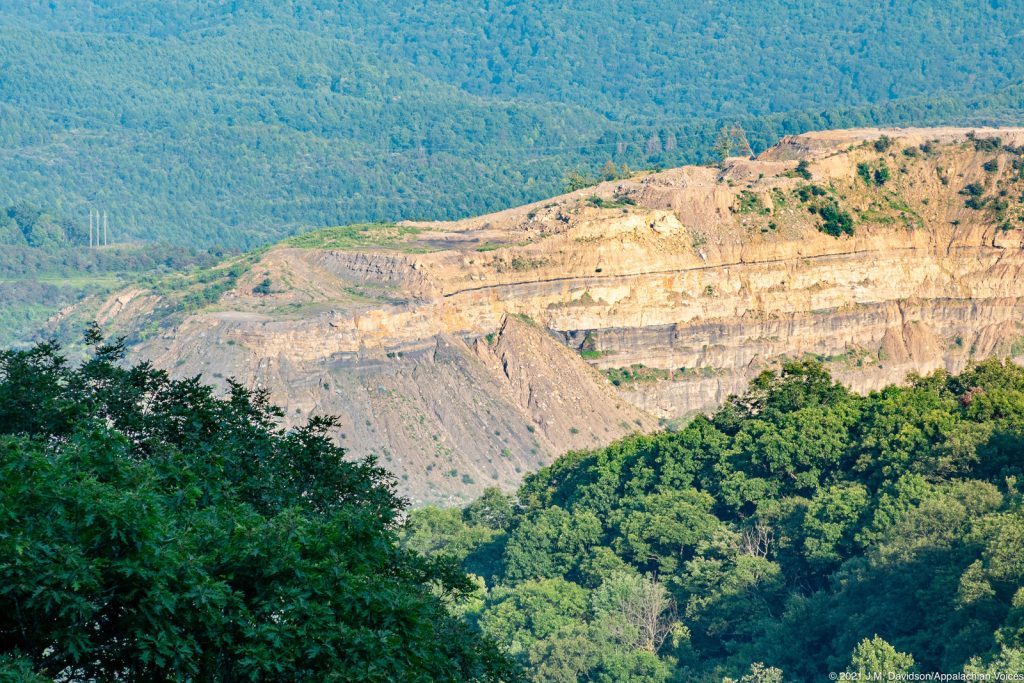
It is undeniable that the coal industry has played a critical role in the history of Appalachia, but it no longer makes economic sense. Today, coal costs more than cleaner, cheaper energy like solar. Yet, the Trump-Vance administration is doubling down on this outdated, expensive fuel.
In 2025, the U.S. Department of Energy began issuing a series of emergency orders directing coal-fired power plants that were previously scheduled to retire to remain open and continue operating. Yet, many of these power plants were scheduled for retirement because they had reached the end of their lifespans and couldn’t operate without extensive and costly repairs. According to the Institute for Energy Economics and Financial Analysis, keeping these power plants open will cost ratepayers at least $300 million, while producing little additional energy.
In addition to ordering coal power plants to stay open, the administration has also been awarding large grants to help repair aging coal-fired power plants and even build new ones. Last year, the Department of Energy announced it would spend $350 million on recommissioning and retrofitting coal-fired power plants, and in February, it announced another $175 million to extend the life of coal-fired power plants in North Carolina, West Virginia, Kentucky and Ohio. Recently, the department announced an additional $350 million in funding for coal-fired power plant upgrades and the construction of two brand new coal-fired power plants — one of which will be built in West Virginia.
The Trump-Vance administration also announced that it was planning to use the Defense Production Act to provide an additional $425 million in funding to make upgrades to 12 coal-fired power plants, including plants in North Carolina, Tennessee, West Virginia and Kentucky.
That’s $1.3 billion to prop up a declining industry that is causing higher electric bills and health problems, polluting our air and water, and inflicting ongoing harm to Appalachian communities. Temporarily delaying the closure of coal-burning power plants will not change the economic realities of the coal industry. However, these actions will increase energy costs for everyone, at a time when so many people are already struggling to pay their bills.
Weakening environmental regulations for fossil fuel power plants
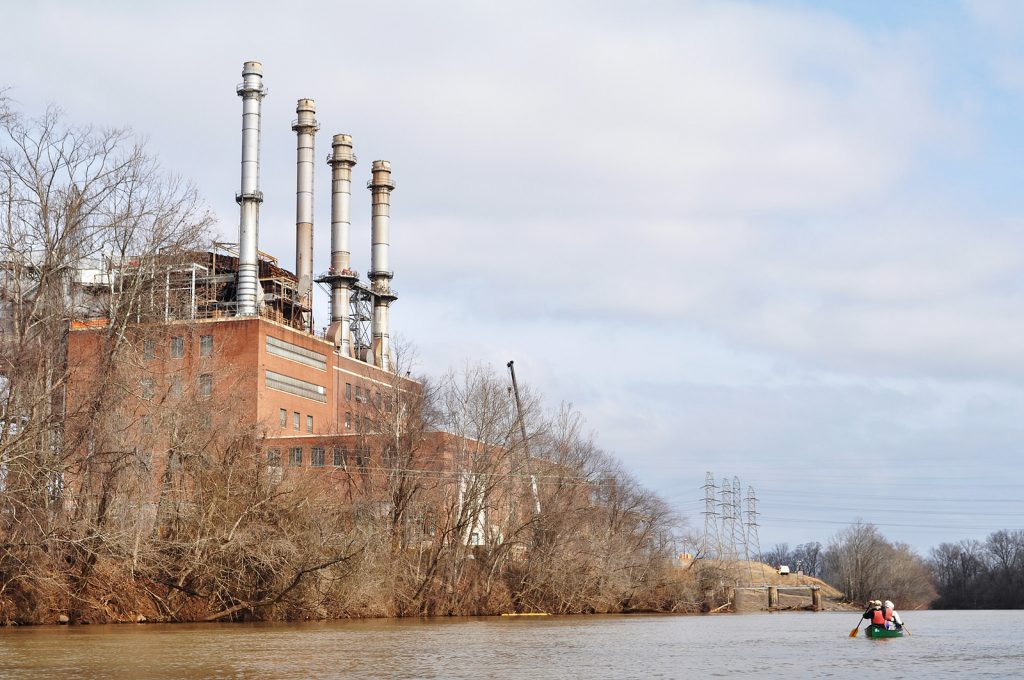
In addition to supporting fossil fuel power plants through direct funding, the Trump-Vance administration has also rolled back protections that keep our air and water clean. While these changes may lower costs for utility companies, they don’t eliminate those costs. These actions simply shift costs from utility companies to everyday people, who bear the burden of increased health problems and associated healthcare costs.
In February, the U.S. Environmental Protection Agency finalized a rule giving utilities more time to identify and clean up toxic coal ash that is contaminating groundwater, and then in April, it proposed another rule that would eliminate many coal ash regulations altogether. The EPA has also delayed the deadline for coal power plants to meet stronger wastewater pollution standards, while proposing weakening the new limits, which were established by the Biden administration. These changes will result in more polluted drinking water supplies, which will require more expensive treatment, increasing water rates, particularly for communities living in and around coal-fired power plants.
Earlier this year, the EPA repealed the 2024 Mercury and Air Toxics Standards, allowing fossil fuel power plants to emit more toxic air pollution and eliminating air quality monitoring requirements. Not only will nearby communities be exposed to more harmful air pollution, but they will also have less information about the pollutants they are being exposed to. The EPA is also working to invalidate new, lower limits on soot pollution from coal-fired power plants that were implemented in 2024 under the previous administration. The longer these protections are delayed, the longer nearby communities are exposed to dangerous air pollution linked to asthma, heart disease and other serious illnesses.
Appalachian communities already bear a disproportionate burden of fossil-fuel-related pollution and associated health problems. Weakening environmental regulations will only add to this burden, making our communities sicker and increasing household costs.
Stopping new renewable energy from coming online
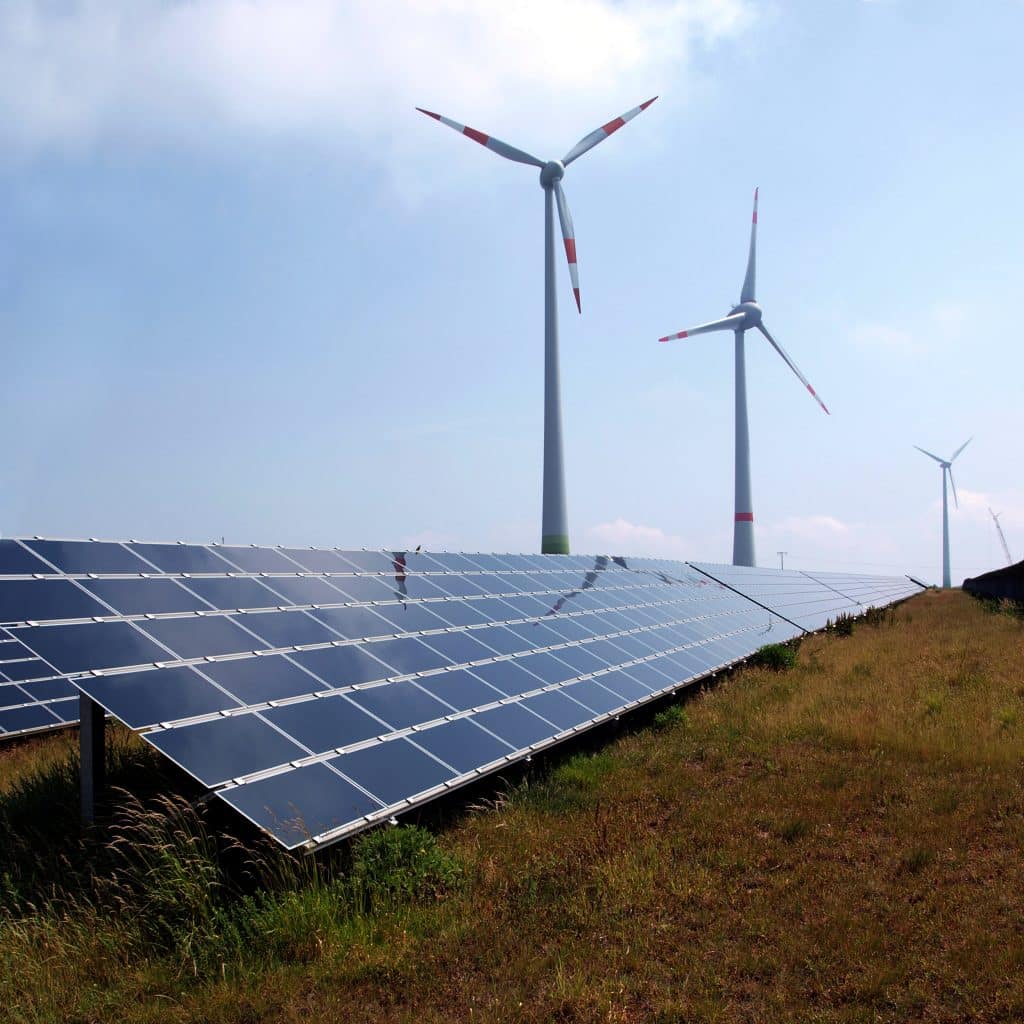
In addition to propping up fossil fuel energy, the Trump-Vance administration has also taken a number of actions to make renewable energy more difficult to build and bring online.
Last year, the Department of the Interior and the Department of Agriculture began prioritizing energy projects on public lands that can generate the most energy while taking up the least amount of land. These actions were intended to give fossil fuel projects an advantage over wind and solar energy. The Army Corps of Engineers issued similar guidance, prioritizing Clean Water Act permits for fossil fuel projects. The Department of the Interior also issued guidance requiring the signoff of the agency’s leader on wind and solar energy projects on federal lands, in an effort to slow down approvals.
During its first year, the Trump-Vance administration attempted to block offshore wind farms by issuing a series of “stop work” orders and lease pauses. After multiple federal judges ruled against the administration’s efforts to stop offshore wind, it decided to take a different approach.
Since March, the administration has paid more than $2.5 billion dollars of taxpayer money to energy companies to abandon their plans to build offshore wind and instead invest in fossil fuel energy projects. This includes $129 million paid to Duke Energy to abandon a wind farm off the coast of North Carolina, which would have provided cheap, clean energy and jobs to the state. Meanwhile, the Department of Defense has effectively halted any new permitting of onshore wind by refusing to complete national security reviews of the projects.
The administration has also restructured the Department of Energy to prioritize fossil fuel energy and deprioritize renewable energy. A number of offices within the department, including the Office of Energy Efficiency and Renewable Energy, have been eliminated, and the department has lost thousands of staff who supported the work these offices were doing.
Together, these efforts are slowing the buildout of new affordable clean energy sources at a time when electricity demand and household energy bills are both on the rise.
Making energy more expensive
Renewable energy has become one of the most affordable types of energy to build and bring online even without federal subsidies. But the administration is attempting to make renewable energy less competitive by removing funding while maintaining or adding new subsidies for fossil fuels.
Last year, the Treasury Department issued guidance that makes it harder for wind and solar project developers to claim tax credits. And the administration’s efforts to make renewable energy less competitive are not limited to large energy project developers. The administration has restricted funding through the Rural Energy for America Program, which helps farmers and rural small businesses install renewable energy systems or improve energy efficiency. For example, REAP provided funding to help Wise County and Lee County schools in southwest Virginia install solar panels that are expected to save them millions of dollars in energy costs, while also supporting local workforce development. The Department of Energy has also delayed the distribution of more than $400 million in grant funding for the Weatherization Assistance Program and the State Energy Program — both of which help to bring down energy costs for everyday people.
What you can do
Congress is currently contemplating a number of bills that would weaken environmental and community protections to speed up the construction of energy infrastructure. Recent reporting suggests that Senate Republicans have already submitted draft language to Senate Democrats for consideration.
It is not a question of whether America builds new energy infrastructure, but rather what we build and how. Given the Trump-Vance administration’s focus on fossil fuels, it’s clear that the projects expedited by changing the permitting process are virtually guaranteed to be for dirty energy unless Congress enacts legislation with strong, deliberate protections for renewables. Walking back environmental and community protections will leave future administrations and the public without important tools for ensuring that energy infrastructure is developed in a responsible manner.
Tell your member of Congress to hold the line on our environmental and community protections!

PREVIOUS
NEXT

Leave a comment
Your email address will not be published. Required fields are marked *
Leave a Comment