
Front Porch Blog
The grave new threat facing communities
People living near power plants, mines and pipelines are particularly at risk

Photograph of the Hobet mine taken during a 10-day notice inspection.
Editor’s note: This blog was updated Sept. 15 to reflect the fact that the deadline for reauthorizing the Defense Production Act has moved from Sept. 30 to Dec. 11 as part of a government funding continuing resolution.
The Trump-Vance administration has demonstrated time and again that it is willing to use taxpayer funds to prop up the coal industry to benefit wealthy company executives’ profits over community health and safety.
One of the tools the administration has used to do so is the Defense Production Act, a law initially passed in 1950 that gives the federal government broad power for the purpose of “national defense.” Over the past 75 years, Congress has expanded the law’s scope beyond the military to include the needs of the nation to prepare for, respond to and recover from national emergencies, which can include energy production, construction, conservation and storage. The Defense Production Act also allows the administration to provide funding in the form of grants, loans and other financial assistance to private businesses to support national defense and preparedness.
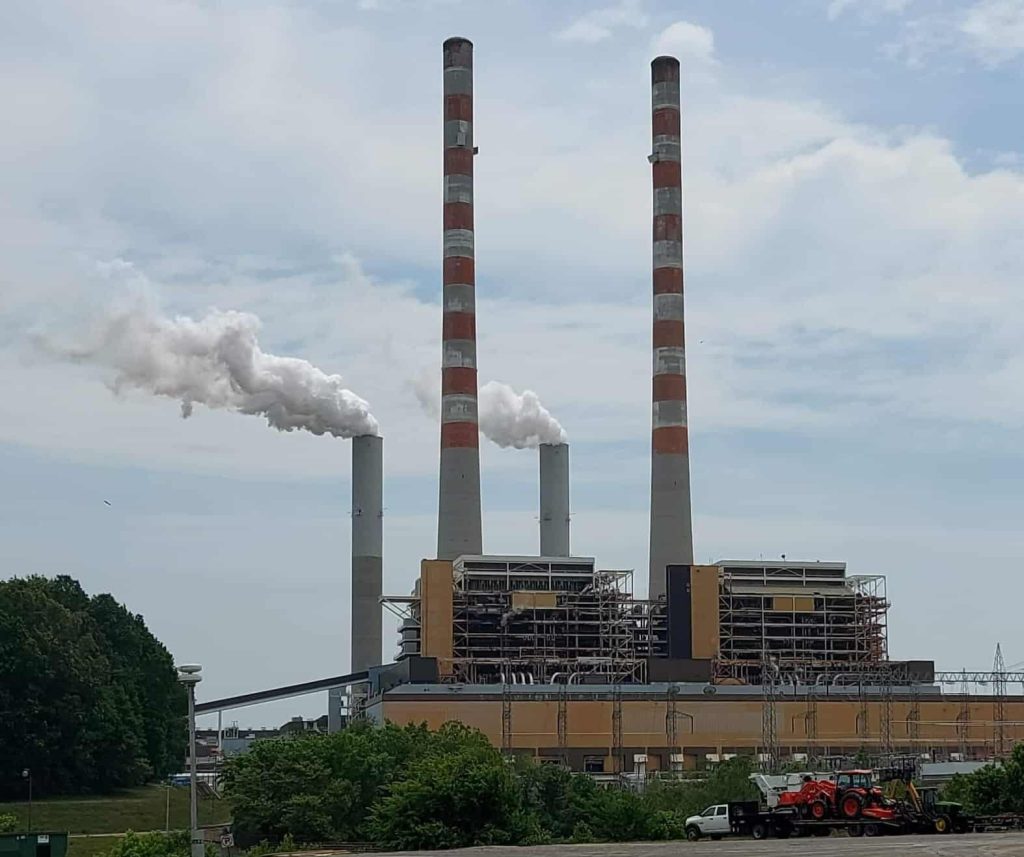
At the beginning of the Trump-Vance administration, the president issued an executive order declaring, without evidence, a “national energy emergency” and directing agencies to use whatever tools they had under the DPA to address the emergency. Since that time, the Trump-Vance administration has used the DPA to prop up fossil fuel industries, including issuing hundreds of millions of dollars in DPA grants to keep aging coal plants operating and fund new coal-fired power plants.
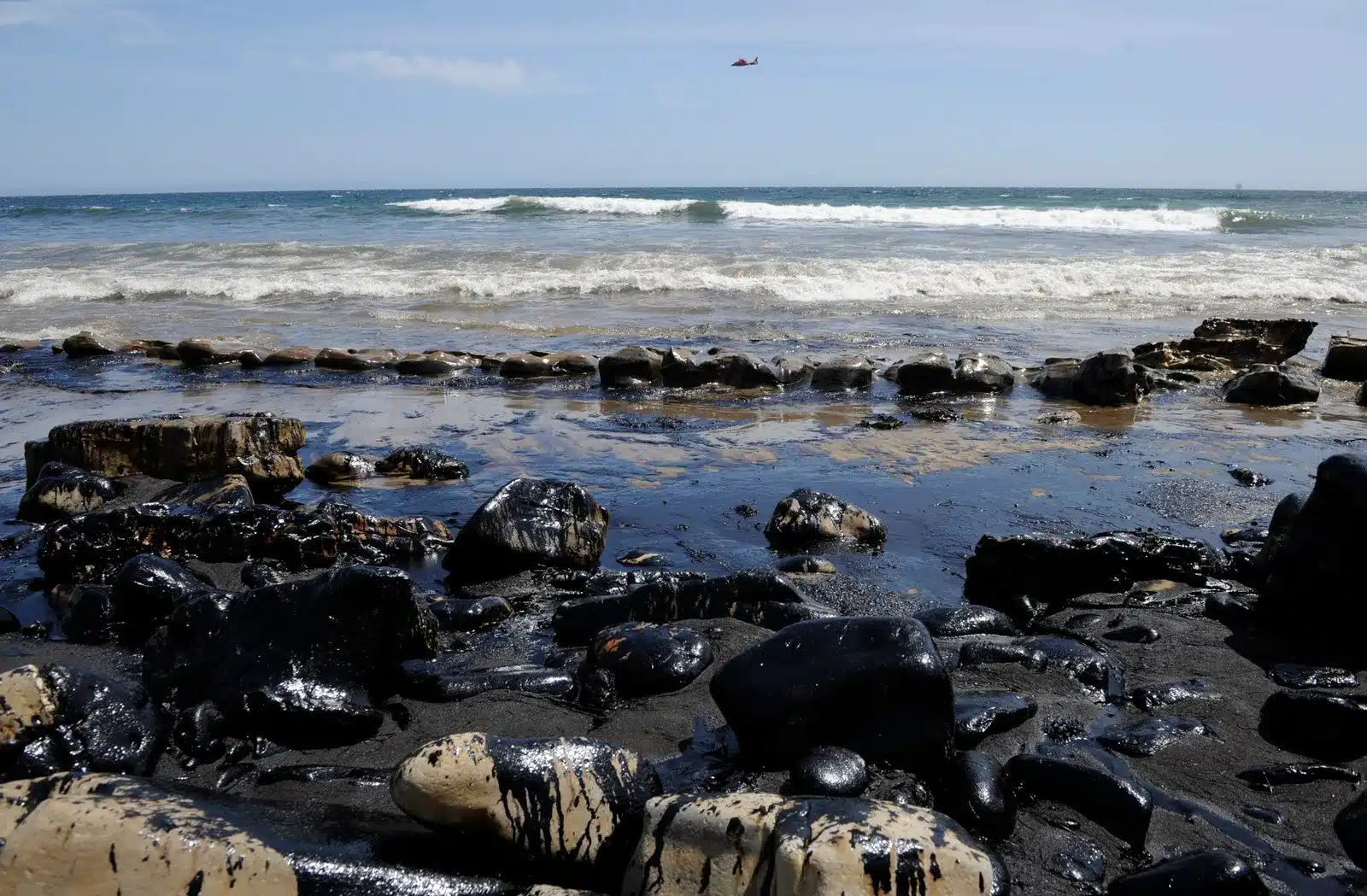
In addition to these grants, the administration has also claimed that the DPA allows the federal government to override state and local laws that might conflict with a project it deems necessary. For example, in March, the Department of Justice directed an oil and gas company to restart operations at a pipeline that had been shut down by the state of California after a devastating 2015 oil spill, citing the Defense Production Act, attempting to override state laws.
The question of whether the DPA currently allows such broad authority is still pending before the courts, but the administration’s attempt to use this law to override health and safety protections is alarming for anyone who lives near an energy or manufacturing facility that the administration might claim is needed for this non-existent “national emergency.”
What is Congress doing?
The DPA is set to expire on Dec. 11, and Congress must act to pass an extension of the existing law or an amended version. National defense and our ability to prepare for and recover from emergencies is important, but that’s not an excuse to give industries a free pass. Congress should use its authority to clarify that a president cannot create a fake emergency and then override all health and safety rules to enrich company executives and billionaires.
This is particularly important because some members of Congress are trying to do the opposite. In March, the House Financial Services Committee passed a bill to reauthorize the DPA called the DPA Modernization Act, but unfortunately, instead of attempting to rein in the federal government’s authority, it proposes to broaden the president’s authority to override any regulations.
The bill would create new authorities to waive any “relevant regulations” to build infrastructure or procure critical minerals. These provisions are broad enough to include waiving protections such as the Clean Air Act, Clean Water Act, worker safety protection, and any state or local laws that protect people, property or vital resources.
To put it plainly, the Trump-Vance administration could attempt to say that a new coal mine or pipeline is needed for the fake national energy emergency and waive any and all safety and health regulations for the purpose of constructing the facility — the very laws we rely on to ensure our water is drinkable, our homes aren’t destroyed and we and our loved ones are safe at work.
It’s not too late for us to act — the bill has not yet passed the House and the Senate hasn’t weighed in yet. In July, the House passed a five-year reauthorization of the DPA as part of the annual national defense bill, but this is simply a placeholder as negotiations continue. This version doesn’t broaden the administration’s authority as proposed in the DPA Modernization Act, but unfortunately, it also failed to include any provisions to rein in the Trump-Vance administration’s current efforts to ignore health and safety protections. The Senate has yet to introduce a DPA reauthorization bill.
Take action today and demand that any bill to reauthorize the Defense Production Act ensures that our air, water and workers are safe, and that the Trump-Vance administration can’t abuse its powers to sacrifice our health and safety.

PREVIOUS
NEXT

Leave a comment
Your email address will not be published. Required fields are marked *
Leave a Comment