

Appalachian Access to Affordable Healthcare
The national struggle to provide affordable healthcare and to address the social and environmental factors that contribute to health problems is felt acutely in the region
By Molly Moore
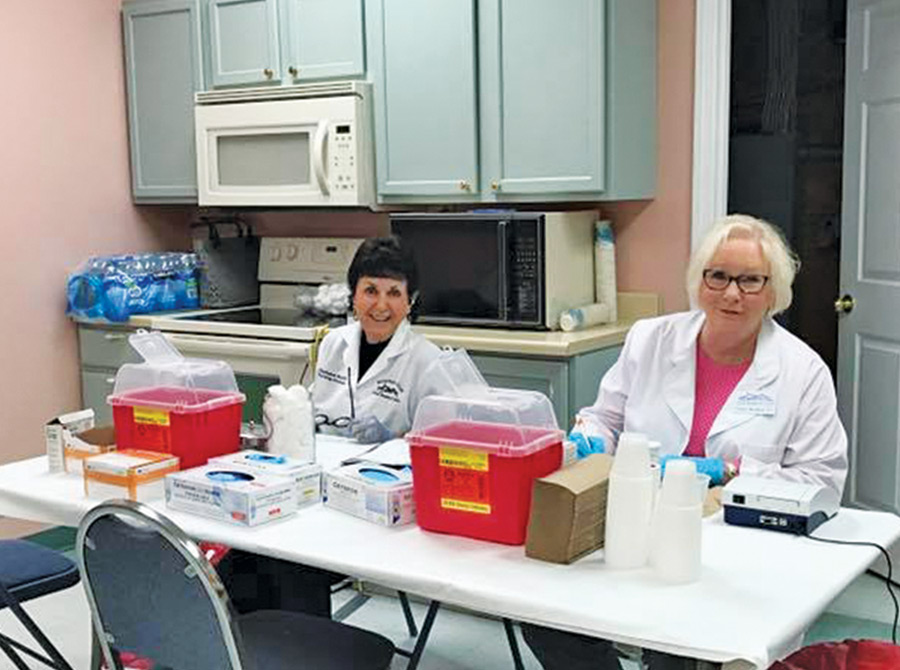
Mountain Hope Good Shepherd Clinic is one of the many nonprofit clinics that provide health services to uninsured residents. Photo courtesy of Mountain Hope
It’s a recurring sight at fairgrounds, camps and schools across the country. Scores of volunteers and medical professionals with the nonprofit organization Remote Area Medical erect a temporary, first-come, first-served clinic to provide free screenings and treatments, along with dental and vision care, to hundreds — even thousands — of area residents over two or three days. Patients often spend the night in nearby parking areas to ensure a spot.
But these periodic clinics are not enough. Mary Vance, executive director of Mountain Hope Good Shepherd Clinic in Sevier County, Tenn., says one of the most pressing needs is access to primary care providers who can help maintain residents’ health on a regular basis.
Mountain Hope is one of Tennessee’s 55 safety net clinics — a term for clinics that serve uninsured and underinsured residents. Mountain Hope in particular only treats clients who live or work in Sevier County and do not have other forms of healthcare. The clinic received 9,600 visits in 2016 alone.
The most common ailments they see include diabetes, hypertension, musculoskeletal issues such as arthritis, and oral care, according to Vance. “Bad teeth can severely affect overall health and wellbeing,” she says.
As a standalone nonprofit organization, Mountain Hope is primarily supported by the community through volunteers and donations from residents, churches, local government and businesses. But while the clinic does not directly receive federal funding, changes in federal policy that reduce eligibility for programs like Medicaid would have a trickle-down effect by driving even more people to safety net clinics.
“There’s so many aspects to healthcare, not just primary care and clinics like ours,” Vance says. “It’s dental needs, behavioral health, coordinated school health, rural hospitals, it just goes on and on and on. If you don’t have adequate funding to take care of those in need, those [services] go away but the people don’t go away.”
During three July days in Wise County, Va., 2,249 patients sought treatment from the temporary clinic hosted by Remote Area Medical. Another six such events will be held in Central Appalachia before the end of 2017.
At the Wise County clinic, Melody Reeves volunteered at an informational booth for We Care, a local, grassroots, nonpartisan organization working to achieve affordable healthcare for all. Reeves and other We Care volunteers handed cards to attendees with their legislative representatives’ contact information.
“What we told them is, we are encouraging people to stand up for their right to healthcare and to urge their representatives not to push anyone off of healthcare,” Reeves says.
We Care aims to educate the public and legislators about how health policies manifest in the real world. The group has also handed out lists of the types of care that private insurers are required to provide under the Affordable Care Act, and asked that people compare that list to any new policy proposals.
“You can’t have coverage for all and have it all be based on profit because then the sickest people will be pushed out of the market because it’s not profitable,” Reeves says.
Developing a plan that works for all requires lawmakers who are aware of the issues — something that Vance says is demonstrated by a Tennessee state senator who volunteers at the Mountain Hope reception desk once per year. “He doesn’t say he’s a senator but greets patients and gets to see who these patients are and what their needs are when they come through the door,” she says.
Reeves suggests that legislators work with constituents in their areas to develop educational forums to help the public understand the issues and receive feedback from residents.
“Even though it’s complicated, if we don’t make the effort to have a public conversation about this, I don’t think we can solve it,” she says. “It’s not one side against the other — we all need healthcare.”
Related Articles
Latest News
More Stories

Halloween Approaches, and Night School Is in Session
The House of Art in Bluefield, West Virginia, looks like a haunted tower, making it the perfect location for its sixth annual haunt event: Night School. The Night School will be open every Friday and Saturday night through Oct. 31.
‘The Most Perfect Act of Love’
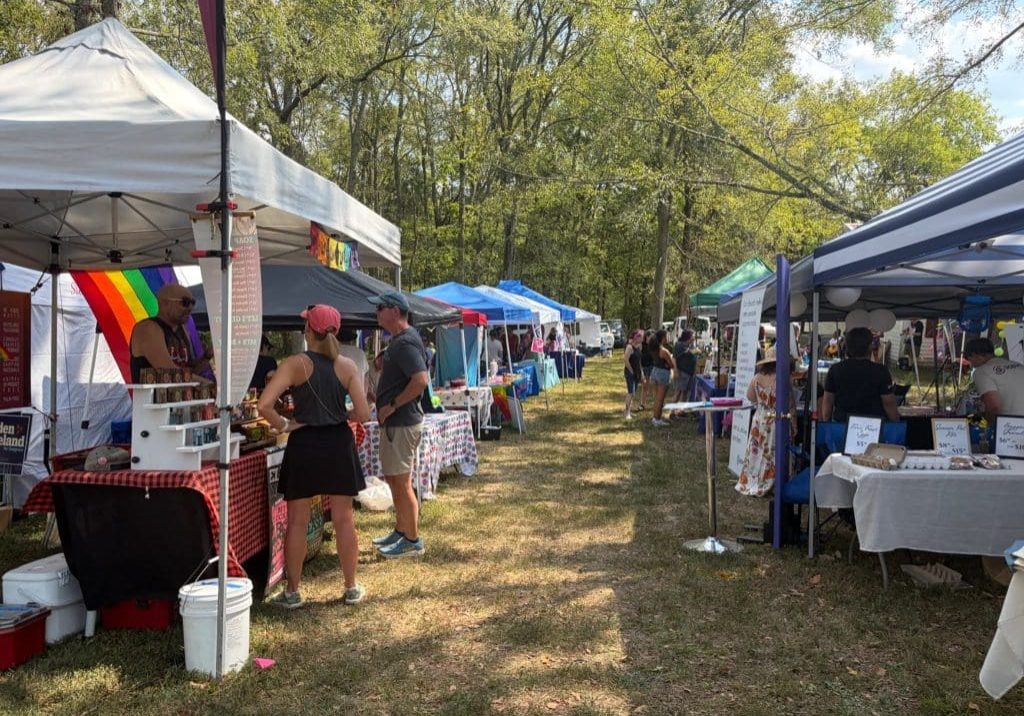
After losing its rural pride celebration, hundreds of people attended the second annual Affirming Sumner Pride celebration on a 24-acre farm dubbed “Fruity Farm” in Bethpage, Sumner County, Tennessee.

Signs of Life
In the Nantahala National Forest, a team of biologists spotted Indiana bats, an endangered species that hasn’t been seen in North Carolina for the last 11 years.
‘First Line of Defense’
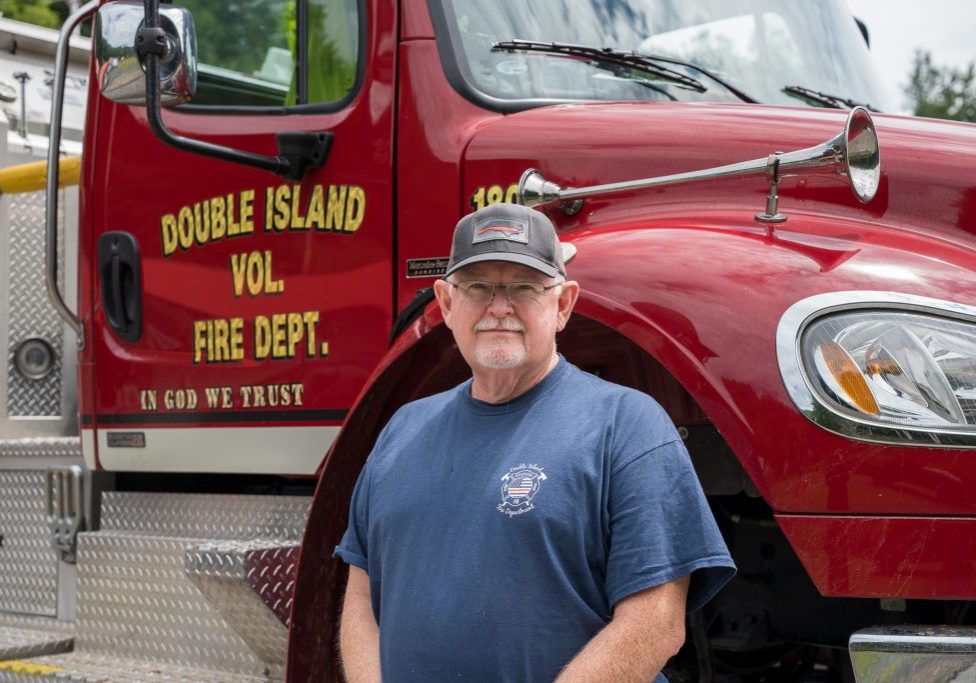
During Hurricane Helene and its aftermath, rural fire departments and other first responder hubs played critical roles in keeping their communities safe, even without power and cut off from outside support for days or weeks after the storm. Two years later, plenty of work remains to ensure these hubs have the resources they need to operate day to day and be ready when emergencies or natural disasters strike.
The Rocky Road — and Bridge — to Recovery
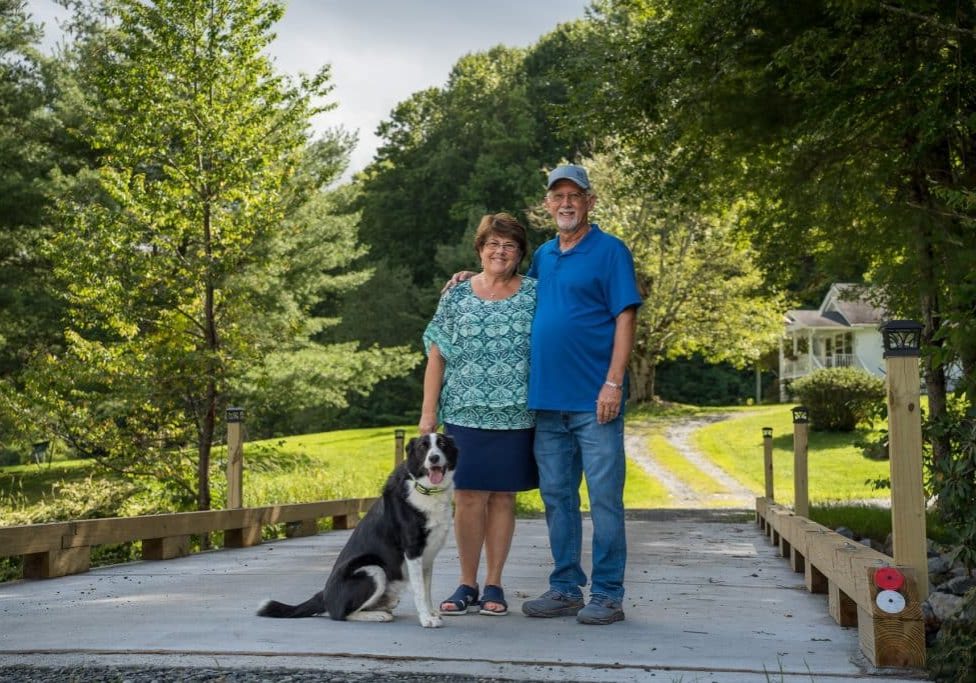
Hurricane Helene is estimated to have damaged nearly 7,000 private roads and bridges in Western North Carolina. Two years later, many restoration projects are complete, but the journey hasn’t been easy — and isn’t over for others.
After 20 Years, Letcher County Prison Proposal Is Still Alive, Though Obstacles Remain
A $605 million proposal for a federal prison on a former strip mine site in Letcher County, Kentucky, championed by U.S. Rep. Hal Rogers, refuses to die, despite local opposition, a lack of support from the executive branch and numerous other obstacles.

Leave a comment
Your email address will not be published. Required fields are marked *
Leave a Comment