

Integrating a Plant Medicine Economy
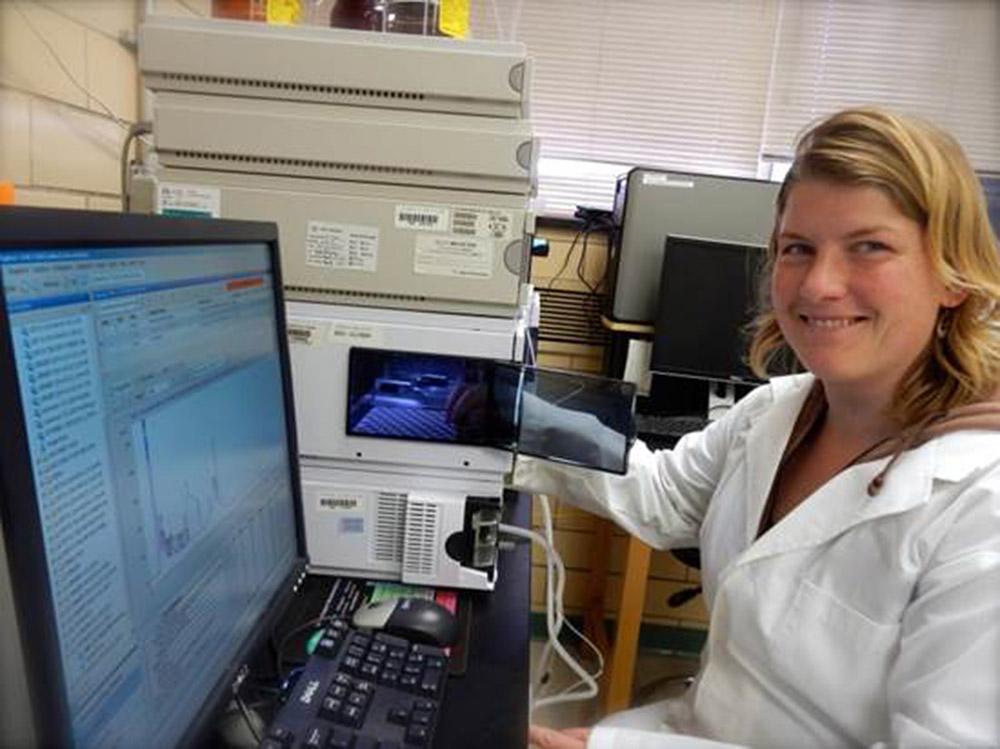
Vickers works in the Bionetwork lab, which hosts training, education and outreach in addition to lab services. Photo by Marie Knight
By Eliza Laubach
In a lab on the grounds of Asheville-Buncombe Technical Community College, Amanda Vickers looks at medicinal plants on a microscopic level. She is testing the plants — valued as a source of income by many in the biodiverse Blue Ridge Mountains — to determine their potency for use in herbal products.
As director of the U.S. Botanical Safety Laboratory, Vickers uses botanical labs at universities and community colleges across western North Carolina to conduct her tests. The results inform wild harvesters and farmers about when to harvest and how to process the herbs. Vickers also adds plant samples to North Carolina Arboretum’s Germplasm Repository, North America’s only gene and seed bank for medicinal plants.
“We’re sort of an engine for getting farmers’ crops qualified and getting them in the hands of other local people,” says Vickers.
The Bent Creek Institute, a nonprofit business accelerator, manages the lab and seeks to serve as a catalyst for economic development in a region abound with herbalists. As part of this goal, Vickers is currently working with a local salon to develop an herbal dry shampoo, first by connecting a wild harvester and a farmer with the hairstylists, and then testing the product as it undergoes development. This work is done out of the Bionetwork, a lab on the campus of A-B Tech that serves as public testing and teaching grounds. Ultimately, the dry shampoo may qualify for the Blue Ridge Naturally label, designating the local sourcing of the ingredients.
Blue Ridge Food Ventures is a commercial kitchen that also collaborates with the Bionetwork lab, initiated by the economic development group AdvantageWest. At the kitchen, entrepreneurs craft food and cosmetic products and can use the lab, or employ Vickers, to test the integrity of their ingredients. “We try to stay really embedded in the local economy,” says Vickers.
For more information, visit botanical-safety.com
CORRECTION: The original article misidentified where the lab Amanda Vickers works in as being in the basement of the North Carolina Arboretum and what is is called. It misidentified Bent Creek Institute as a business incubator, stated that the dry shampoo Vickers is working on will qualify for the Blue Ridge Naturally label and did not name the photographer of the picture.
Related Articles
Latest News
More Stories
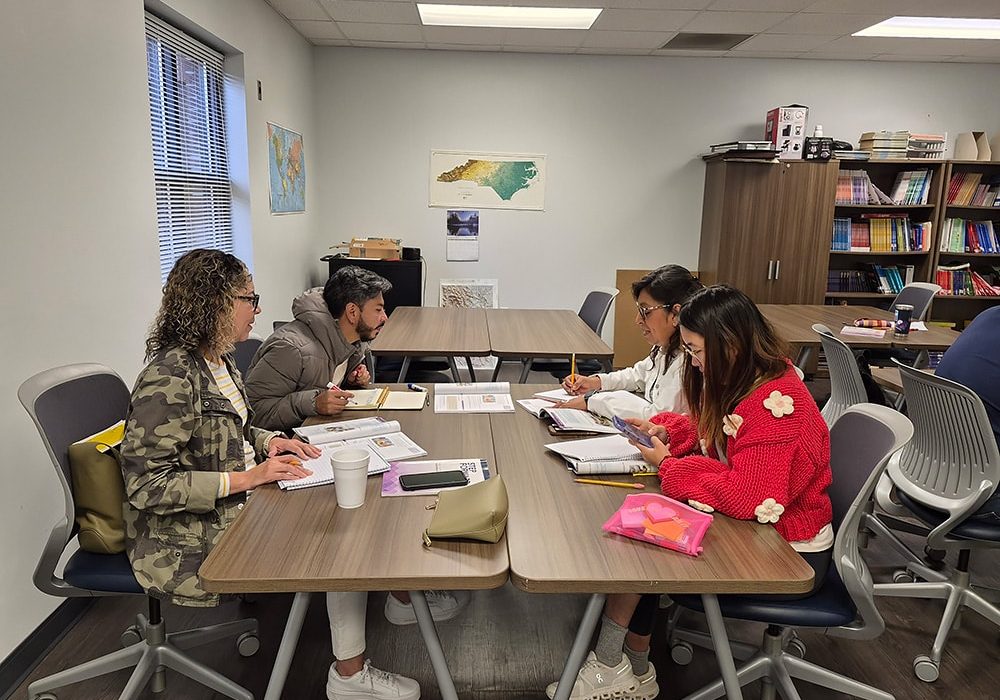
English Language Learning in Appalachia
Learning English is always difficult. But current aggressive approaches to immigration policy are creating more barriers for learners and the programs that serve them than ever before in Appalachia and beyond.
Landfill Drama
Many residents of Pike County, Kentucky, are breathing a sigh of relief since county commissioners finalized their decision to rescind a contract with an out-of-state waste management company.
Overdrive: Fossil Fuels in Appalachia
Electricity demand is on the rise. Here, we share snapshots of energy trends in the region and how methane gas, coal and data centers are affecting our communities — and how people are pushing back.
Less Support for Communities with Mine Problems
The Trump administration issued a regulation to weaken the Ten Day Notice process that helps community members call in federal enforcement when state regulators don’t do a good job policing environmental problems at coal mines
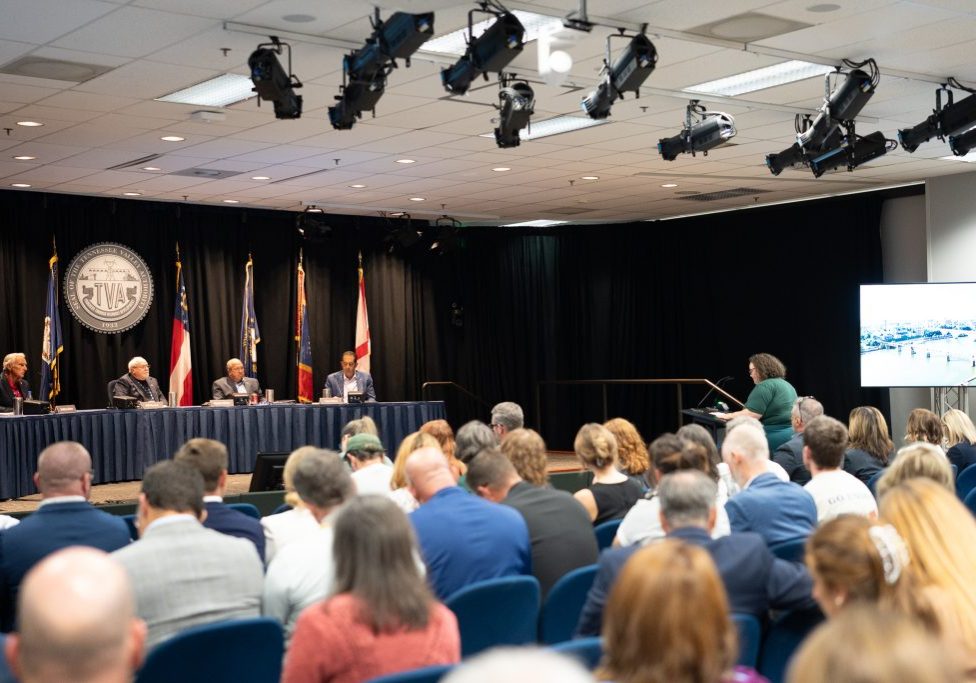
Chaos at the Tennessee Valley Authority, Cuts to Public Input
The past year has brought turmoil and uncertainty to the Tennessee Valley Authority, the nation’s largest public power provider, and its more than 10 million customers across the Tennessee Valley.
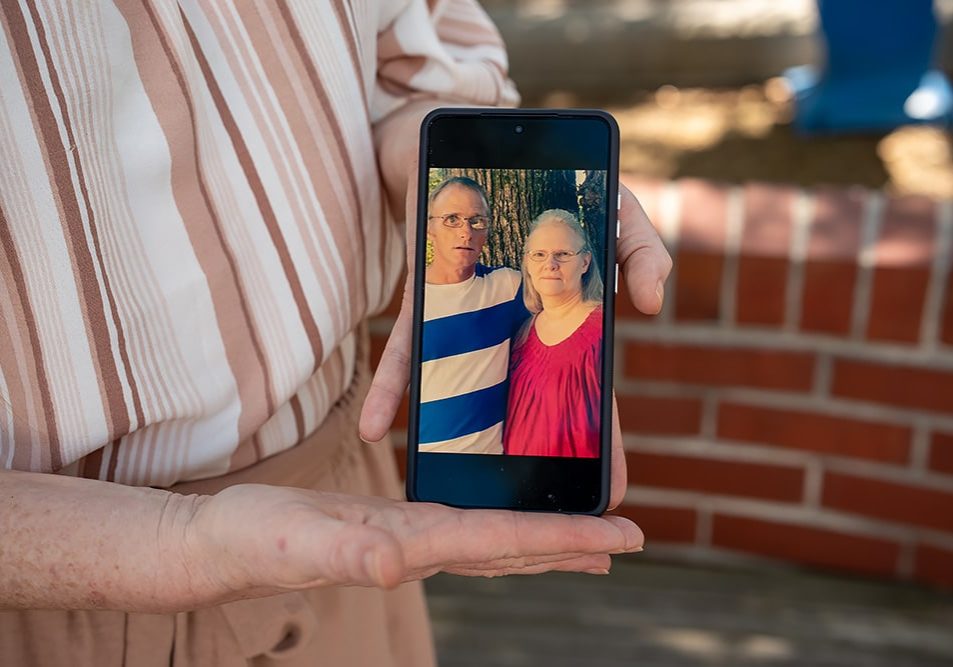
Landmark Coal Ash Protections Under Attack
The U.S. Environmental Protection Agency is planning to eviscerate important, hard-won regulations on coal ash, a toxic waste left after burning coal for energy.

Leave a comment
Your email address will not be published. Required fields are marked *
One response to “Integrating a Plant Medicine Economy”
-
Great article, but several entities are misidentified. BioNetwork is a statewide organization that is part of the community college system Our offices in the western part of the state are located on the A-B Tech Enka site. We are BioNetwork at A-B Tech, not Blue Ridge BioNetwork.
Blue Ridge Food Ventures is transitioning to WNC Communities as AdvantageWest is slowly closing down.
Thank you!

Leave a Comment