
By Chelsey Fisher
Nearly 6,000 acres of land in the Appalachian region were purchased or donated for conservation purposes in the same month Environment North Carolina released 10 reasons why the state General Assembly should restore conservation funds in the state.
In Transylvania County, the new Headwaters State Forest, developed through a deal with former North Carolina congressman Charles Taylor’s family, will ultimately encompass 8,000 acres of land. So far, only 2,100 acres have been officially purchased by the Carolina Mountain Land Conservancy due to a lack of funds, but the organization is currently fundraising and applying for grants to complete the full purchase, says Kieran Roe, executive director of CMLC.
Roe expects it will take another four years to purchase all 8,000 acres, at which time the land will be given to the North Carolina Forest Service.
“The bottom line is there is a lot of benefit to the citizens of the state, so we’re trying to protect something very special,” Roe says.
Across the state border in Tallassee, Tenn., another 4,000 acres of land has been added to an existing 6,000 acres for the Cherokee National Forest and the Great Smoky Mountains National Park. Alcoa Inc., which owns four hydroelectric dams in the area, agreed to transfer the original 6,000 acres of land to The Nature Conservancy in 2004 to regain federal energy licensing. Alcoa sold the new 4,000 acres to Brookfield Renewable Energy in fall 2012, and The Nature Conservancy acquired the land in early May, says Alex Wyss, conservation director of the organization’s Tennessee division.
The Nature Conservancy will transfer the land for public use in two years, but hopes to improve the area until then.
“We want to, while we own the acres, leave them better than we found them, especially in terms of public access and the use of the properties,” Wyss says.
The Nature Conservancy plans to enhance trails and develop interpretive signage to enhance the public’s understanding of the history, wildlife and vegetation of the surrounding land.
“This area is often used by tourists, but currently there is very little interpretation of what they’re looking at,” Wyss says.
The complete 10,000-acre conservation project is also known as “Bridging the Smokies.” More than twenty rare, threatened and endangered species are known to live on the tract, including the bald eagle, the Junaluska salamander and the bristle fern.
Related Articles
Latest News
More Stories

Signs of Life
In the Nantahala National Forest, a team of biologists spotted Indiana bats, an endangered species that hasn’t been seen in North Carolina for the last 11 years.

‘First Line of Defense’
During Hurricane Helene and its aftermath, rural fire departments and other first responder hubs played critical roles in keeping their communities safe, even without power and cut off from outside support for days or weeks after the storm. Two years later, plenty of work remains to ensure these hubs have the resources they need to operate day to day and be ready when emergencies or natural disasters strike.

The Rocky Road — and Bridge — to Recovery
Hurricane Helene is estimated to have damaged nearly 7,000 private roads and bridges in Western North Carolina. Two years later, many restoration projects are complete, but the journey hasn’t been easy — and isn’t over for others.
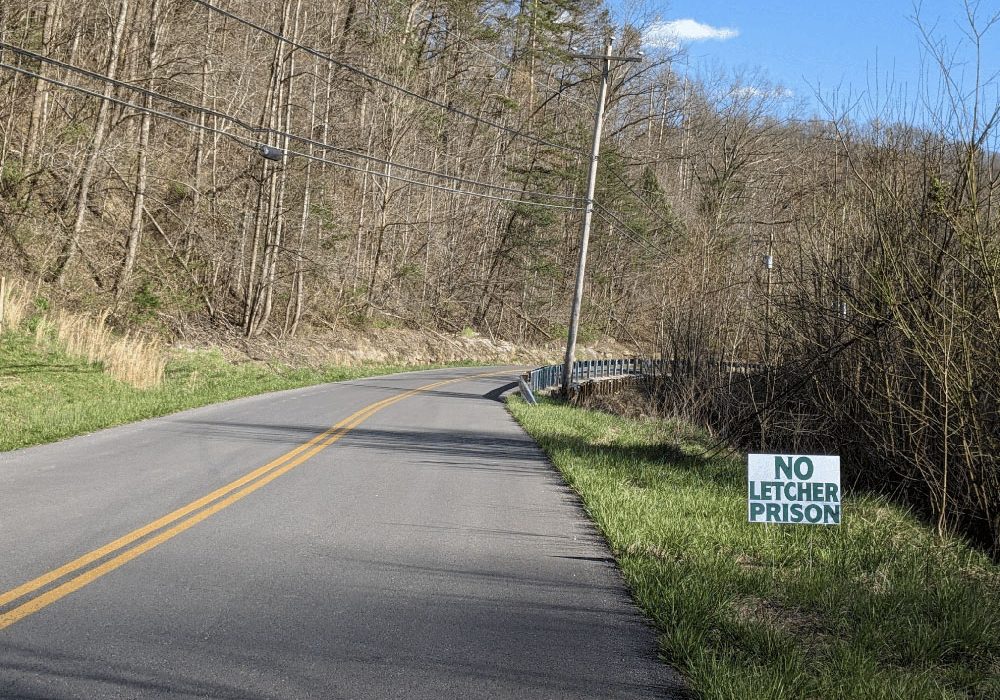
After 20 Years, Letcher County Prison Proposal Is Still Alive, Though Obstacles Remain
A $605 million proposal for a federal prison on a former strip mine site in Letcher County, Kentucky, championed by U.S. Rep. Hal Rogers, refuses to die, despite local opposition, a lack of support from the executive branch and numerous other obstacles.
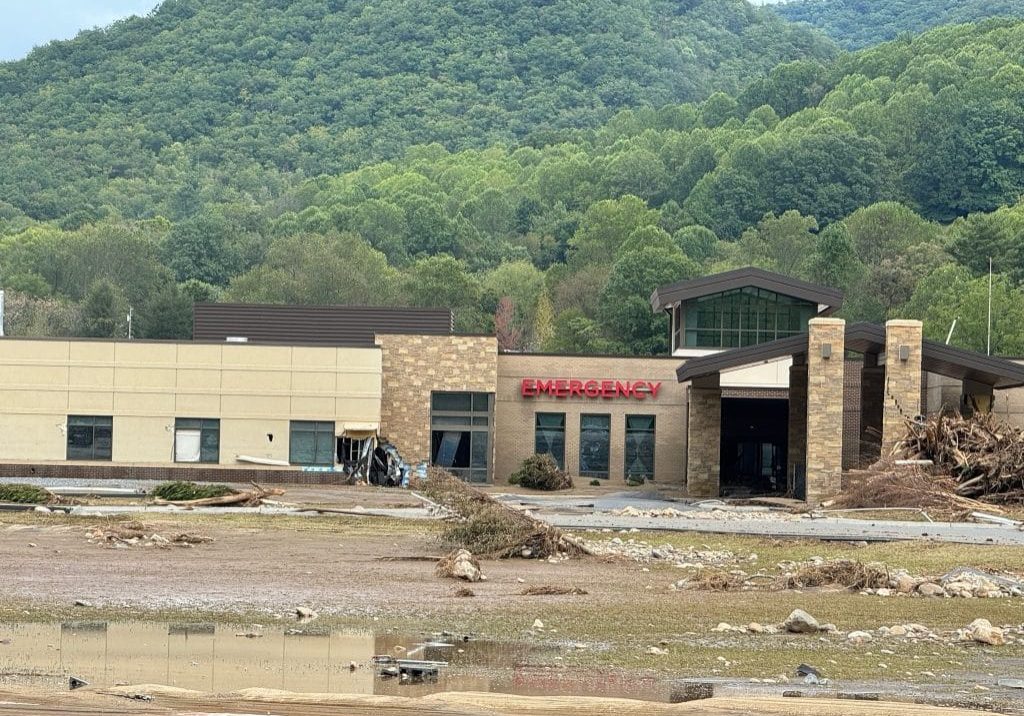
The Washout and Rebuild
For nearly two years, residents of Unicoi County, Tennessee, have had to make do without a hospital after Hurricane Helene destroyed the rural hospital. Ballad Health, which owns the hospital, broke ground on a new location — in another floodplain — in August 2026.
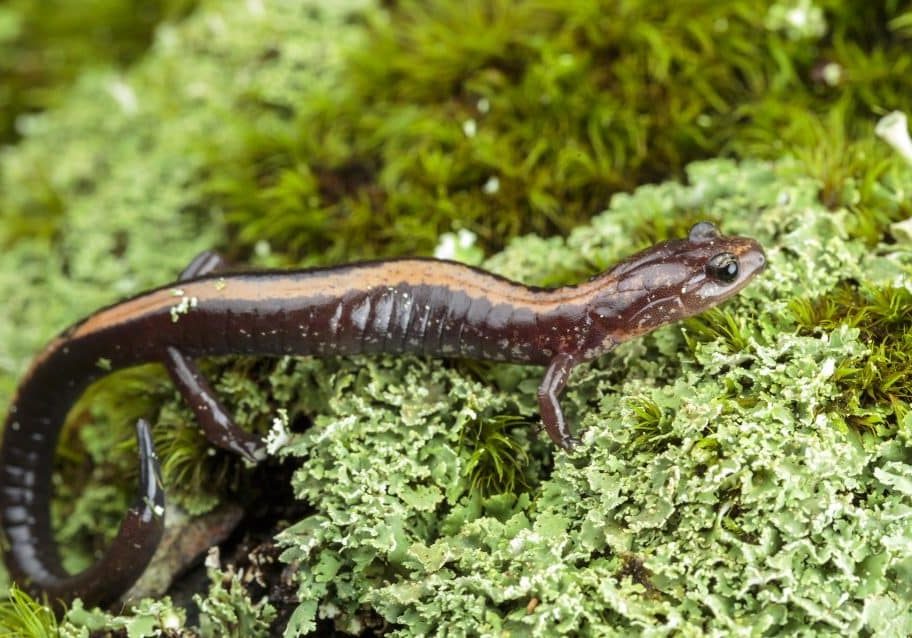
The Shenandoah Salamander
The Shenandoah salamander is a woodland salamander, which has adapted to life at higher elevations away from water. This sparkling rarity lives among the dry leaves, cracked logs, and stony hillocks on the highest peaks of Shenandoah National Park.

Leave a comment
Your email address will not be published. Required fields are marked *
Leave a Comment