

By Rachel Pressley
In August, the U.S. Department of the Interior released a report reviewing decisions made during Tennessee’s deadly Chimney Tops 2 Fire last fall and issuing future recommendations for the National Park Service and interagency fire community.
The Chimney Tops 2 Fire started in the Great Smoky Mountains National Park on Nov. 23, 2016, and led to an estimated $2 billion in damage. Due to extreme wind and drought conditions, the fire joined with other fires outside of the park in Sevier County and resulted in 134 injuries and 14 lives lost.
The report discusses poor staff availability due to the Thanksgiving holiday and restrictions that hindered radio communications with other agencies.
The report revealed many preparedness and planning weaknesses within the Great Smoky Mountains National Park and how climate change has led to a “new normal” of record-breaking drought conditions and increased presence of dry, flammable brush. National Park Service officials also said they did not expect the added danger of hurricane-force winds.
At a press conference, Chief Joe Stutler, a wildfire expert who leads the fire management for the National Park Service, said that there was no way for firefighting crews at the time to predict what the best decision would be, as the park had never seen fire conditions like this before.
The park plans to upgrade the department’s radio system communications and to issue portable radios and personal protective equipment to the seven neighboring fire departments. The report also includes recommendations for park leaders to reconsider fire suppression practices.
Related Articles
Latest News
More Stories
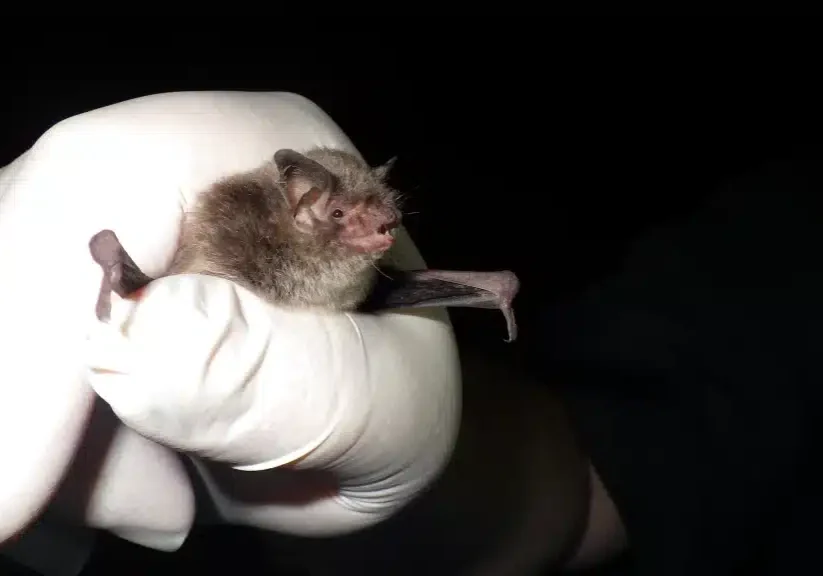
Signs of Life
In the Nantahala National Forest, a team of biologists spotted Indiana bats, an endangered species that hasn’t been seen in North Carolina for the last 11 years.

‘First Line of Defense’
During Hurricane Helene and its aftermath, rural fire departments and other first responder hubs played critical roles in keeping their communities safe, even without power and cut off from outside support for days or weeks after the storm. Two years later, plenty of work remains to ensure these hubs have the resources they need to operate day to day and be ready when emergencies or natural disasters strike.

The Rocky Road — and Bridge — to Recovery
Hurricane Helene is estimated to have damaged nearly 7,000 private roads and bridges in Western North Carolina. Two years later, many restoration projects are complete, but the journey hasn’t been easy — and isn’t over for others.
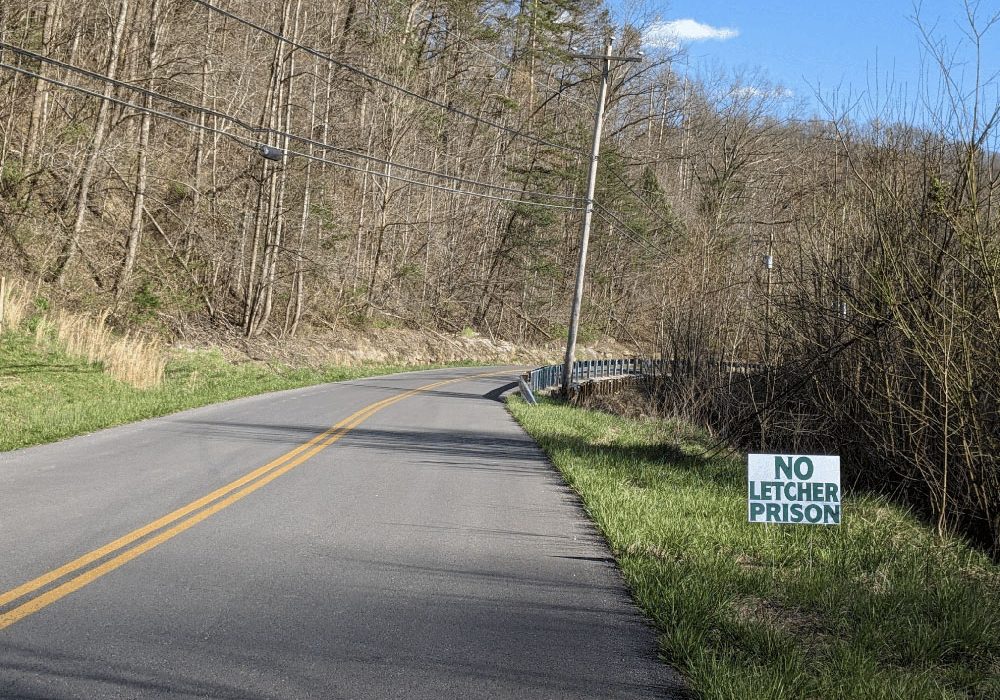
After 20 Years, Letcher County Prison Proposal Is Still Alive, Though Obstacles Remain
A $605 million proposal for a federal prison on a former strip mine site in Letcher County, Kentucky, championed by U.S. Rep. Hal Rogers, refuses to die, despite local opposition, a lack of support from the executive branch and numerous other obstacles.
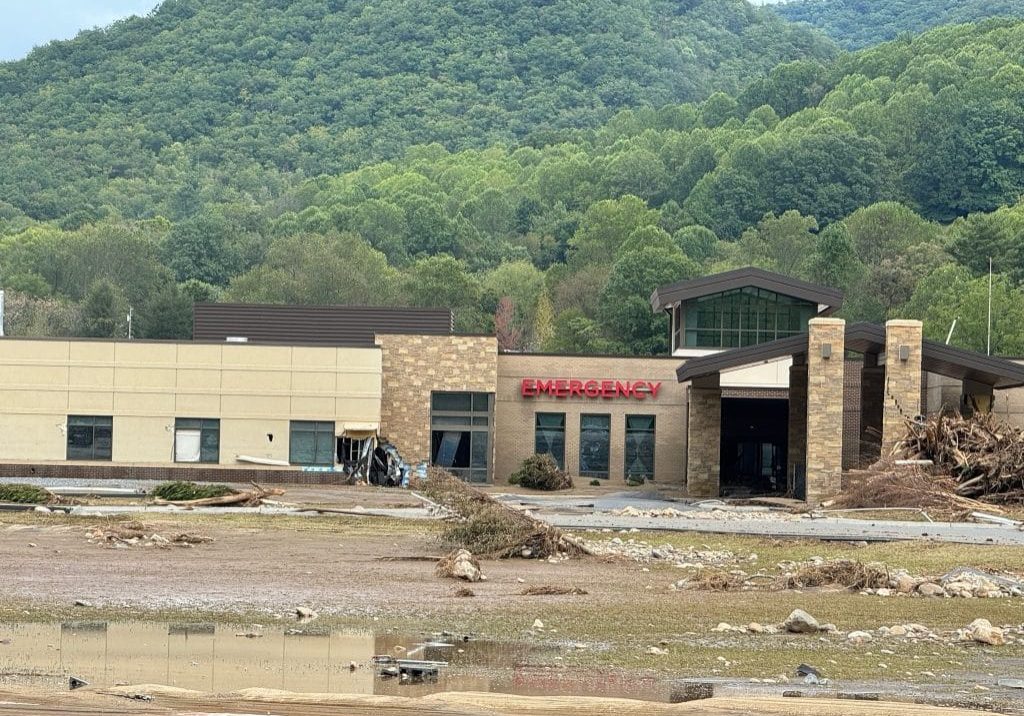
The Washout and Rebuild
For nearly two years, residents of Unicoi County, Tennessee, have had to make do without a hospital after Hurricane Helene destroyed the rural hospital. Ballad Health, which owns the hospital, broke ground on a new location — in another floodplain — in August 2026.

The Shenandoah Salamander
The Shenandoah salamander is a woodland salamander, which has adapted to life at higher elevations away from water. This sparkling rarity lives among the dry leaves, cracked logs, and stony hillocks on the highest peaks of Shenandoah National Park.

Leave a comment
Your email address will not be published. Required fields are marked *
Leave a Comment