

Grassroots Filmmaking in Appalachia
By Tom Hansell
Amazing documentaries come from the Appalachian region. From the Academy Award-winning Harlan County, U.S.A. to the recent premiere of The Last Mountain at the Sundance Film Festival, these mountains are full of compelling stories that have attracted documentary filmmakers from across the world.
A great source of homegrown documentaries from the Appalachian region is the Appalshop Media Arts Center in Whitesburg, Ky., where I have worked since 1990. Appalshop’s work provides an interesting model of how the arts can help create sustainable mountain communities.
I was drawn to documentary filmmaking because of my desire to make films that create a better future. My most recent project is titled After Coal: Welsh and Appalachian Mining Communities.
This documentary will examine how Welsh coal mining communities adapted after the nation’s mines were closed, and explore how Appalachian mining communities can learn from the Welsh experience to create a healthy economy.
In the planning phase of a project, there two simple ideas I use to maximize the impact of my work:“
1. Clearly state vision and goals
Although documentary is a visual medium, writing down a plan will help achieve that vision. It is important to clearly state what the project is about and where it will be seen when approaching people to interview or act as guides to locations. A short written description is a valuable tool that will help in finding funding and distributors for the project.
2. Create partnerships
Connecting with groups and organizations that have a stake in the people and issues of the project helps with fundraising and assists with distribution of the documentary.
Partners may be groups like the 13 members of The Alliance For Appalachia, local collectives like the Birdhouse in Knoxville, Tenn., or educational institutions such as local community colleges, schools, or universities.
Above all, I’ve realized that being true to the vision for the project and cultivating patience and perseverance helps create a better future for Appalachia and the world.
Learn more about the grassroots films of Appalachia at appalshop.org.
Related Articles
Latest News
More Stories
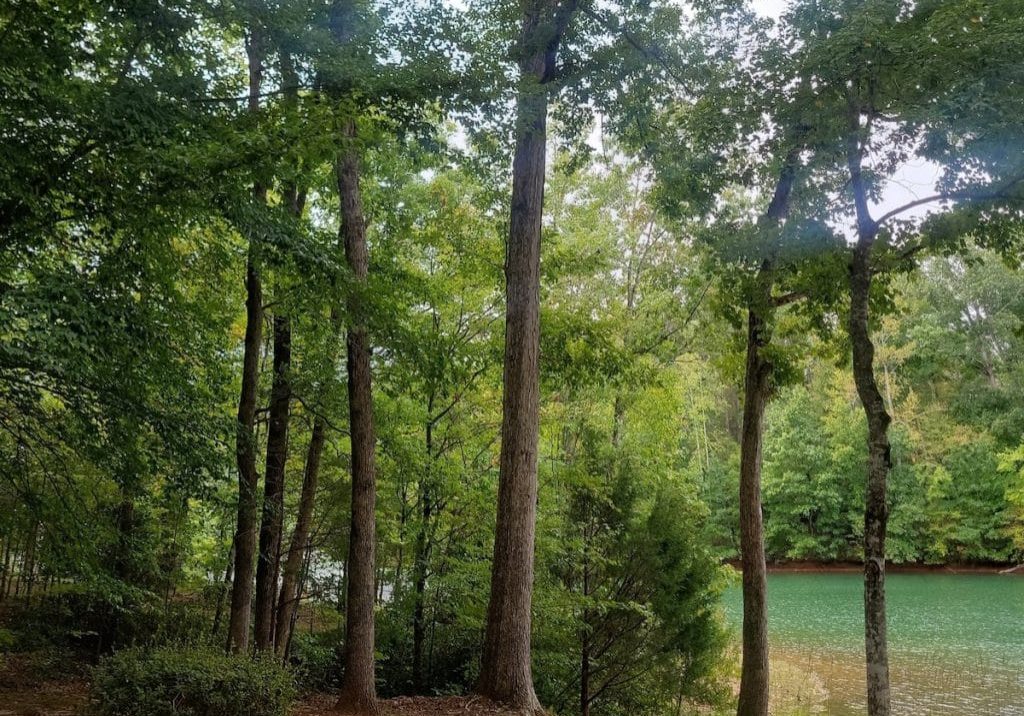
Planting for the Grandkids
Gardening from memory is getting trickier in Appalachia as hardiness zones change. Some areas, like parts of Asheville, Knoxville and Johnson City, have shifted full hardiness zones since 1990. An arborist explains what this shift means for the trees you plant this fall, and for the grandchildren who’ll live with them.
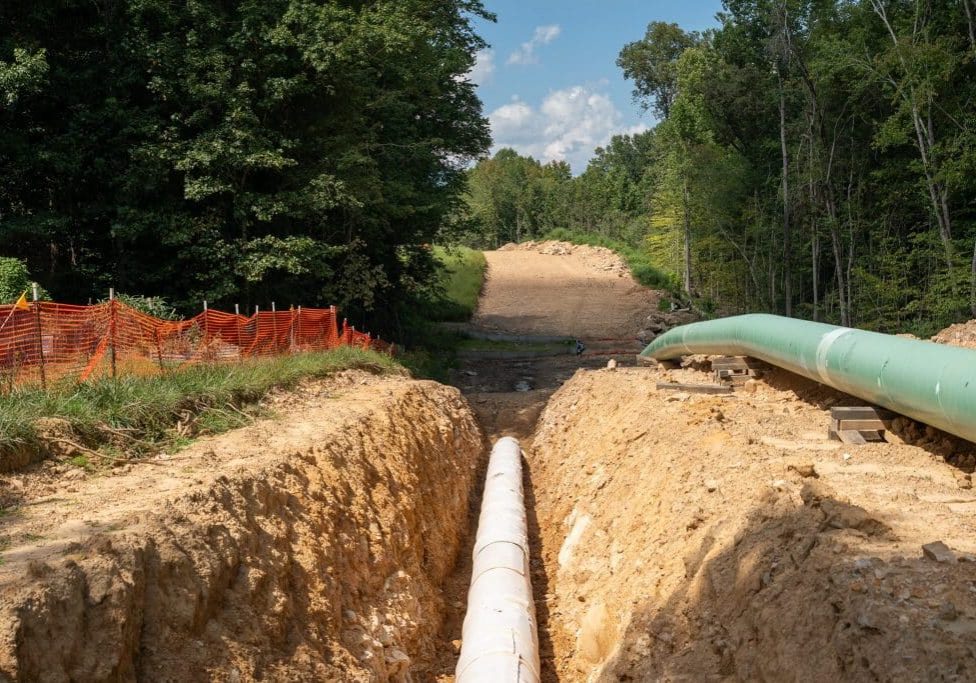
Ridgeline Pipeline Construction Impacts in Rural East Tennessee
Neighbors share concerns about noise, unpredictable construction schedules and other disruptions due to methane gas pipeline construction in East Tennessee.

Neighbors Help Neighbors
A photo essay that celebrates the volunteer spirit of the grassroots group Hurricane Helene WNC and speaks to the resourcefulness, collaboration and hard work embodied by thousands and thousands of volunteers, first responders and aid workers across the region after Hurricane Helene.

Halloween Approaches, and Night School Is in Session
The House of Art in Bluefield, West Virginia, looks like a haunted tower, making it the perfect location for its sixth annual haunt event: Night School. The Night School will be open every Friday and Saturday night through Oct. 31.

‘The Most Perfect Act of Love’
Hundreds of people attended the second annual Affirming Sumner Pride celebration on a 24-acre farm dubbed “Fruity Farm” in Bethpage, Sumner County, Tennessee.

Signs of Life: Endangered Bats Found in Nantahala for First Time in More Than a Decade
In the Nantahala National Forest, a team of biologists spotted Indiana bats, an endangered species that hasn’t been seen in North Carolina for the last 11 years.

Leave a comment
Your email address will not be published. Required fields are marked *
Leave a Comment