
Posts Tagged ‘Environment’
U.S. coal giant Alpha Natural Resources files for bankruptcy
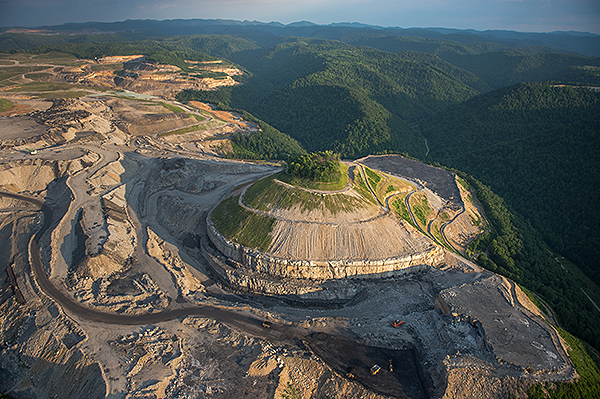
Alpha Natural Resources, one of the largest coal mining companies in the United States and a big player in the Appalachian coal market, filed for Chapter 11 bankruptcy on Monday of this week, blaming “an unprecedented period of distress with increased competition from natural gas, an oversupply in the global coal market, historically low prices due to weaker international and domestic economies, and increasing government regulation that has pushed electric utilities to transition away from coal-fired power plants.
Read MoreA moment of truth for Kentucky’s coal regulators

A striking case of corruption related to mine inspections in Kentucky led to the recent criminal conviction of former Democratic state representative Keith Hall. But questions remain about how deep the conspiracy goes. Will Governor Steve Beshear and the state agencies that enforce mining laws in Kentucky adequately investigate?
Read MoreGinseng’s growing role in the new Appalachian economy

Most people who live in the mountains know that just being here can have a healing effect on the soul. But not as many people know that many native plants have real medicinal properties. Growing and marketing those wild medicinal plants and herbs was the subject of a recent workshop offered by the group AppalCEED in Norton, Va.
Read MoreInterior Department Issues Draft Stream Protection Rule
Contact: Cat McCue, Communications Director, 434-293-6373, cat@appvoices.org Today, the U.S. Department of the Interior issued a long-awaited draft of the Stream Protection Rule, which the agency has been working on since 2010. The purpose of the rule is to prevent or minimize the impacts of surface coal mining on surface water and groundwater. The agency’s…
Read MoreHow much progress are we making on ending mountaintop removal?
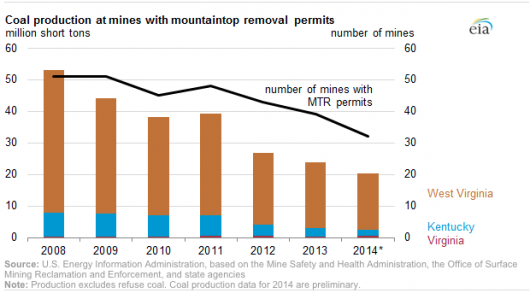
Last week, the U.S. Energy Information Administration pointed to a steep decline in coal produced by mountaintop removal mining. But
a closer examination of the data calls into question the adequacy of the legal definition of “mountaintop removal” and, more importantly, demonstrates that much more work is needed to truly end destructive mining practices in Central Appalachia.
Ison Rock Ridge and land ownership in Appalachia
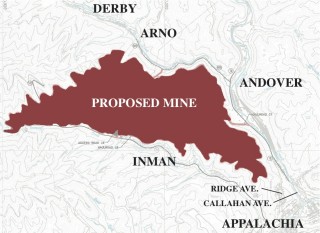
Earlier this summer, our friends at Southern Appalachian Mountain Stewards celebrated the defeat of a proposed mountaintop removal mine along Ison Rock Ridge in Southwest Virginia. But although the imminent threat of mining is past, the land on Ison Rock Ridge is still owned by an absentee landholding company in the business of leasing out tracts to coal operators for mountaintop removal.
Read MoreEIA: Mountaintop removal coal production down
The U.S. Energy Information Agency (EIA) published a blog post today showing that coal produced by mountaintop removal mining in Central Appalachia decreased by 62 percent between 2008 and 2014. Demand for Central Appalachian coal will continue to decline, making further progress inevitable. But we won’t end mountaintop removal by relying on the market alone.
Read More“It’s just vitamins!” Industry confuses residents on coal ash safety

Duke Energy and the N.C. Department of Environment and Natural Resources continue to confound and confuse families that have the unfortunate luck of living in close proximity to the utility’s coal ash lagoons. So citizens and county officials are stepping in to help residents air their frustrations and, hopefully, to receive some answers.
Read MoreA time of transition: APCo’s latest Virginia generation plan

It’s like Christmas in July, at least for those of us who get excited about energy news. On Wednesday Virginia’s utilities released their long-term plans to meet demand. Here we unwrap that bright shiny package for a look at what Appalachian Power is pursuing between now and 2029.
Read MoreSupreme Court delivers blow to EPA’s mercury rule
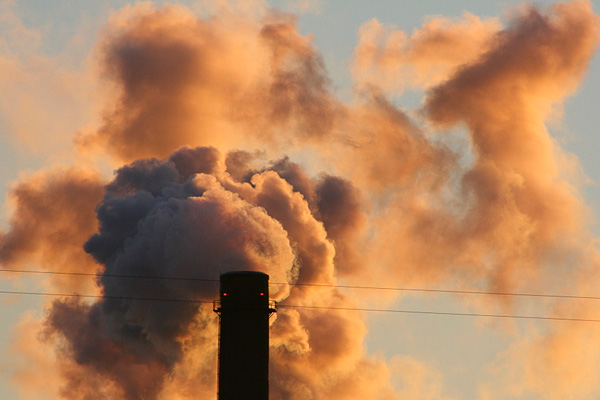
In a major decision today, the Supreme Court ruled the U.S. Environmental Protection Agency did not properly consider costs when it created a rule to limit mercury emissions from power plants. But the agency has a mandate and a clear path forward to protect public health by limiting emissions of mercury and other toxic air pollutants.
Read More