
All Posts
A winning approach for the Clean Power Plan in Virginia
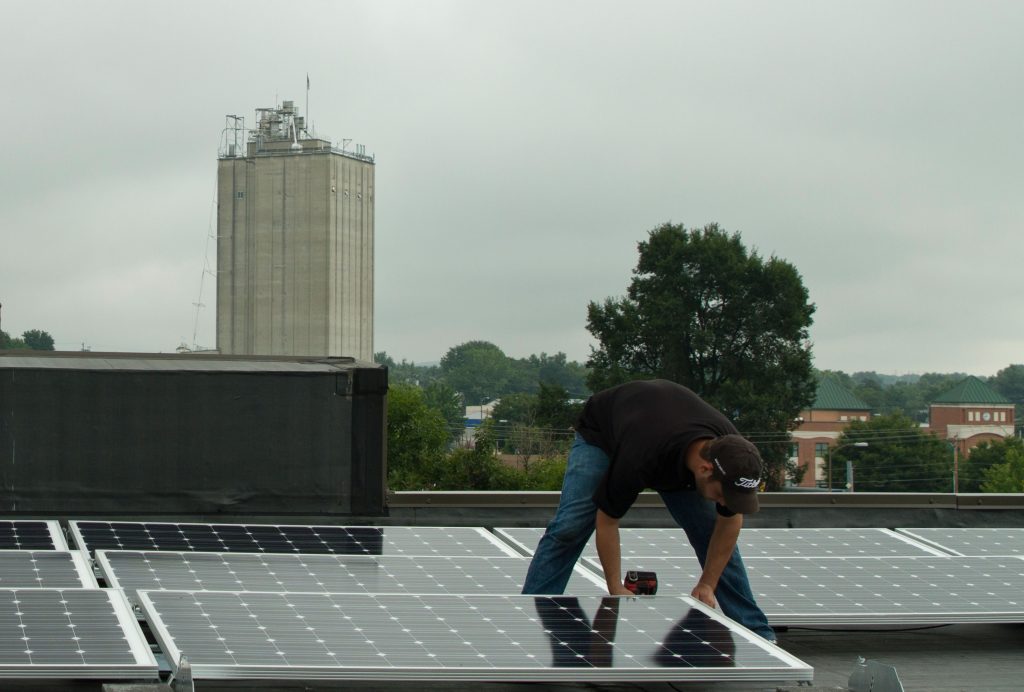
A new study shows that, in complying with the federal Clean Power Plan, Virginia should prioritize renewable energy and energy efficiency and allow for participation in carbon trading with other states in order to boost economic activity, cut electricity costs, and safeguard healthy air. Such an approach could yield more than $25 million a year for economic development efforts in Southwest Virginia.
Read MoreNorth Carolina’s reckless approach to the Clean Power Plan: Part 3
By 2020, and without making any changes, North Carolina will likely be 80 percent of the way toward meeting the federal goal for cutting carbon pollution. But it would miss out on a momentous opportunity to leverage the Clean Power Plan for job growth and helping lower-income families. Rather than resist the EPA, our state leaders should step up and position the Tar Heel state as a clean energy leader.
Read MoreNorth Carolina’s reckless approach to the Clean Power Plan: Part 1
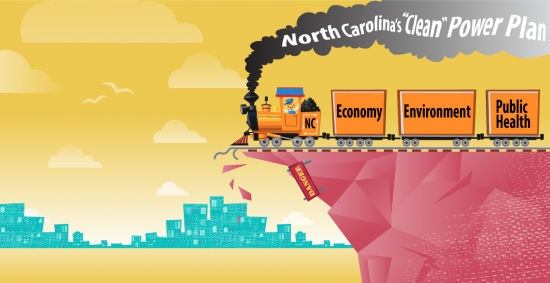
North Carolina’s elected leaders and agency officials, with little say from the citizens they represent, have placed us on a reckless course in regard to our future energy mix and our ability as a state to determine that future. But together we can change that.
Read MoreCoal, Congress and the art of lying
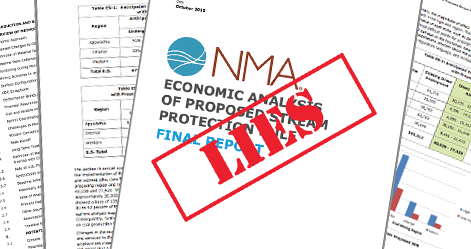
It’s amazing how much work goes into stretching the truth. It’s even more amazing when media outlets and political leaders latch onto that “truth” and peddle it without scrutiny. A recent and relevant example: an economic impact analysis of the Stream Protection Rule, commissioned by the National Mining Association.
Read MoreBleak outlook for coal in 2016
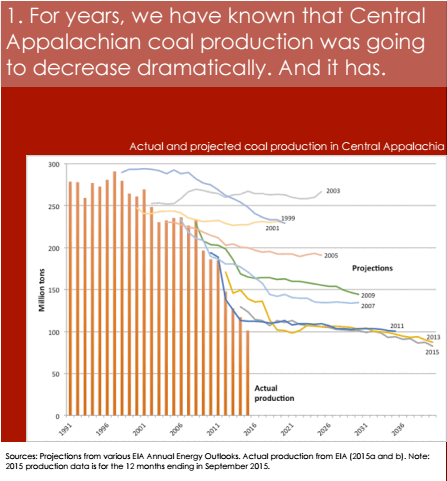
After the dismal year coal had in 2015, more hard times for the industry are ahead. Nowhere is the struggle more real than in Central Appalachia. A new white paper from Downstream Strategies tells the story of Appalachian coal over the past few decades in five simple charts.
Read MoreCoal’s death knell in Kentucky

The final months of 2015 may prove to be a historic moment for Kentucky’s politics and the state’s struggling coal industry. But it remains to be seen how the industry will maintain its political power in the Bluegrass State.
Read MoreCitizens deserve explanation of changes to coal ash classification draft
Earlier today, the North Carolina Department of Environmental Quality (DEQ) released its Draft Proposed Impoundment Classification that, when finalized, will determine the closure timelines coal ash sites across the state. Below is a response from Appalachian Voices’ Amy Adams to the DEQ report, which includes significantly weaker recommendations than those in an earlier draft leaked…
Read MoreBudget holds promise for Central Appalachia
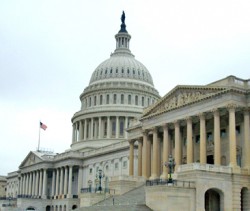
Today the U.S. Congress passed a spending bill that covers expenditures for agencies including the U.S. Environmental Protection Agency, Department of the Interior, Department of Labor, and the Appalachian Regional Commission. The spending bill is a big deal for Appalachian Voices and our work. And honestly, it looks pretty darn good.
Read MoreWhat to expect for Virginia’s energy policy in 2016
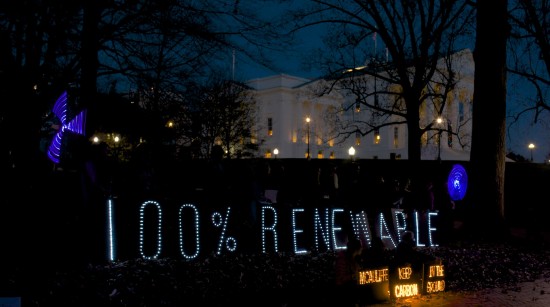
Around this time of year, we usually offer a legislative preview, looking ahead at the issues that will arise in the upcoming session of the Virginia General Assembly. Recent events relate to some of those possible energy policy changes, thickening the plot and making this session one worth engaging in — especially for customers of Appalachian Power Company.
Read MoreHelp protect North Carolina’s forest wilderness

More than 50 years after the Wilderness Act was signed into law, less than one third of one percent of North Carolina’s land area has been protected as wilderness. The U.S. Forest Service is revising its plan for the Pisgah and Nantahala Forests, and is seeking public comment to help determine the future of some beloved places in the state.
Read More