
Written by Abby Hassler


Abby Hassler
Abby is a digital storyteller who grew up in East Tennessee and joined the communications team in December 2024. Before coming to Appalachian Voices, she spent ten years in strategic communications, academia and journalism. Recent roles include the Director of Creative Strategy of a strategic communications firm focused on clean energy, clean tech and economic development, and Executive Producer of a podcast about clean energy news in Tennessee.
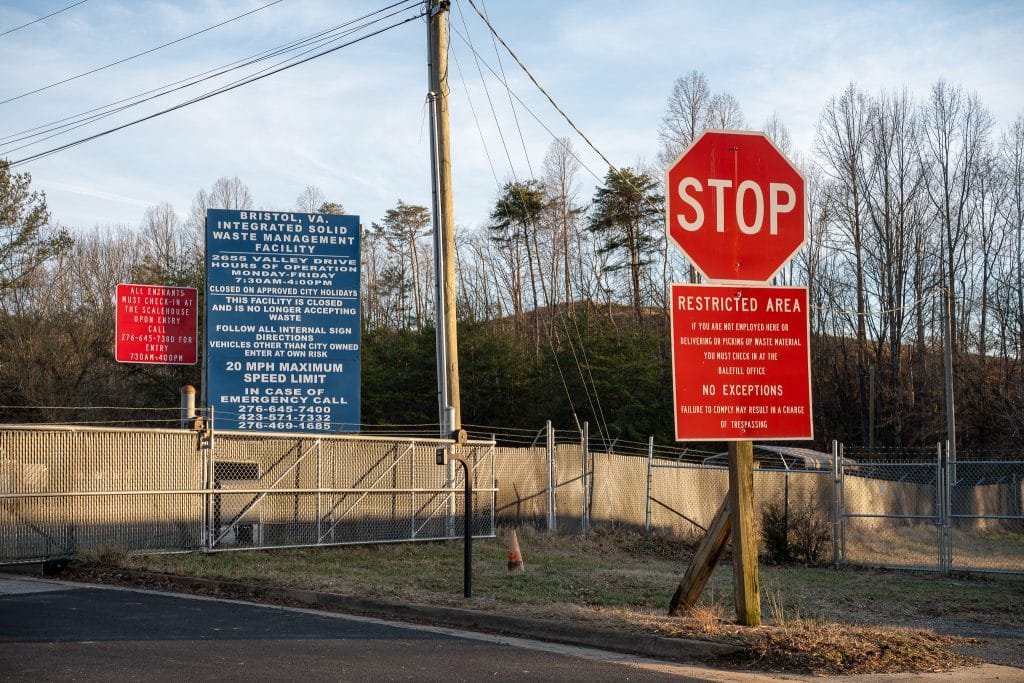
The Beast of Bristol Saga Continues
The Beast of Bristol is back. Or rather, the landfill’s impact and its intense odors, which have grown less frequent but never fully dissipated for some residents, have been recognized in a new federal public health agency report.
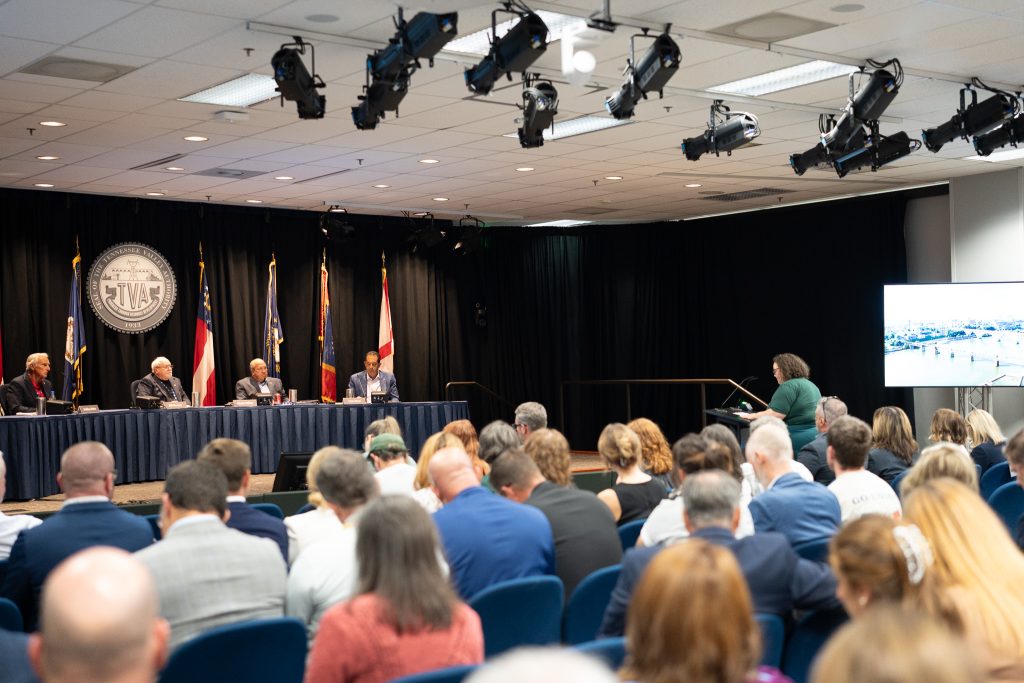
What’s next for TVA?
After months of turmoil on its board of directors, TVA’s newly sworn-in board immediately voted to keep its coal plants in operation, eliminate goals around renewable energy and equity, inclusion and diversity, and approve additional power for Elon Musk-affiliated data centers in Memphis.
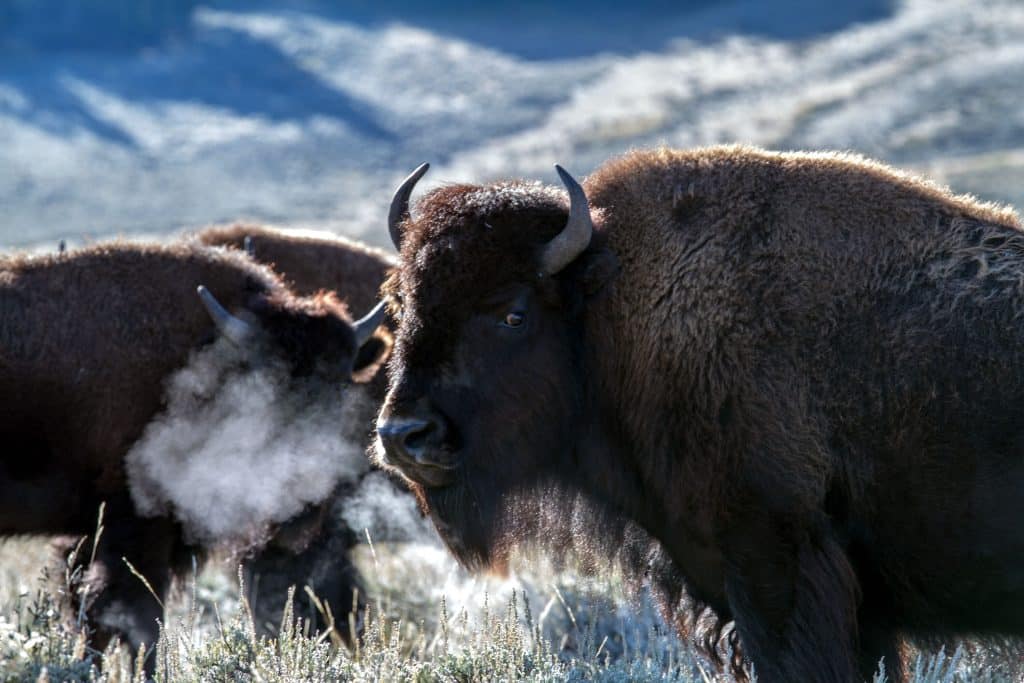
Home on the Range … In Appalachia?
Many people believe wild bison have only ever lived and roamed in Yellowstone National Park or the vast open spaces depicted in Western films. Yet, Indigenous and archaeological records indicate that bison were found in nearly every state of what is now the United States — sorry, Hawaii — including in Appalachia. In Letcher County, Kentucky, the Appalachian Rekindling Project, an Indigenous, women-led organization, is seeking to reintroduce bison to the region on 63 acres of a reclaimed mountaintop removal coal mine.
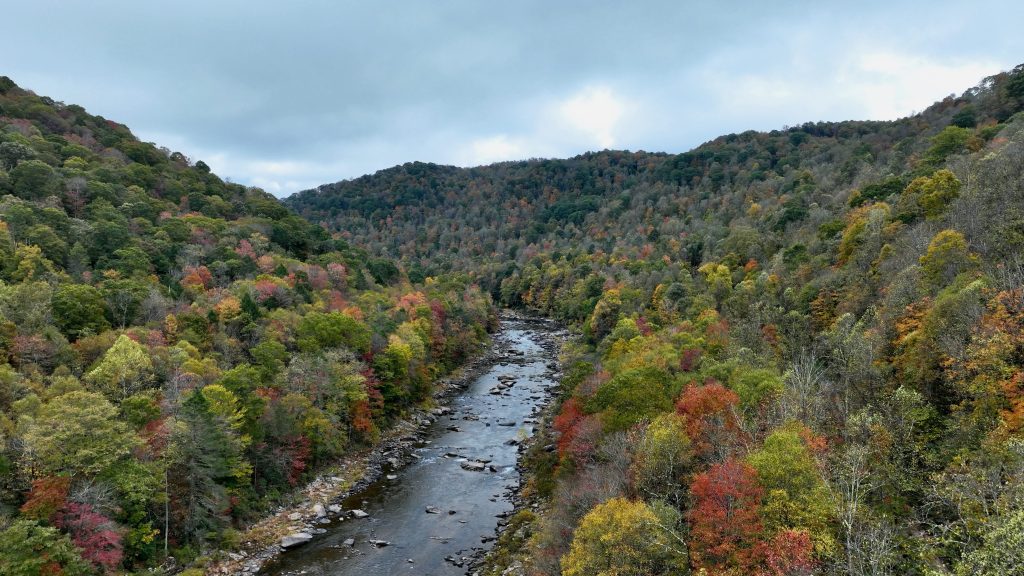
Saving 5 Miles on the Gauley River
Arc of Appalachia, an Ohio-based nonprofit, launched a campaign to purchase and protect 1,336 acres in Nicholas County, West Virginia. The property includes 5 miles along the Gauley River and 1 mile of Big Beaver Creek.
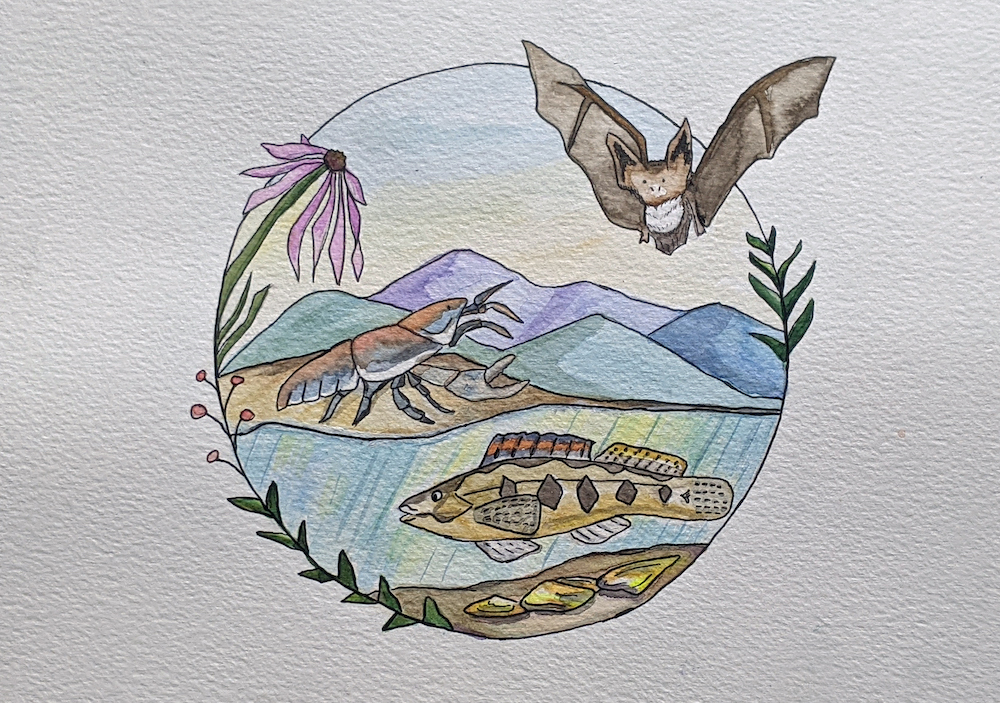
‘Extinction is Forever’
Conservationists are concerned about the Trump administration’s attacks on the Endangered Species Act. From the Eastern hellbender to the Carolina northern flying squirrel, many of Appalachia’s most beloved creatures and plants could be at increased risk.

Low-income energy assistance program weathers a bumpy year
For decades, LIHEAP has provided utility assistance to an estimated six million Americans each year, helping families and individuals stay safe and warm during the brutally cold winter months. But this important, bipartisan federal assistance program has faced numerous attacks and uncertainty in recent months, threatening its long-term viability.
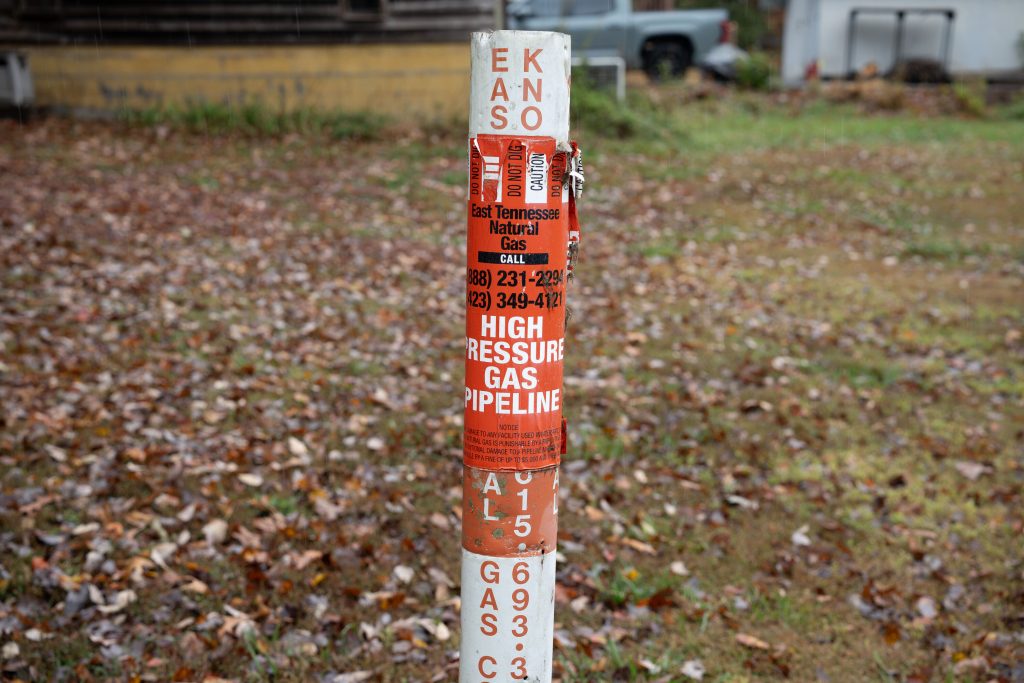
Feeling Powerless on Their Own Property
Many landowners, neighbors and community advocates are contending with the massive buildout of methane gas — dubbed “natural gas” by the fossil fuel industry — in Tennessee. This huge increase in gas infrastructure is driven in large part by the Tennessee Valley Authority.

In ‘All These Ghosts,’ Silas House Explores ‘Timesickness,’ Deep Grief, Hope in Dark Times
In his first full-length poetry collection, “All These Ghosts,” Silas House, an award-winning Appalachian author and former poet laureate of Kentucky, grapples with deep personal grief and “timesickness,” or the deep longing for a time, place or spiritual state that no longer exists.

Navigating Long-Term Hurricane Helene Recovery: A Day-in-the-Life of a Disaster Case Manager in Cocke County, Tennessee
Chrissy Miller is a disaster case manager in Cocke County, Tennessee, who helps survivors of Hurricane Helene access resources, fulfill unmet needs, develop recovery plans and try to make sense of difficult situations. For Miller, who was also impacted by the storm, it’s hard to rein in the scope of her work.
![“The hooded warbler is what I call my spark bird, which is [the bird that] gets you into birding,” Fox says. “You see a bird, and it gets you wondering what it is, and then suddenly you discover there's this whole world of birds that you didn't know about.” Photo by Kelly Fox](https://appvoices.org/wp-content/uploads/2025/10/HoodedWarbler-1024x682.jpg)
Spotting Fall Warblers at Seven Islands State Birding Park
Birding enthusiasts may be able to spot these 36 New World warbler species at Seven Islands State Birding Park in Kodak, Tennessee, this fall migration season.