

Harnessing Solar in Appalachia
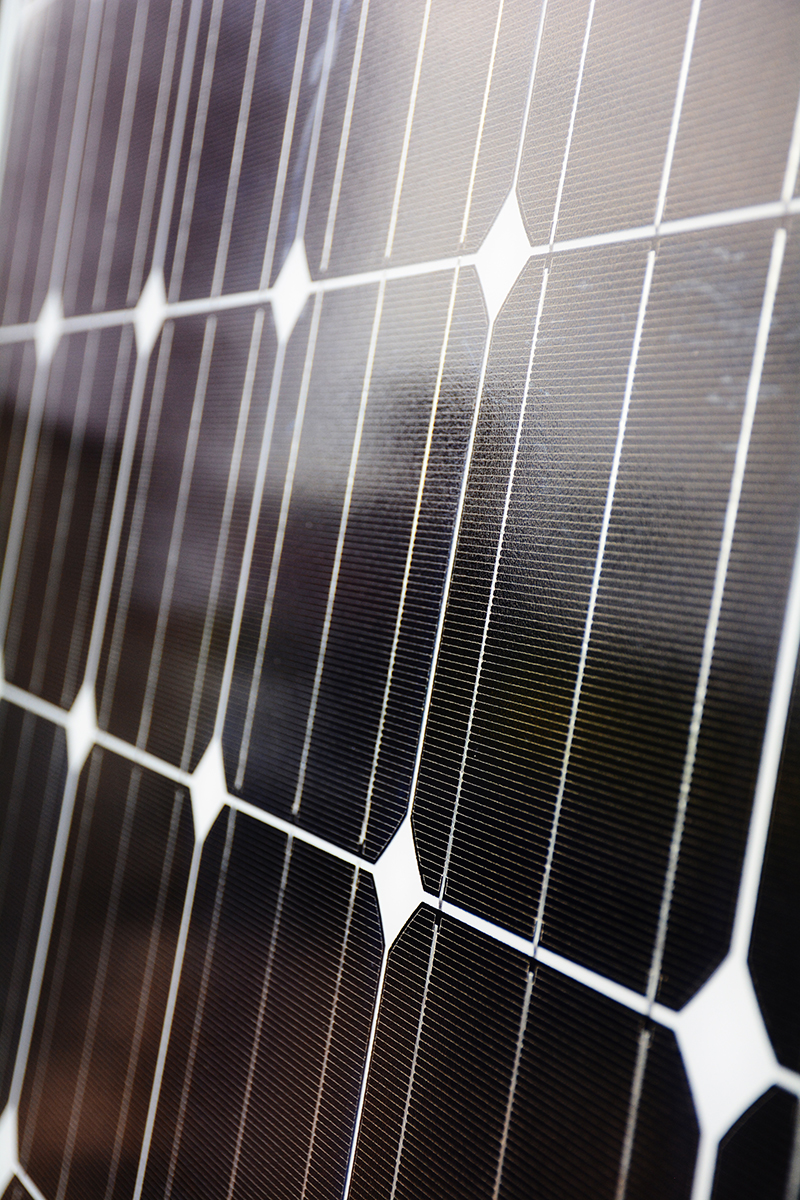
Photo by Jimmy Davidson
The United States is in the midst of a solar boom. The Solar Energy Industries Association reported a 97 percent increase in solar installations in 2016 compared to 2015. But as other states take advantage of solar, much of Appalachia is left in the dark with legislation that limits solar expansion. Even within Appalachian states, solar development can be clustered in flatter counties with less shade and higher concentrations of homes and businesses.
In the Solar Energy Industries Association’s latest ranking of existing solar capacity by state, North Carolina came in second and Georgia in ninth. While solar-friendly policies helped put these states in the top 10, there are still significant obstacles.
For instance, many states restrict third-party ownership of solar panels, meaning it would be difficult or even illegal for a group of people to install a shared solar array. Another option for home or business owners is to install solar panels themselves, but that can be a costly option for those living in areas without supportive policies or group-buying options.
“The biggest barriers to solar in Virginia are monopoly utilities and electric cooperatives that are blocking market access to the technology,” says Aaron Sutch, program director of solar cooperative Virginia Solar United Neighborhoods. “The utilities like big solar. They don’t want it on people’s roofs, they don’t want you to own it — but they love to put these big solar fields in there.”
The majority of solar power in Appalachia is run by utility companies. And while large solar farms have environmental benefits, Sutch says that they often don’t benefit the communities in which they are built, as the power is usually sold wholesale onto a regional transmission grid.
“You can almost think of it like a big farm that, instead of selling its produce to a local community, says, ‘no way, I’m going to sell all of my produce to this big Wal-Mart or Amazon warehouse that’s regional,’” Sutch says.
But Gil Hough, renewable energy manager of Restoration Services, Inc., in Tennessee, says that installing solar is good regardless of who does it. “It’s inherently a good thing to do,” Hough says. “Reducing carbon, reducing use of water — it’s an environmentally more responsible source.” On the following pages, we take a deeper look at how Appalachian residents are working to make solar power a part of their everyday lives.
Related Stories
- Intro: Harnessing Solar in Appalachia
- Seeking Opportunities in Solar
- Rules of the Solar Game: Policies can create a level playing field or stack the deck
- Former Coal Company Town Integrates Energy Efficiency and Solar
- College Solar Vehicle Teams Drive Sustainable Transport Forward in Region
- Unique Solar Applications
Related Articles
Latest News
More Stories

‘First Line of Defense’
During Hurricane Helene and its aftermath, rural fire departments and other first responder hubs played critical roles in keeping their communities safe, even without power and cut off from outside support for days or weeks after the storm. Two years later, plenty of work remains to ensure these hubs have the resources they need to operate day to day and be ready when emergencies or natural disasters strike.

The Rocky Road — and Bridge — to Recovery
Hurricane Helene is estimated to have damaged nearly 7,000 private roads and bridges in Western North Carolina. Two years later, many restoration projects are complete, but the journey hasn’t been easy — and isn’t over for others.
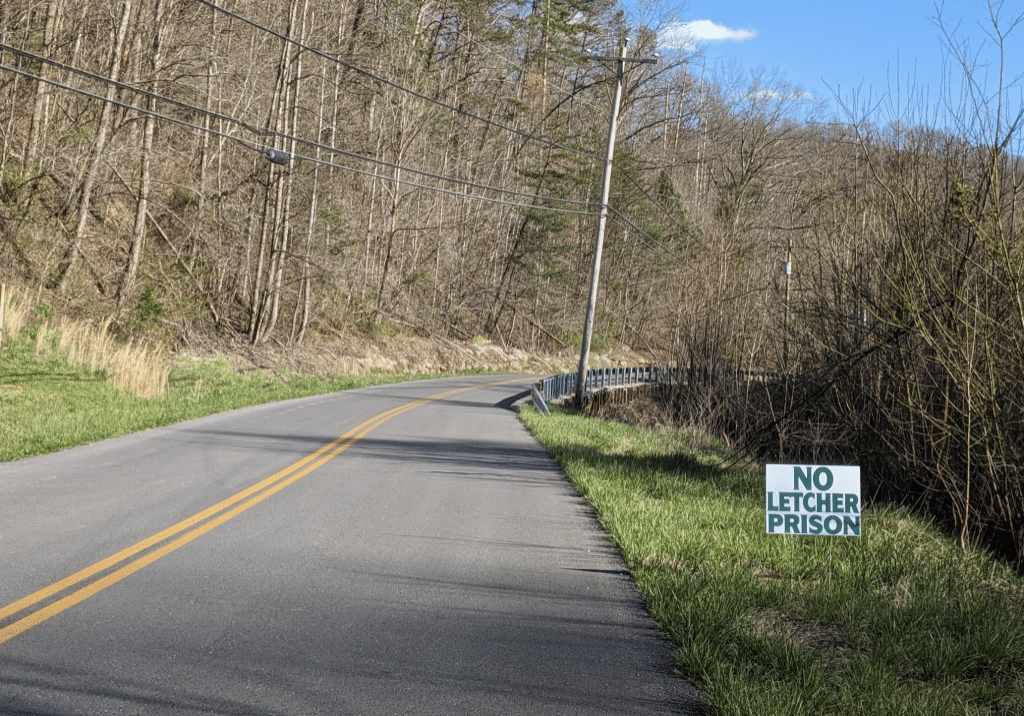
After 20 Years, Letcher County Prison Proposal Is Still Alive, Though Obstacles Remain
A $605 million proposal for a federal prison on a former strip mine site in Letcher County, Kentucky, championed by U.S. Rep. Hal Rogers, refuses to die, despite local opposition, a lack of support from the executive branch and numerous other obstacles.
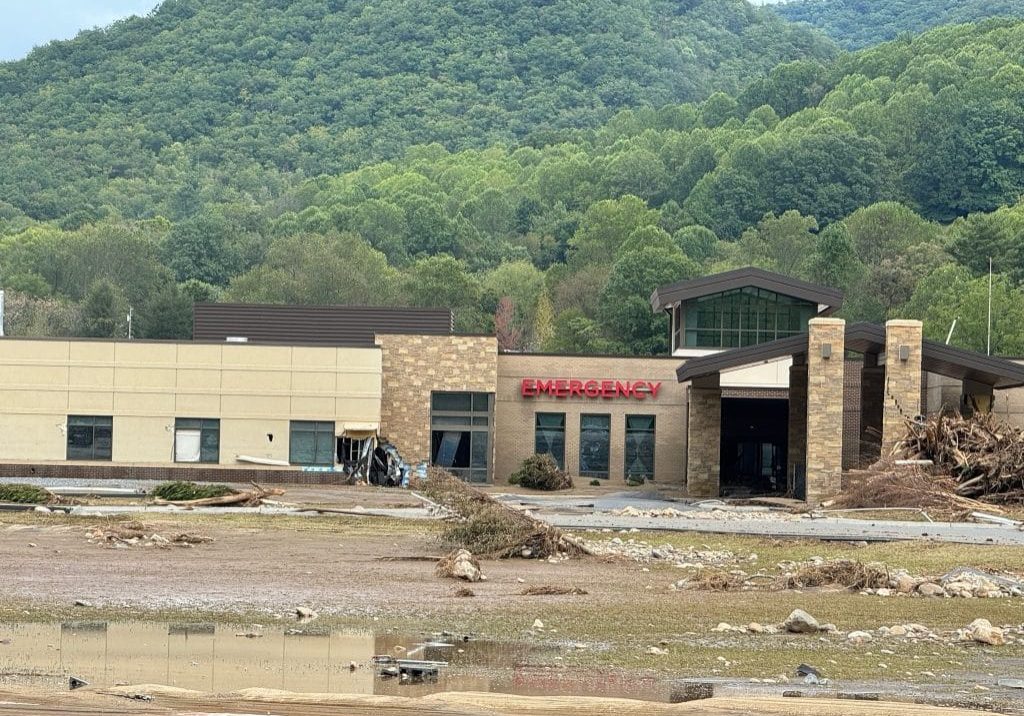
The Washout and Rebuild
For nearly two years, residents of Unicoi County, Tennessee, have had to make do without a hospital after Hurricane Helene destroyed the rural hospital. Ballad Health, which owns the hospital, broke ground on a new location — in another floodplain — in August 2026.

The Shenandoah Salamander
The Shenandoah salamander is a woodland salamander, which has adapted to life at higher elevations away from water. This sparkling rarity lives among the dry leaves, cracked logs, and stony hillocks on the highest peaks of Shenandoah National Park.
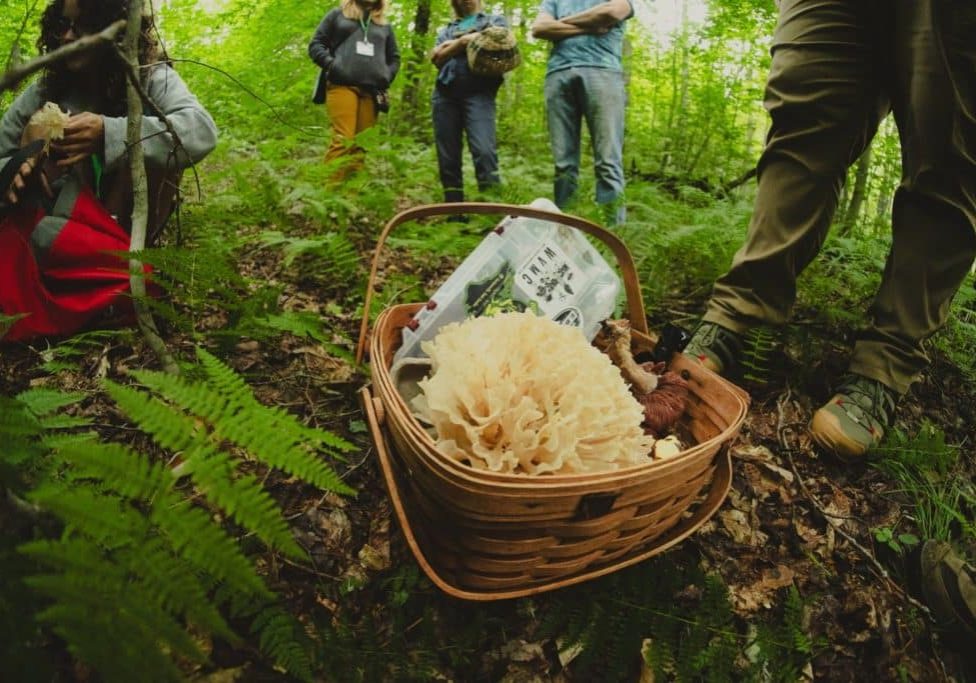
‘Foraging Is a Way of Connecting’
Foraging has experienced a modern resurgence, partly because of social media, online groups, the pandemic and people wanting to connect with nature. It also builds community, whether in person or online.

Leave a comment
Your email address will not be published. Required fields are marked *
Leave a Comment