

Patricia Beaver: Pioneer Appalachian Scholar Retires
By Rachel Ellen Simon
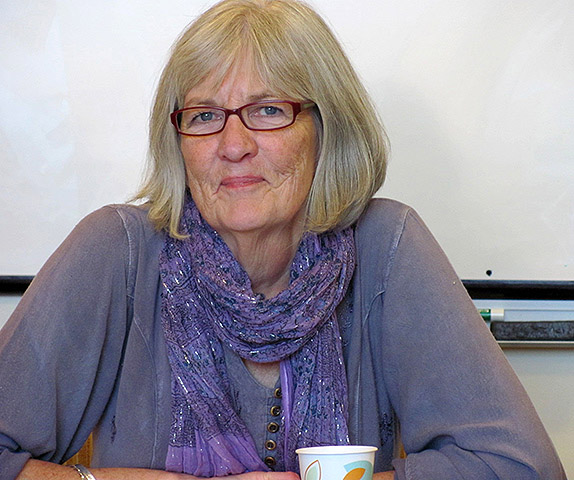
Photo by Sandra Ballard
Patricia Beaver may not be a household name in all circles, but mention her name in a group of Appalachian scholars, and everyone will have a story to share. Beaver has been a leading scholar in the field of Appalachian Studies for over four decades. With a doctorate in anthropology from Duke University, Beaver has focused her studies on the influence of gender, class and ethnicity on social structure in both Appalachia and China.
Beaver is an advisor on “After Coal,” a documentary film project started in 1974 as one of the first initiatives to draw parallels between Appalachia and other mountain regions around the world. The ongoing project engages members of Welsh and Appalachian coalfield communities, encouraging dialogue and reflection on their respective pasts, visions for the future, and how each region can learn from the other.
Beaver also served as project director of the federally-funded Appalachian Land Ownership Study, a groundbreaking survey published in 1983 that detailed the overwhelming amount of absentee land ownership across Appalachia.
Until her retirement in December 2013, Beaver directed the Center for Appalachian Studies at Appalachian State University for 20 years, leading the center in its multi-disciplinary and regionally focused programs.
27 Visionaries
READ THEIR STORIES
In his recent writing project on coal mining, North Carolina Poet Laureate Joseph Bathanti dedicated one poem to Beaver, but he declared that “She deserves a thousand poems in her honor.” Many in the Appalachian Studies field would surely agree.
Related Articles
Latest News
More Stories

‘First Line of Defense’
During Hurricane Helene and its aftermath, rural fire departments and other first responder hubs played critical roles in keeping their communities safe, even without power and cut off from outside support for days or weeks after the storm. Two years later, plenty of work remains to ensure these hubs have the resources they need to operate day to day and be ready when emergencies or natural disasters strike.

The Rocky Road — and Bridge — to Recovery
Hurricane Helene is estimated to have damaged nearly 7,000 private roads and bridges in Western North Carolina. Two years later, many restoration projects are complete, but the journey hasn’t been easy — and isn’t over for others.
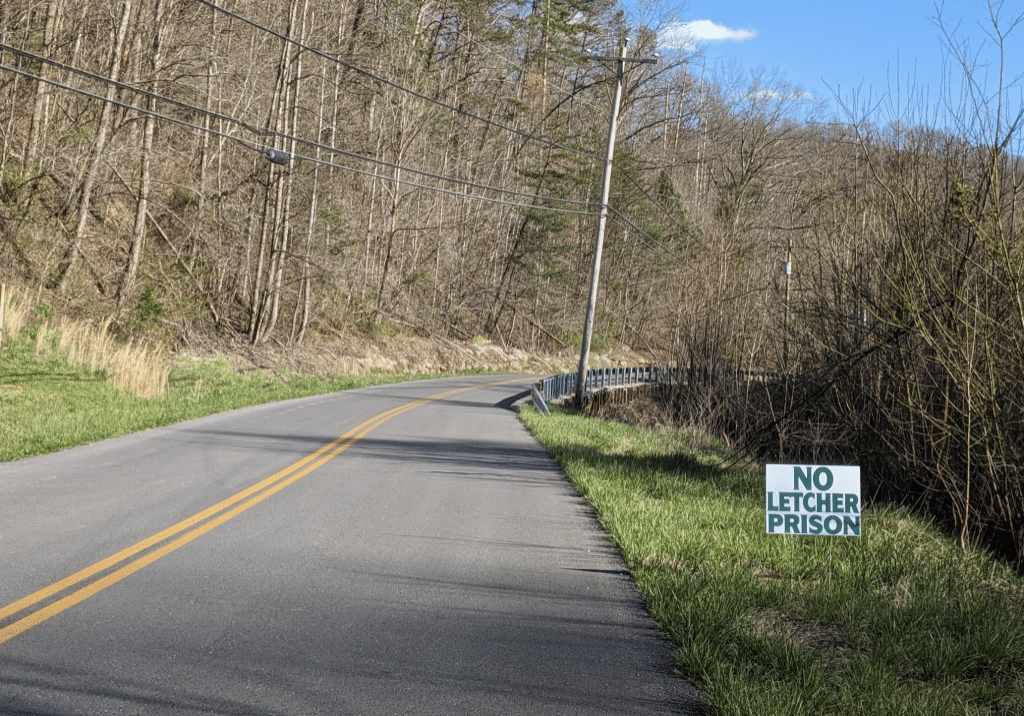
After 20 Years, Letcher County Prison Proposal Is Still Alive, Though Obstacles Remain
A $605 million proposal for a federal prison on a former strip mine site in Letcher County, Kentucky, championed by U.S. Rep. Hal Rogers, refuses to die, despite local opposition, a lack of support from the executive branch and numerous other obstacles.
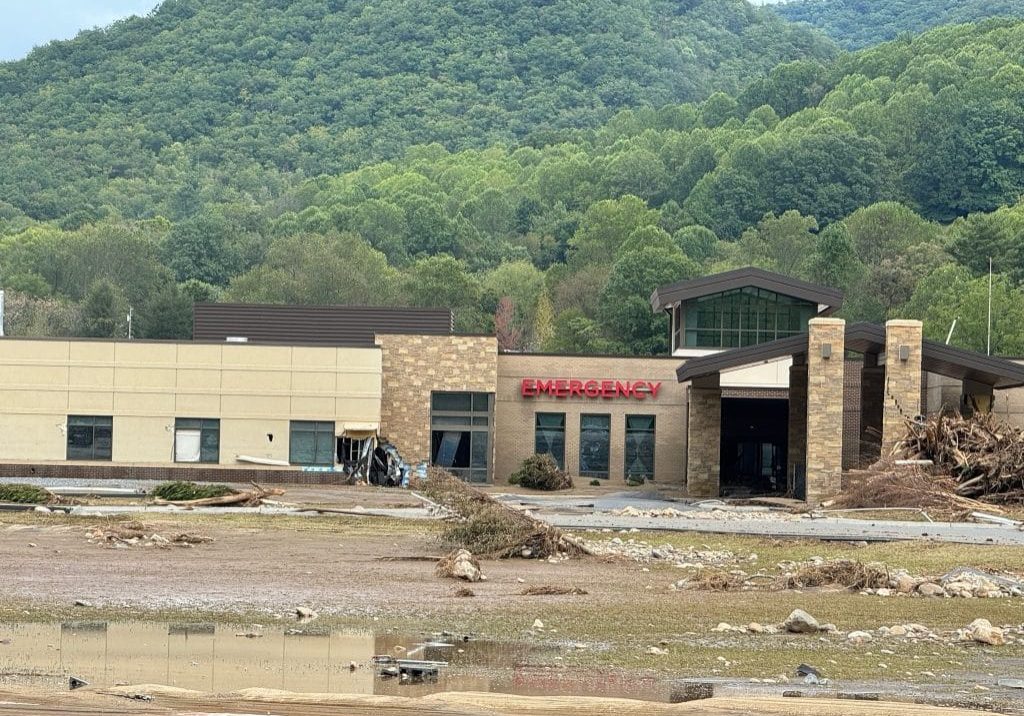
The Washout and Rebuild
For nearly two years, residents of Unicoi County, Tennessee, have had to make do without a hospital after Hurricane Helene destroyed the rural hospital. Ballad Health, which owns the hospital, broke ground on a new location — in another floodplain — in August 2026.

The Shenandoah Salamander
The Shenandoah salamander is a woodland salamander, which has adapted to life at higher elevations away from water. This sparkling rarity lives among the dry leaves, cracked logs, and stony hillocks on the highest peaks of Shenandoah National Park.
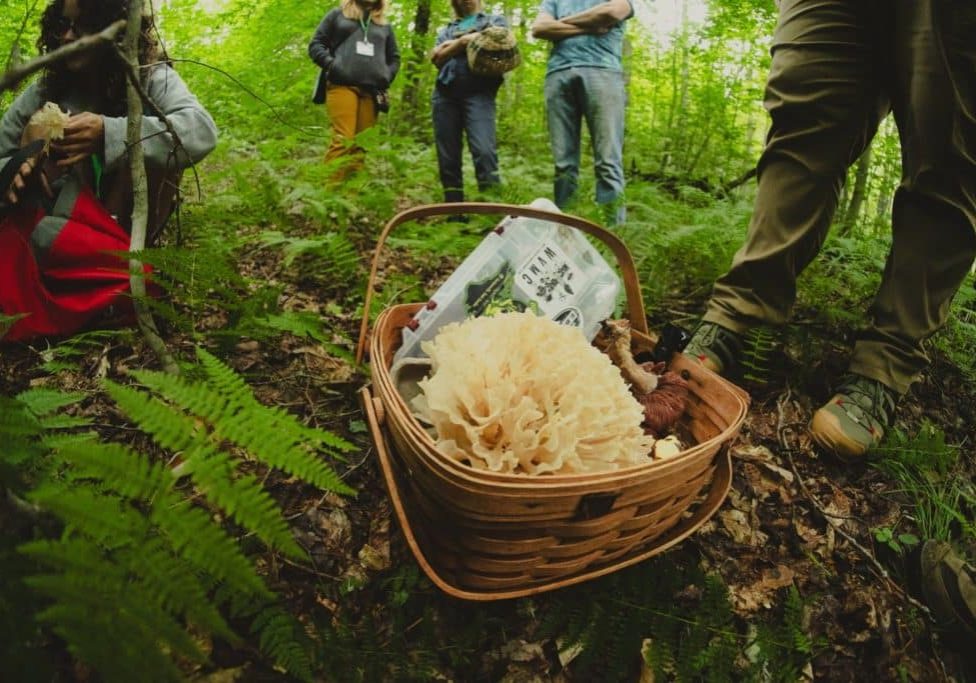
‘Foraging Is a Way of Connecting’
Foraging has experienced a modern resurgence, partly because of social media, online groups, the pandemic and people wanting to connect with nature. It also builds community, whether in person or online.

Leave a comment
Your email address will not be published. Required fields are marked *
Leave a Comment