

Appalachian State Student Government Passes Climate Neutrality Bill
On March 12, in the lead-up to the Global Youth Climate Strike, the Student Government Association at Appalachian State University in Boone, N.C., unanimously voted in favor of a bill calling for the university to pursue climate neutrality by 2025. “Climate neutrality” refers to having a net-zero impact on greenhouse gas emissions.
If the policy is adopted by university administration, it would accelerate the university’s existing climate neutrality commitment by 25 years and put Appalachian State in the ranks of more than 100 universities in the United States committed to climate or carbon neutrality prior to 2030.
The act would commission a Climate Neutrality Working Group comprised of university and community members to develop a plan to achieve the goal, mandate energy efficiency measures, and implement a 100 percent renewable energy purchasing agreement. Along with necessary financial and institutional measures, the bill outlines an internal carbon price, financial support and mechanisms for oversight and accountability.
Student Government Association Senator Devin Mullins drafted the bill with the Appalachian Climate Action Collaborative, a campus organization, in hopes that it would make the university and community stronger and serve as a model for the rest of the state. The bill was sponsored by academic departments, Greek life organizations, Chancellor’s scholars and several campus clubs who filled the student government meeting room to capacity.
Next, the collaborative intends to bring a climate neutrality resolution to the Faculty Senate and build partnerships with the local group Climate Transition Blue Ridge and with related organizations across the state. — By Natalie Lunsford
Related Articles
Latest News
More Stories
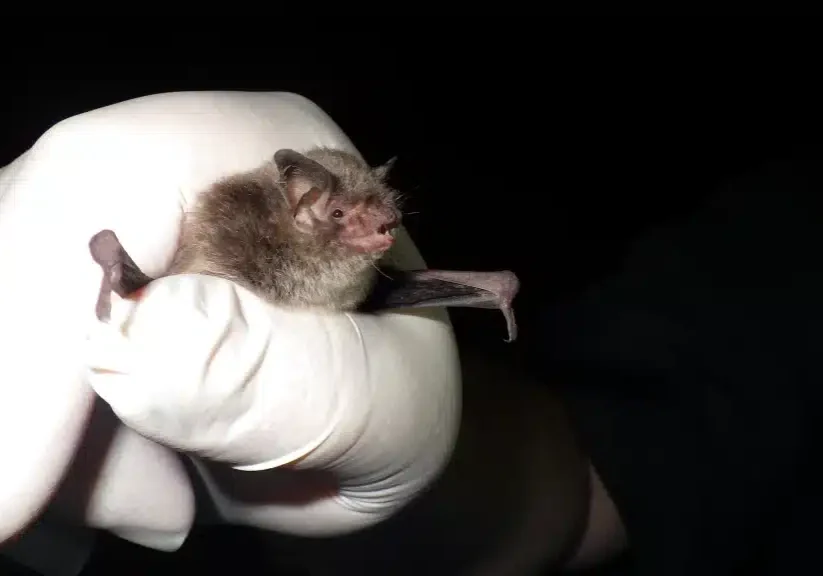
Signs of Life
In the Nantahala National Forest, a team of biologists spotted Indiana bats, an endangered species that hasn’t been seen in North Carolina for the last 11 years.

‘First Line of Defense’
During Hurricane Helene and its aftermath, rural fire departments and other first responder hubs played critical roles in keeping their communities safe, even without power and cut off from outside support for days or weeks after the storm. Two years later, plenty of work remains to ensure these hubs have the resources they need to operate day to day and be ready when emergencies or natural disasters strike.

The Rocky Road — and Bridge — to Recovery
Hurricane Helene is estimated to have damaged nearly 7,000 private roads and bridges in Western North Carolina. Two years later, many restoration projects are complete, but the journey hasn’t been easy — and isn’t over for others.
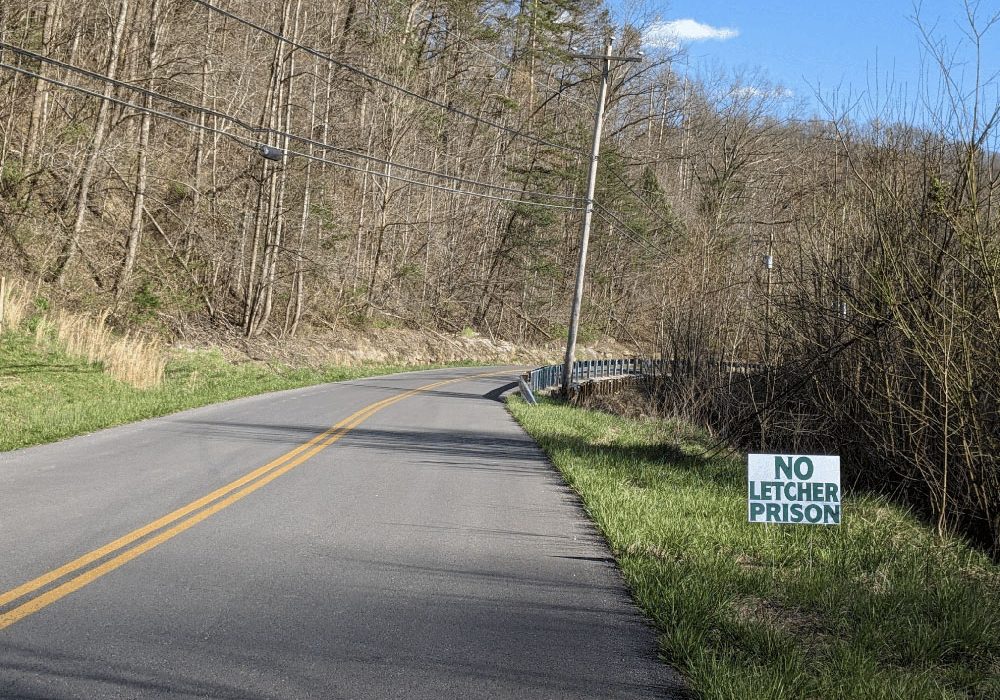
After 20 Years, Letcher County Prison Proposal Is Still Alive, Though Obstacles Remain
A $605 million proposal for a federal prison on a former strip mine site in Letcher County, Kentucky, championed by U.S. Rep. Hal Rogers, refuses to die, despite local opposition, a lack of support from the executive branch and numerous other obstacles.
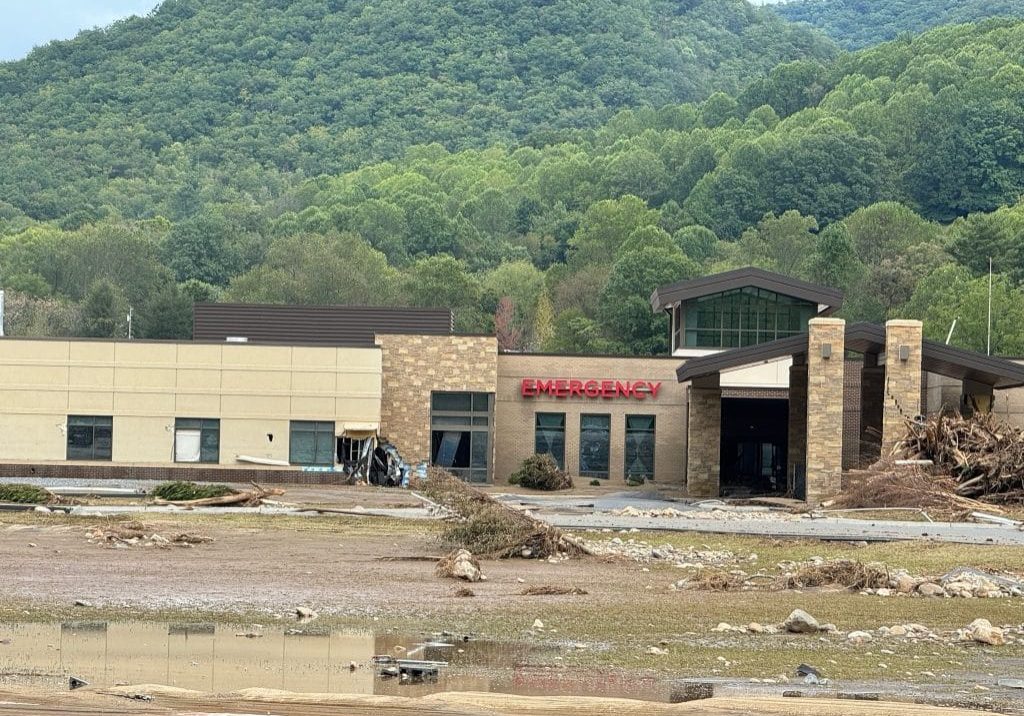
The Washout and Rebuild
For nearly two years, residents of Unicoi County, Tennessee, have had to make do without a hospital after Hurricane Helene destroyed the rural hospital. Ballad Health, which owns the hospital, broke ground on a new location — in another floodplain — in August 2026.
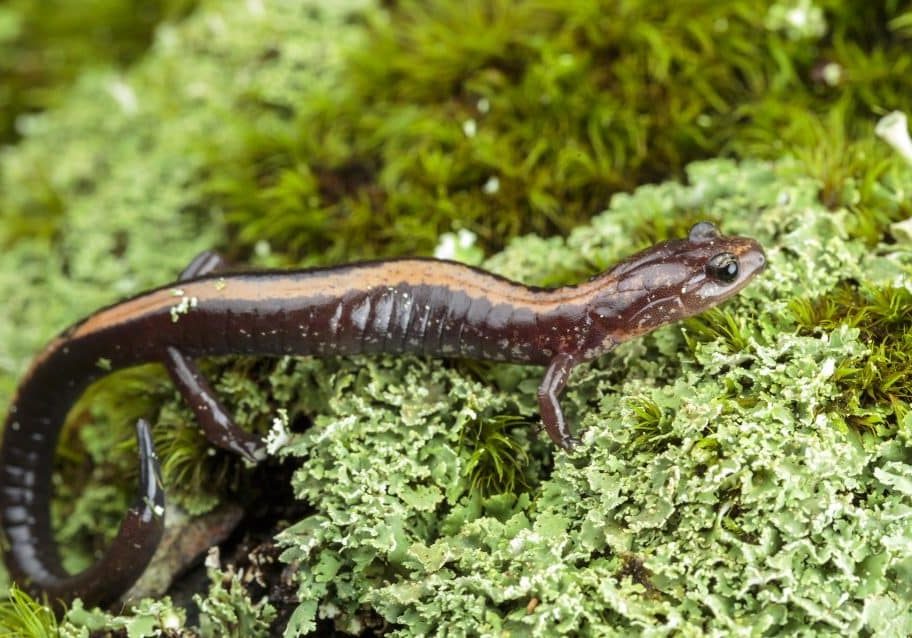
The Shenandoah Salamander
The Shenandoah salamander is a woodland salamander, which has adapted to life at higher elevations away from water. This sparkling rarity lives among the dry leaves, cracked logs, and stony hillocks on the highest peaks of Shenandoah National Park.

Leave a comment
Your email address will not be published. Required fields are marked *
Leave a Comment