

Historical Hidden Treasures of Virginia
By Rachel Ellen Simon
Pocahontas Exhibition Coal Mine
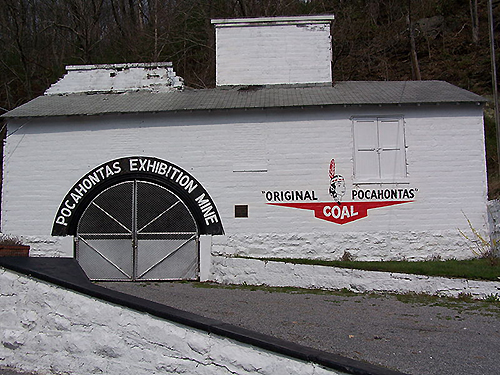
Photo by Brian M. Powell
Most may know it as the title of a lullaby, but “Baby Mine” is also the name of the first mine to open in the Pocahontas coalfield in 1883. During the mine’s 73 years of operation, over 44 million tons of coal were exported. Now a National Historic Landmark, the original mine is an exhibition site and museum. Visitors can take an underground tour, learn about early mining methods, and view the famed 13-foot Pocahontas #3 Coal Seam.
Open April 1 – Aug. 31. Museum is free. For tours, adults $8.50, children (6-12) $5.50, under 6 free.
More info: Located in Pocahontas, Va. Visit: pocahontasva.org/museum.html
Appalachian African-American Cultural Center
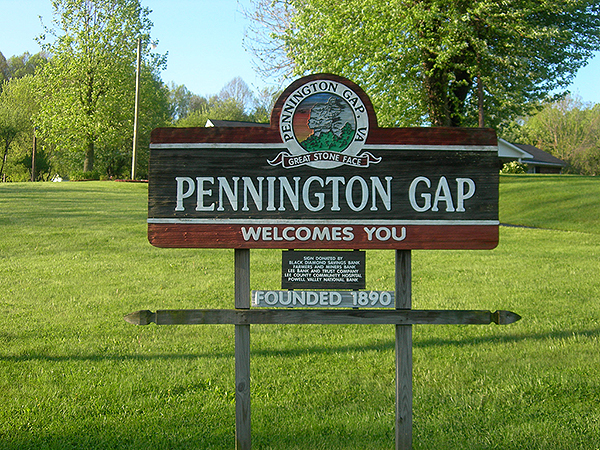
Photo by Jimmy S. Emerson, DVM
Though the Lee County Colored Elementary School closed its doors to students in 1956, they opened them again — for tourists — in the late 1980s. The former one-room schoolhouse now serves as a cultural center that aims to preserve the heritage of Appalachian African-Americans. The center includes a collection of oral histories, historic artifacts and a library of African American literature. It also hosts public forums and an annual Race Unity Day to encourage interracial dialogue in the region.
Open year-round. Free. Call ahead for tours: (276) 546-5144.
More info: Located in Pennington Gap, Va. Visit: virginiaheritage.org/lee_co.htm
Burke’s Gardens
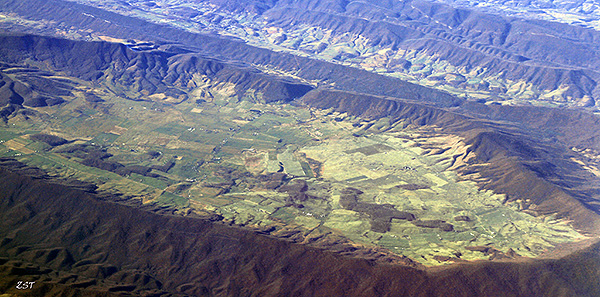
Photo by Andy Duncan
Cue music: “Down in the valley, the valley so … high?” Not quite in tune with the traditional folk song lyrics, Virginia’s highest mountain valley sits 3086 feet above sea level. The result of a collapsed mountain, Burke’s Gardens resembles a massive bowl, earning it the nickname “God’s Thumbprint.” The Gardens is home to an abundance of wildlife – including a number of endangered species – and is an optimum location for scenic hiking and biking. Adjacent to the Appalachian Trail, Burke’s Gardens can also be viewed from State Route 623.
Open year-round. Free.
More info: Located in Tazewell County, Va. Visit: visittazewellcounty.org/burkes.html
Related Articles
Latest News
More Stories
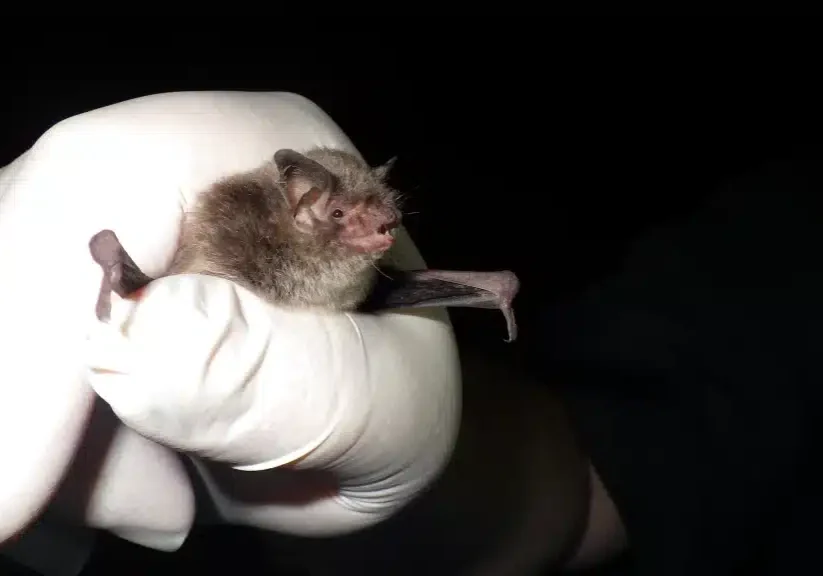
Signs of Life
In the Nantahala National Forest, a team of biologists spotted Indiana bats, an endangered species that hasn’t been seen in North Carolina for the last 11 years.

‘First Line of Defense’
During Hurricane Helene and its aftermath, rural fire departments and other first responder hubs played critical roles in keeping their communities safe, even without power and cut off from outside support for days or weeks after the storm. Two years later, plenty of work remains to ensure these hubs have the resources they need to operate day to day and be ready when emergencies or natural disasters strike.

The Rocky Road — and Bridge — to Recovery
Hurricane Helene is estimated to have damaged nearly 7,000 private roads and bridges in Western North Carolina. Two years later, many restoration projects are complete, but the journey hasn’t been easy — and isn’t over for others.
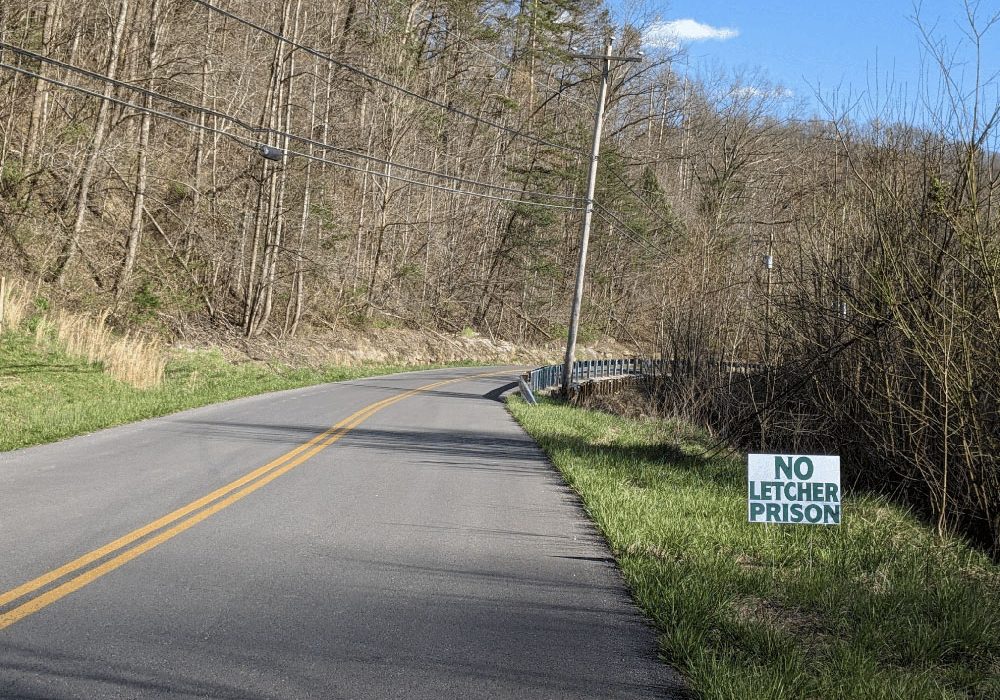
After 20 Years, Letcher County Prison Proposal Is Still Alive, Though Obstacles Remain
A $605 million proposal for a federal prison on a former strip mine site in Letcher County, Kentucky, championed by U.S. Rep. Hal Rogers, refuses to die, despite local opposition, a lack of support from the executive branch and numerous other obstacles.
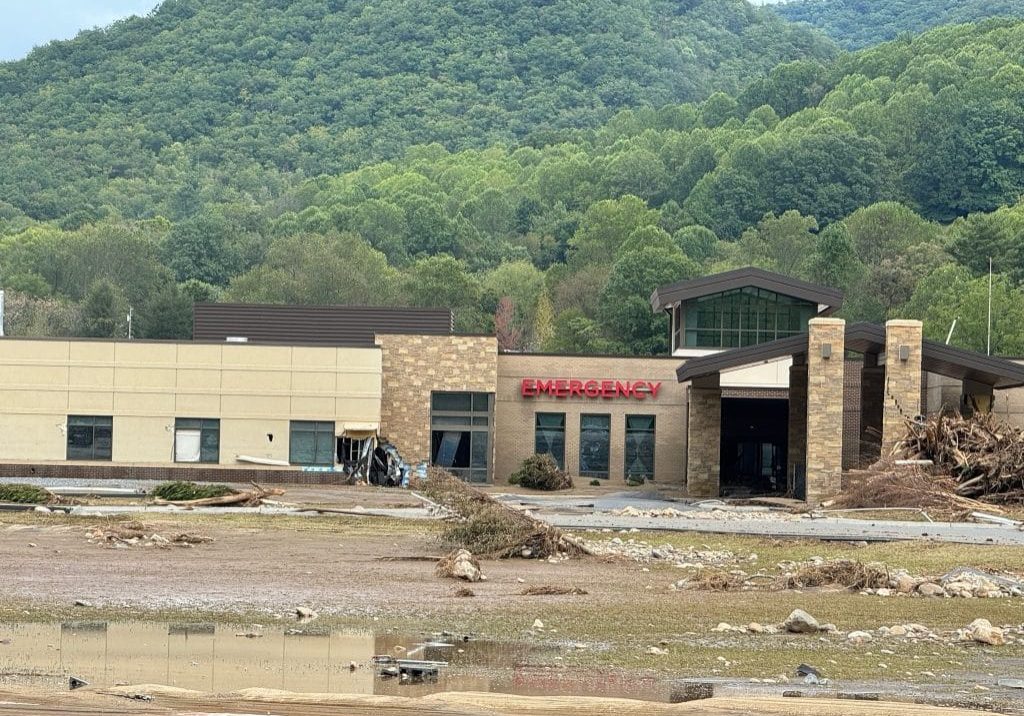
The Washout and Rebuild
For nearly two years, residents of Unicoi County, Tennessee, have had to make do without a hospital after Hurricane Helene destroyed the rural hospital. Ballad Health, which owns the hospital, broke ground on a new location — in another floodplain — in August 2026.
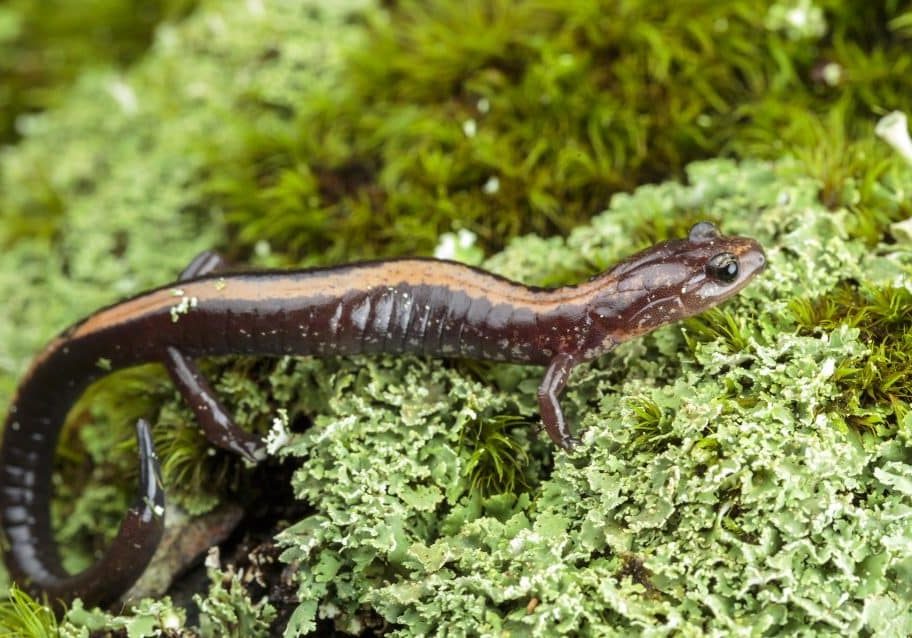
The Shenandoah Salamander
The Shenandoah salamander is a woodland salamander, which has adapted to life at higher elevations away from water. This sparkling rarity lives among the dry leaves, cracked logs, and stony hillocks on the highest peaks of Shenandoah National Park.

Leave a comment
Your email address will not be published. Required fields are marked *
Leave a Comment