

Coal Country
Film about Mountaintop Removal Mining to be Screened July 11 in West Virginia
Story by Linda Coutant
Whenever you turn on your lights or air conditioning, filmmaker Mari-Lynn Evans wants you to consider who pays the price for that electricity.
“The people of Appalachia will be hard to forget after people see their faces and hear their stories,” says Evans, a native of West Virginia whose documentary “Coal Country” will be released this fall by Sierra Club Productions.
A free screening of Evans’ film – which examines the impact of mountaintop removal coal mining on Appalachia’s citizens and economy – will be held in Charleston, W.Va., July 11 at 7 p.m. in the South Charleston Museum’s La Belle Theatre. The public is invited.
Evans and director Phylis Geller spent three years working on “Coal Country.” They began the project after Evans saw the environmental and human impact of mountaintop removal coal mining in her home state and other parts of Appalachia while interviewing residents for “The Appalachians,” a three-hour series she released with the Sierra Club in 2005.
“It changed my life,” she said of her visit to mountaintop removal mining-damaged areas. “I came back home to Ohio and couldn’t stop thinking about it. I decided to make a film about mountaintop removal in the larger perspective of the coal industry and its role in U.S. energy consumption. It’s important for people to see this film and see what’s happening as a result of mountaintop removal.”
Evans and Geller visited the homes of people directly affected by the mining process, who tell of health problems, dirty water choking their wells and streams, and the loss of the area’s natural beauty. They also talked to miners and coal company officials, who are concerned about jobs and the economy and believe they are acting responsibly in bringing power to the American people.
“Coal Country” also explores the region’s options for future economic development, including wind and solar power, which could simultaneously diversify the region’s economy and preserve the natural resources for future generations.
Learn more about the film at www.sierraclub.org/scp/coalcountry
Related Articles
Latest News
More Stories
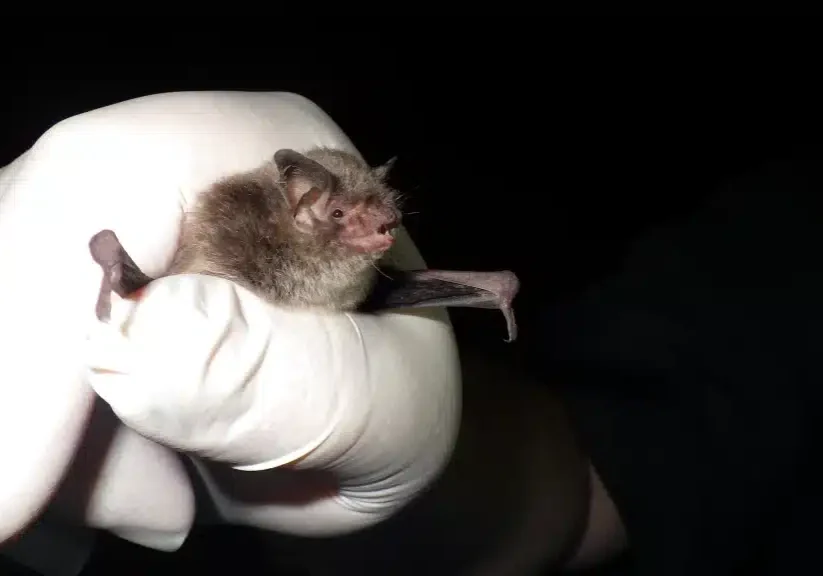
Signs of Life
In the Nantahala National Forest, a team of biologists spotted Indiana bats, an endangered species that hasn’t been seen in North Carolina for the last 11 years.

‘First Line of Defense’
During Hurricane Helene and its aftermath, rural fire departments and other first responder hubs played critical roles in keeping their communities safe, even without power and cut off from outside support for days or weeks after the storm. Two years later, plenty of work remains to ensure these hubs have the resources they need to operate day to day and be ready when emergencies or natural disasters strike.

The Rocky Road — and Bridge — to Recovery
Hurricane Helene is estimated to have damaged nearly 7,000 private roads and bridges in Western North Carolina. Two years later, many restoration projects are complete, but the journey hasn’t been easy — and isn’t over for others.
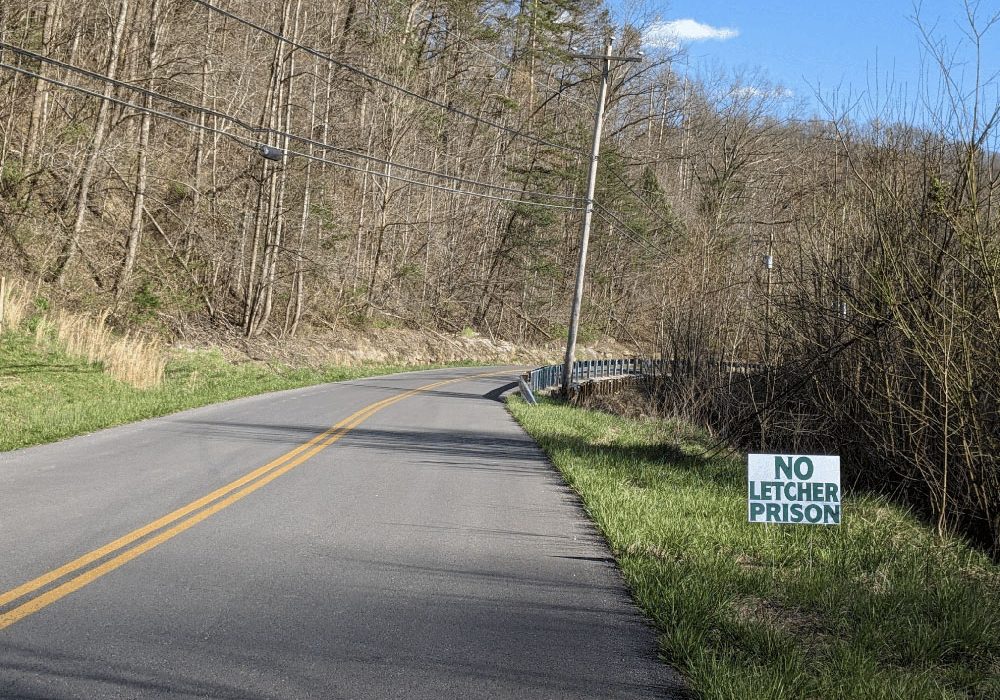
After 20 Years, Letcher County Prison Proposal Is Still Alive, Though Obstacles Remain
A $605 million proposal for a federal prison on a former strip mine site in Letcher County, Kentucky, championed by U.S. Rep. Hal Rogers, refuses to die, despite local opposition, a lack of support from the executive branch and numerous other obstacles.
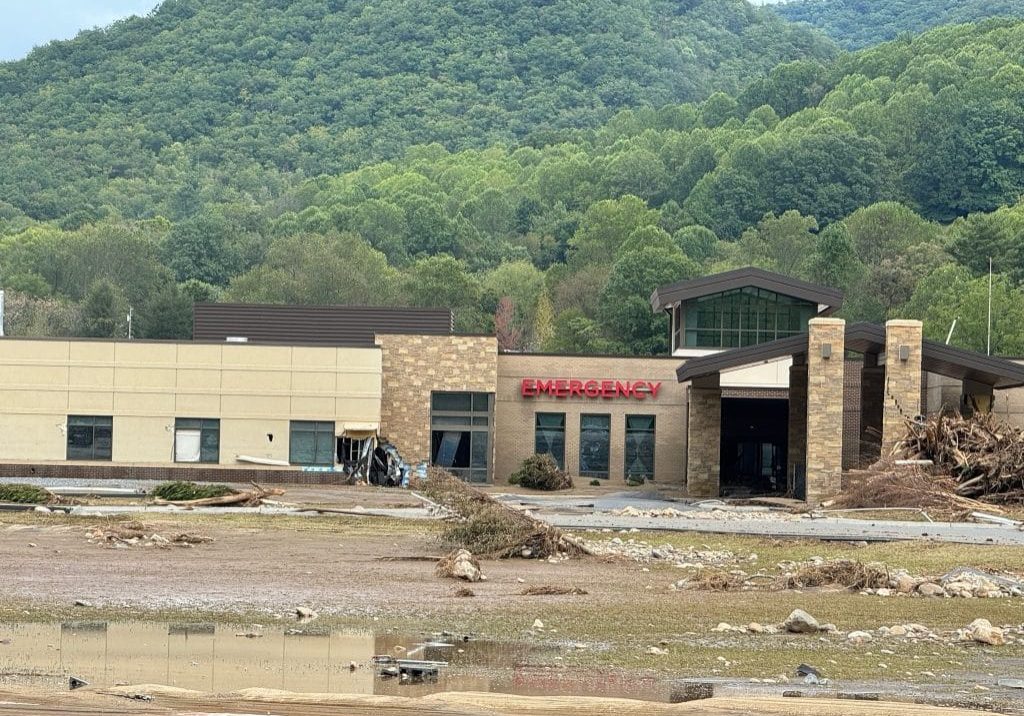
The Washout and Rebuild
For nearly two years, residents of Unicoi County, Tennessee, have had to make do without a hospital after Hurricane Helene destroyed the rural hospital. Ballad Health, which owns the hospital, broke ground on a new location — in another floodplain — in August 2026.
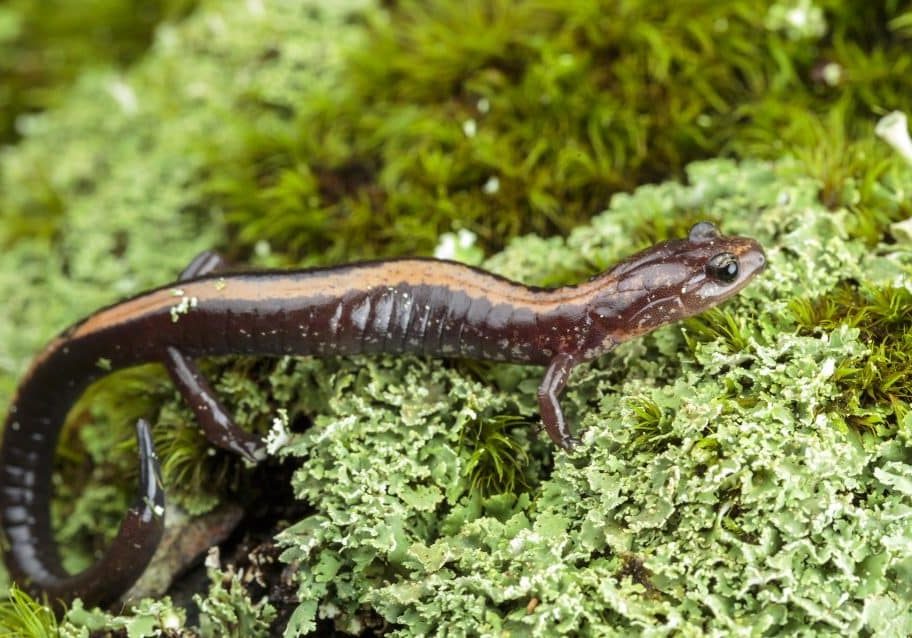
The Shenandoah Salamander
The Shenandoah salamander is a woodland salamander, which has adapted to life at higher elevations away from water. This sparkling rarity lives among the dry leaves, cracked logs, and stony hillocks on the highest peaks of Shenandoah National Park.

Leave a comment
Your email address will not be published. Required fields are marked *
Leave a Comment