

Six Degrees: Read the Crystal Ball of Climate Change
By Sarah Vig
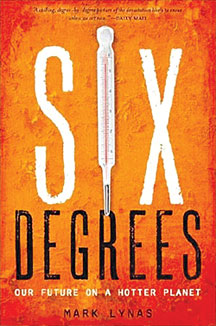
For this issue, the AV Book Club choose to read a book that delves into an issue with the potential to impact the lives of every human being, indeed most every living thing on the planet: global warming.
In “Six Degrees: Our Future on a Hotter Planet” (HarperCollins, $16.95), British journalist Mark Lynas makes the daunting world of climate modeling and scientific research papers surprisingly readable and coherent.
As the title might suggest, the book breaks down the projected effects of global warming by degree Celsius. Each chapter confronts the changes and problems of a warmer and warmer world.
This structure is the greatest virtue of the book; it succeeds in breaking up a vast amount of information into digestible pieces, while at the same time reminding readers just how much can happen with seemingly small rises in temperature globally.
“Six Degrees” ultimately operates as a kind of layperson’s trail map to scientific research on global climate change. The text is occasionally peppered with overly theatrical turns of phrase meant to punctuate the sometimes-dry science with interest, but the science (and Lynas’s thorough explanations of earth systems and past climates necessary to interpret it) speaks for itself: If the planet keeps warming, things could get hairy.
The beauty (or tragedy, as the case may be) is in the details though, and in this book they are not in short supply. The details make global warming—the ultimate in big picture problems—more “real,” more terrifying and hopefully more urgent in the mind of everyone who reads it.
“Six Degrees” is kind of like a crystal ball, it shows us our future but not when it will get here. Perhaps if enough people read this book, it can be prevented.
Reading Questions
1. In the introduction, Lynas writes that he is surprised to hear people call his book “depressing.” He thinks terrifying and motivating are more apt descriptors. How do you feel as you read? Do you encounter this reaction in yourself or from others? Why do you think people feel this way about climate change? Are there other issues you feel get similar reactions?
2. Lynas cites a certain article regarding an out of control carbon cycle as being a trigger for his activism on global warming. If you are already active on the issue of climate change, did you have a similar catalyst? What was it and why did it have an impact on you? If not, what would get you passionate?
3. Appalachia is one of the biodiversity hotspots in North America, how did the book’s projections on shrinking zones of habitability for many species affect you?
4. In the final chapter, Lynas explores a number of possible reasons why dramatic action against climate change has not yet occurred. Do you see these forces in action on other issues? What actions, if any, do you see yourself taking now that you have read this book?
5. Appalachia and the southeastern United States have long had a connection to the production and consumption of coal, the most greenhouse-gas intensive form of fossil fuel. How do you see global warming having an impact on the way we use our resources now or in the future? Has the information in this book changed your perspective in any way?
Online Resources
Interactive Tools
An interactive map allows you to watch real-time CO2 emissions and compare the differential impact various countries have on the warming atmosphere: breathingearth.net
Calculate your carbon footprint with any number of tools available online. I like the carbon calculator provided by the Nature Conservancy, because it takes into account lifestyle choices with secondary carbon impacts (like dietary choices): nature.org
The National Geographic series “Six Degrees Could Change the World” is a useful companion to Lyman’s book. The visual components bring the numerous scenarios in the book to life. In addition, interactive maps help show each degree’s global impacts: nationalgeographic.com, search for ‘Six Degrees’
Further Reading
Along with drought, much of the havoc created by global warming is agriculture-related and one of the most interesting proposed mitigation proposals is carbon storage-focused organic farming. Rodale Institute’s research is compelling food for thought when start thinking about solutions to global warming! rodaleinstitute.org/global_warming
Related Articles
Latest News
More Stories
Signs of Life
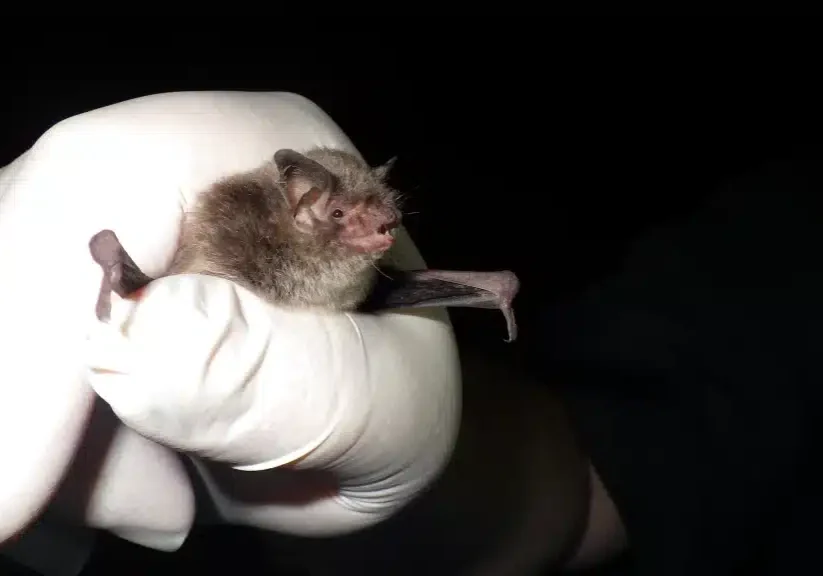
In the Nantahala National Forest, a team of biologists spotted Indiana bats, an endangered species that hasn’t been seen in North Carolina for the last 11 years.
‘First Line of Defense’
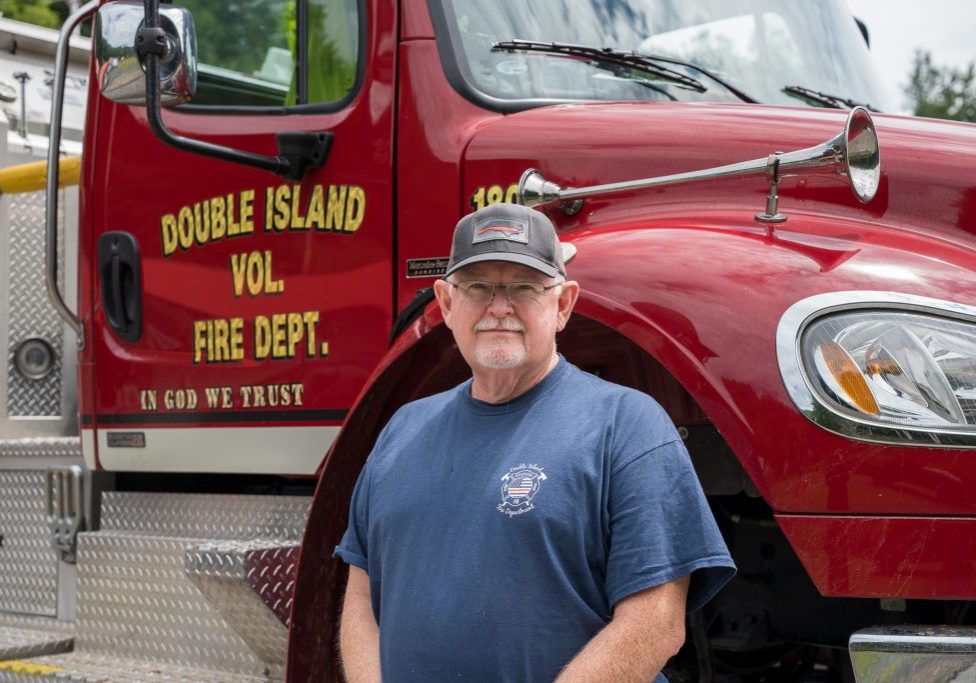
During Hurricane Helene and its aftermath, rural fire departments and other first responder hubs played critical roles in keeping their communities safe, even without power and cut off from outside support for days or weeks after the storm. Two years later, plenty of work remains to ensure these hubs have the resources they need to operate day to day and be ready when emergencies or natural disasters strike.
The Rocky Road — and Bridge — to Recovery
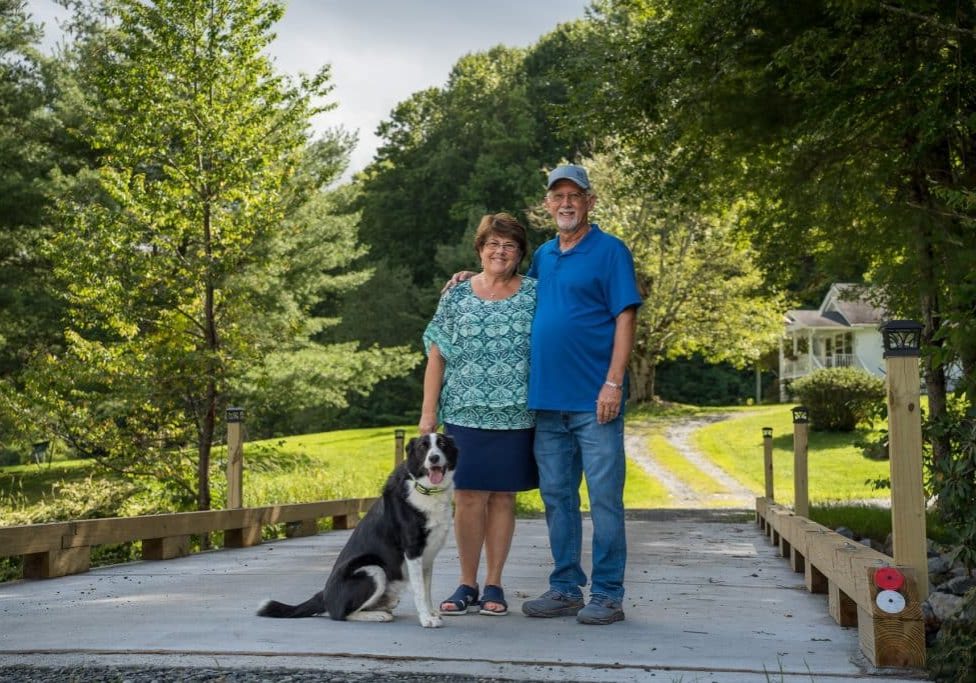
Hurricane Helene is estimated to have damaged nearly 7,000 private roads and bridges in Western North Carolina. Two years later, many restoration projects are complete, but the journey hasn’t been easy — and isn’t over for others.
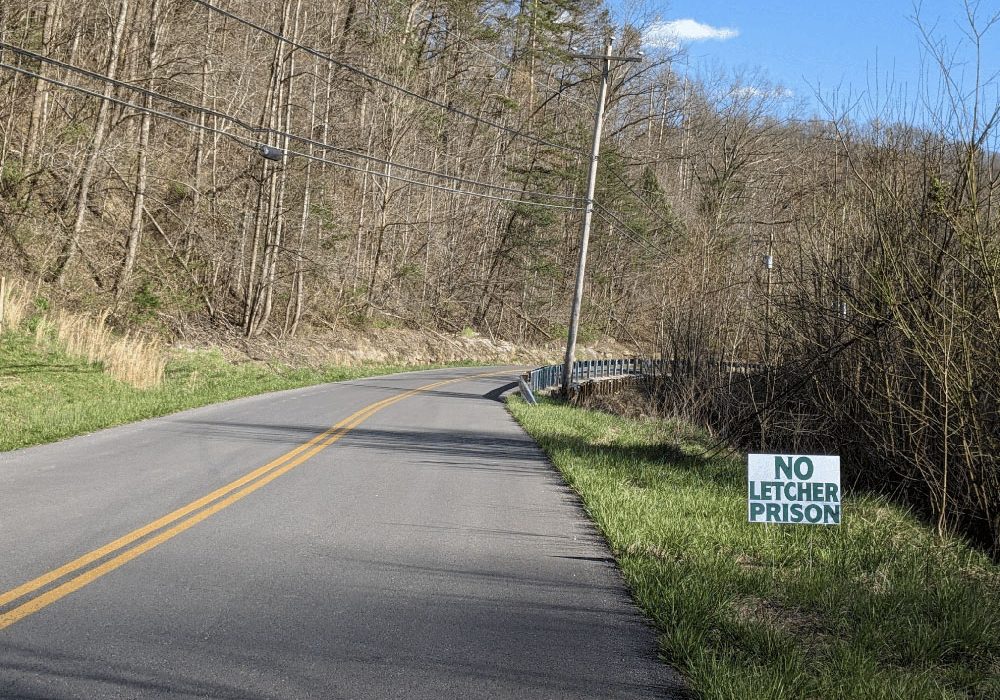
After 20 Years, Letcher County Prison Proposal Is Still Alive, Though Obstacles Remain
A $605 million proposal for a federal prison on a former strip mine site in Letcher County, Kentucky, championed by U.S. Rep. Hal Rogers, refuses to die, despite local opposition, a lack of support from the executive branch and numerous other obstacles.
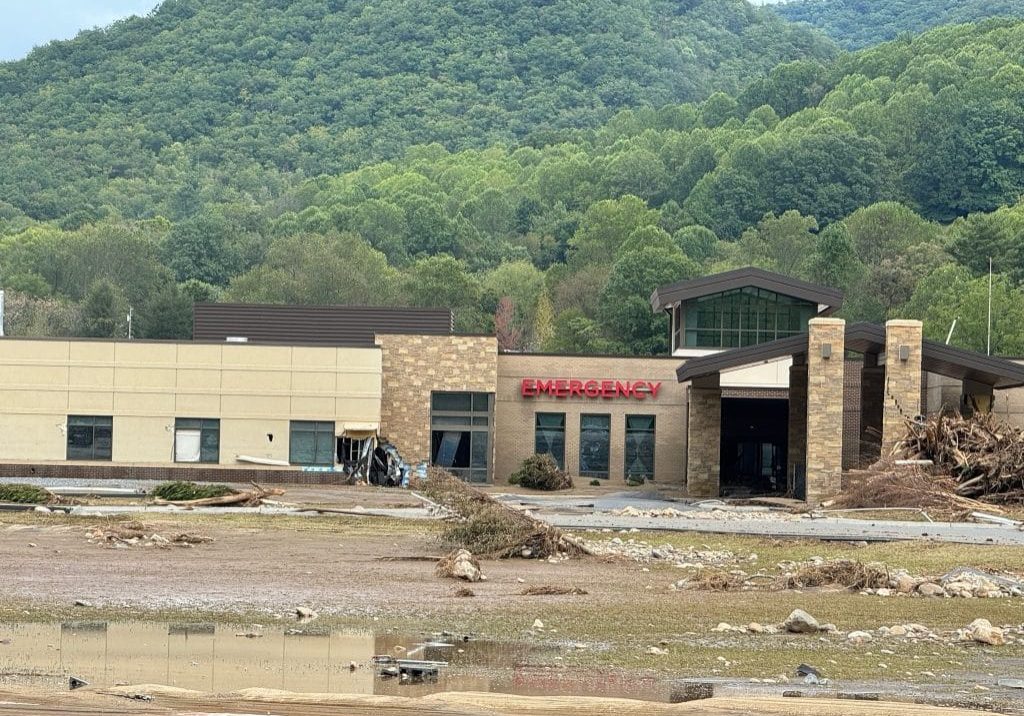
The Washout and Rebuild
For nearly two years, residents of Unicoi County, Tennessee, have had to make do without a hospital after Hurricane Helene destroyed the rural hospital. Ballad Health, which owns the hospital, broke ground on a new location — in another floodplain — in August 2026.
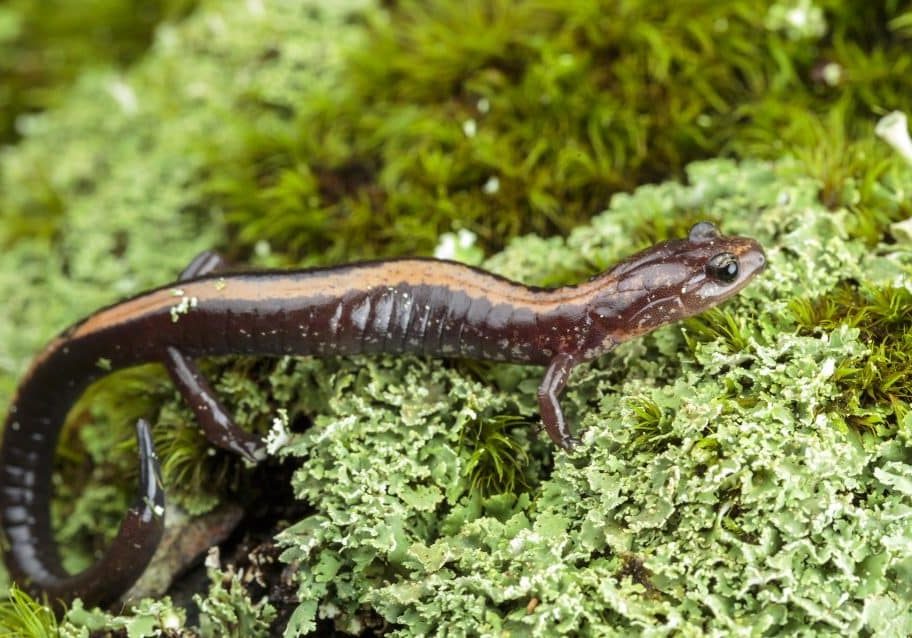
The Shenandoah Salamander
The Shenandoah salamander is a woodland salamander, which has adapted to life at higher elevations away from water. This sparkling rarity lives among the dry leaves, cracked logs, and stony hillocks on the highest peaks of Shenandoah National Park.

Leave a comment
Your email address will not be published. Required fields are marked *
Leave a Comment