

A Prayer for Peace in Appalachia
Amid Christmas hymns and Hannukah lights, we ask you to join us in a prayer for peace in Appalachia.
No one who follows events would ask why we need this prayer. Clearly, the climate of political violence escalated in 2009 with these incidents:
• A US Census worker murdered in Kentucky, the word “FED” scrawled across his chest;
• Judy Bonds, Goldman prize winner, slapped at a peaceful demonstration for Marsh Fork Elementary School;
• Signs at demonstrations saying “Hang a Treehugger;”
• Fabricated photos of “environmentalists” as “armed terrorists.”
A prayer for peace in the coalfields might begin with the idea that if our Appalachian ancestors could speak today, they would ask those for whom they sacrificed to lay aside hatred and strife. They would ask us to seek a better future.
A prayer for peace might hope that we learn — as country singer Kathy Mattea has suggested — to speak with love, respect and humility.
A prayer for peace would focus on people, first, but also the wild creatures and the treasured environment of Appalachia. This would follow Aldo Leopold’s concern that ethics should encompass the land as well as the people.
A prayer for peace might have us recalling folk singer John McCutcheon’s song about Christmas in the trenches of World War I, where combatants asked themselves whose family they had fixed in their sights.
A prayer for peace might have us falling on our knees to be guided by the King of Kings—and not “king coal.”
A prayer for peace might conclude with the certainty that our blessings far outweigh our differences, and that none of us can meet our challenges or carry our burdens alone.
May we find the blessings of peace and forgiveness in our hearts, one and all.

Related Articles
Latest News
More Stories
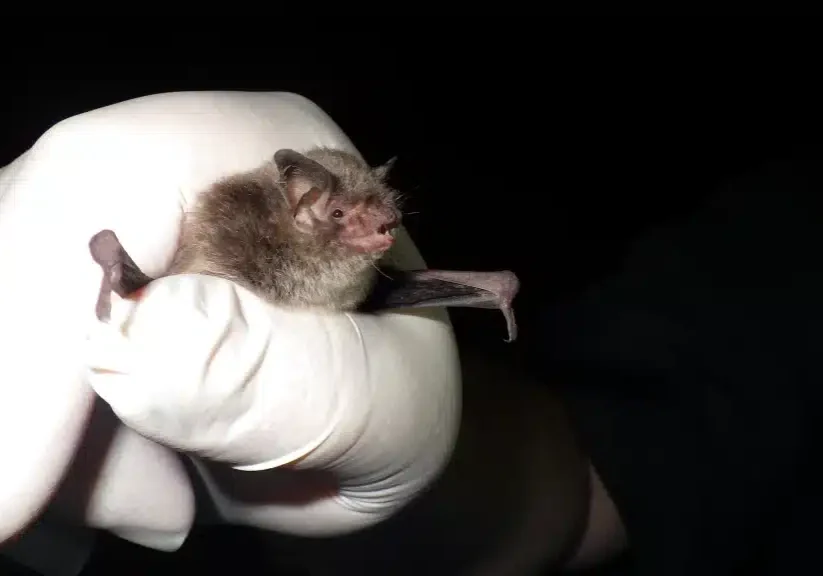
Signs of Life
In the Nantahala National Forest, a team of biologists spotted Indiana bats, an endangered species that hasn’t been seen in North Carolina for the last 11 years.
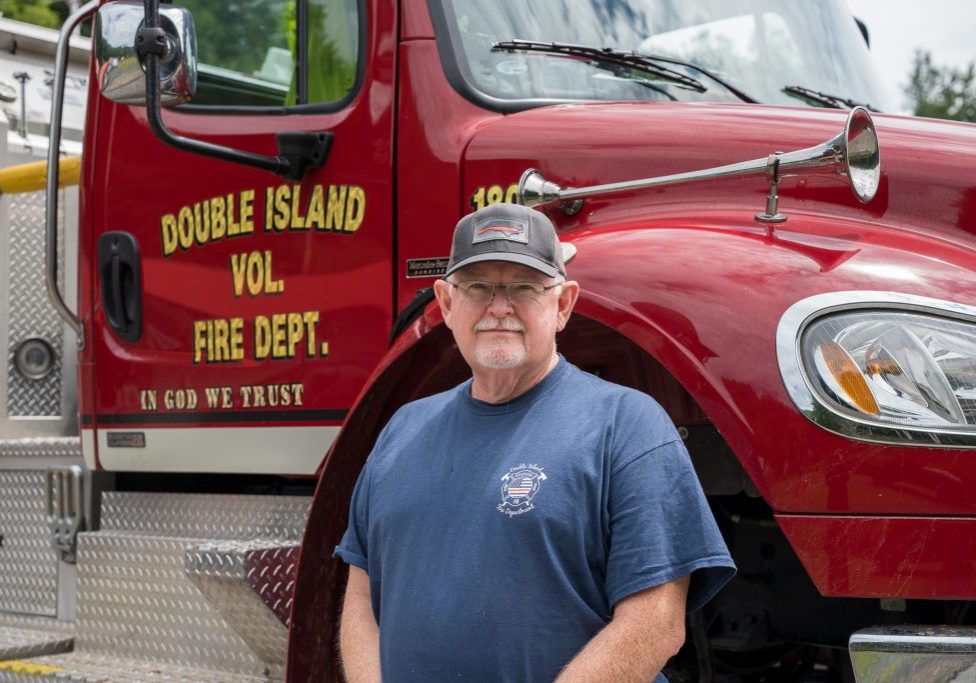
‘First Line of Defense’
During Hurricane Helene and its aftermath, rural fire departments and other first responder hubs played critical roles in keeping their communities safe, even without power and cut off from outside support for days or weeks after the storm. Two years later, plenty of work remains to ensure these hubs have the resources they need to operate day to day and be ready when emergencies or natural disasters strike.
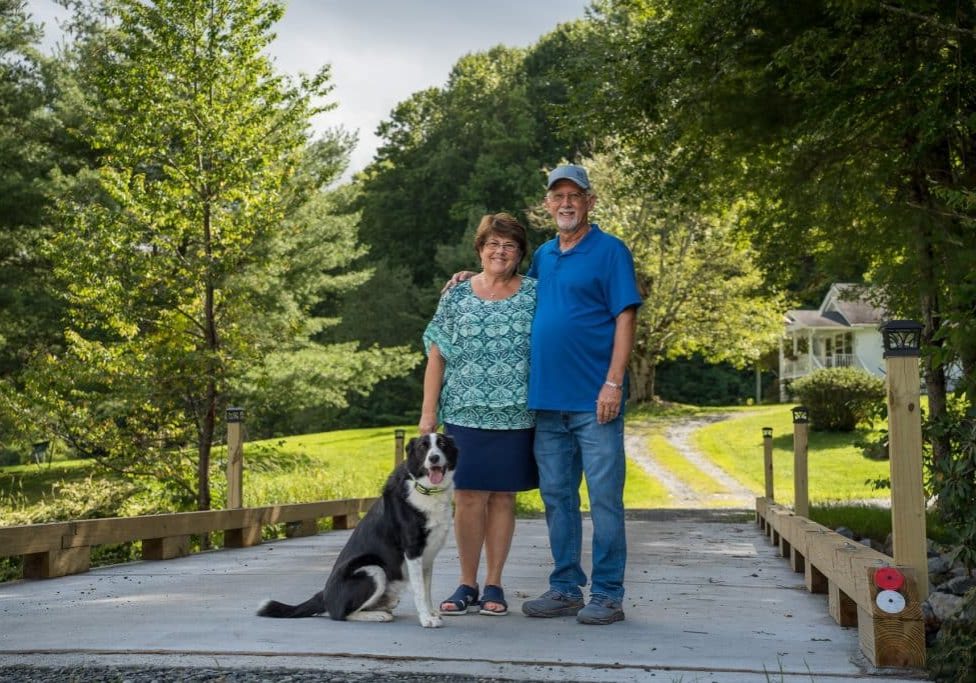
The Rocky Road — and Bridge — to Recovery
Hurricane Helene is estimated to have damaged nearly 7,000 private roads and bridges in Western North Carolina. Two years later, many restoration projects are complete, but the journey hasn’t been easy — and isn’t over for others.
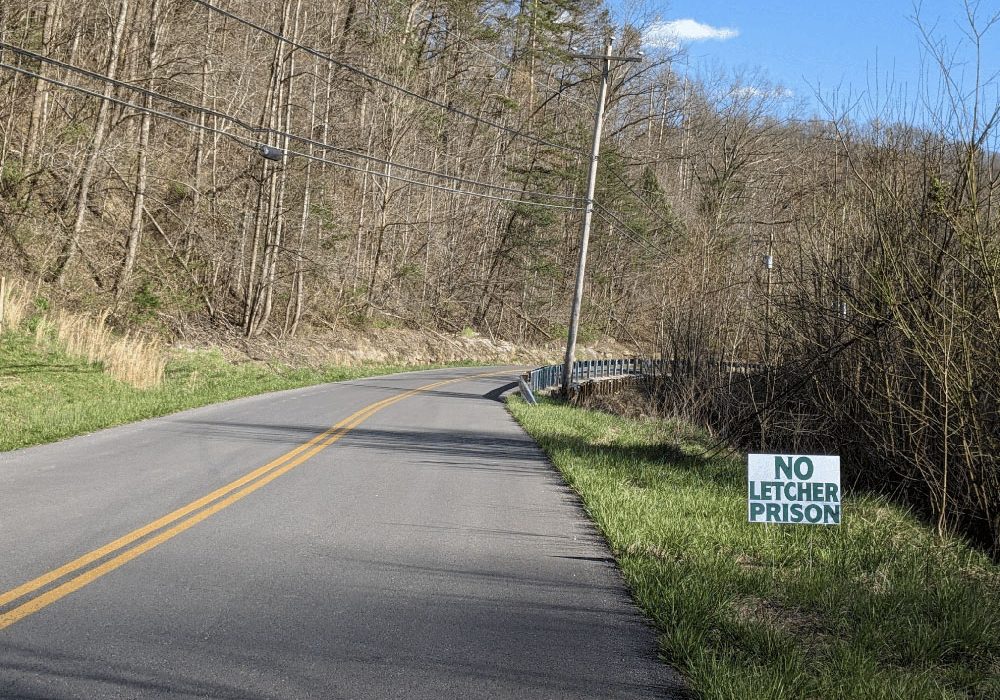
After 20 Years, Letcher County Prison Proposal Is Still Alive, Though Obstacles Remain
A $605 million proposal for a federal prison on a former strip mine site in Letcher County, Kentucky, championed by U.S. Rep. Hal Rogers, refuses to die, despite local opposition, a lack of support from the executive branch and numerous other obstacles.
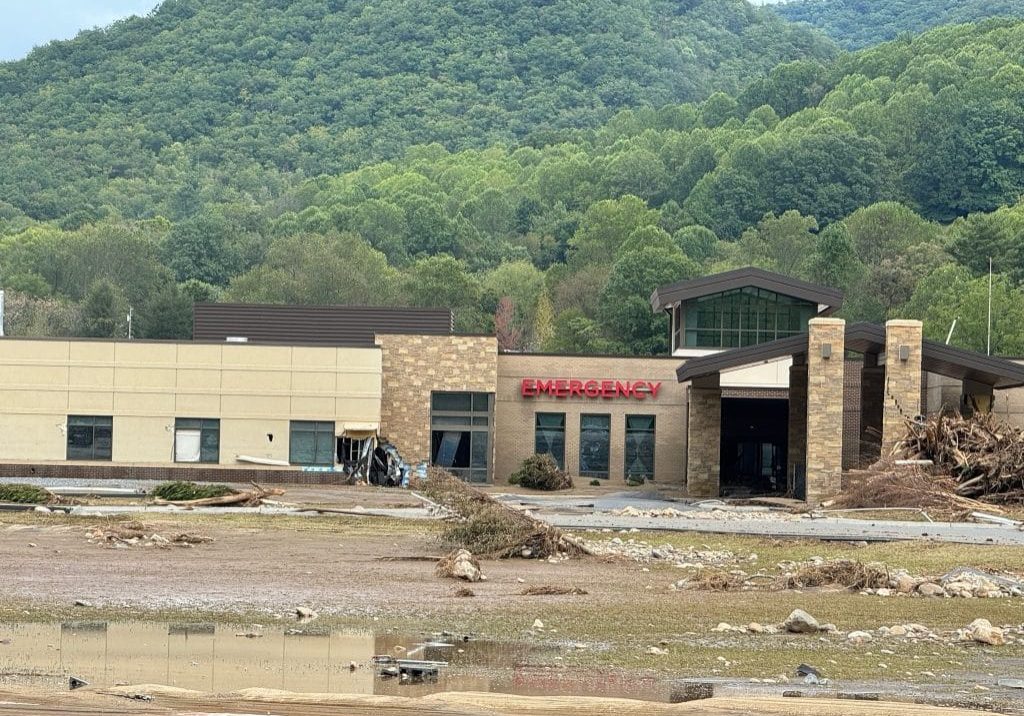
The Washout and Rebuild
For nearly two years, residents of Unicoi County, Tennessee, have had to make do without a hospital after Hurricane Helene destroyed the rural hospital. Ballad Health, which owns the hospital, broke ground on a new location — in another floodplain — in August 2026.

The Shenandoah Salamander
The Shenandoah salamander is a woodland salamander, which has adapted to life at higher elevations away from water. This sparkling rarity lives among the dry leaves, cracked logs, and stony hillocks on the highest peaks of Shenandoah National Park.

Leave a comment
Your email address will not be published. Required fields are marked *
Leave a Comment