As flooding disasters become more frequent and dangerous, Appalachian Flood Resilience Coalition releases updated policy platform to implement new vision for resilience
"Flood Resilience in Appalachia" lays out a four-pillar, community-built roadmap for the 120th Congress
FOR IMMEDIATE RELEASE
November 19, 2026
Contact:
Trey Pollard – [email protected] – 202-904-9187
APPALACHIA — Today, the Appalachian Flood Resilience Coalition unveiled the 2027 version of its federal policy platform entitled Flood Resilience in Appalachia. As the 120th Congress prepares to take office and the Trump Administration continues to dramatically alter disaster recovery and resilience policy, this platform serves as a community-built roadmap backed by 54 organizations to guide Congress to provide Appalachian communities the tools and resources they need to respond to, recover from and prepare for flooding. The coalition unveiled the platform at a webinar Thursday featuring speakers who shared findings on the state of disaster resilience in the region, the weaknesses that must be addressed and recommendations for lawmakers.
“The worsening climate crisis is creating stronger, more frequent disasters each year — including increased flooding across Appalachia. Under-investments in flood resilience, and underfunded or delayed federal disaster responses, have exacerbated the impacts of these disasters. The policy recommendations are a roadmap for flood resilience to help Appalachia’s hardest-hit and most-vulnerable communities recover from the latest disasters, while also building the capacity, infrastructure, information, and natural systems needed to withstand the next one,” said Jessica Arriens, director of climate and energy at the National Wildlife Federation.
Flooding disasters are becoming devastatingly common across Appalachia. Over the last decade, Appalachian states have had nearly 40 federally-declared flood disasters that destroyed countless homes and businesses, took dozens of lives, and cost FEMA alone nearly $3 billion. Since the coalition released its first platform in 2024, the region has been hit again and again: Hurricane Helene in September 2024, widespread flooding in Kentucky and West Virginia in February 2025, the Father’s Day floods in West Virginia in June 2025 and major summer floods across Kentucky, Ohio and West Virginia in August 2026.
Amid ongoing meddling with FEMA and other key disaster relief and recovery policies, the organizations supporting this platform aim to show that responsible and sustainable engagement by the federal government can provide real national solutions to local crises if they are rooted in listening to the hardest-hit and most vulnerable communities.
The platform is shaped by the unique risks Appalachia faces. Steep terrain and homes built along waterways leave the region highly exposed, and land degraded by mining has heightened flood risk. Years of underinvestment in rural communities have also left Appalachia with inaccurate flood maps, insufficient early warning systems and little local capacity to prevent floods or recover from them.
The platform’s four pillars address flood mitigation, response, recovery and prevention, with community-built solutions to help Appalachia recover from the latest disasters and build the capacity, infrastructure, information and natural systems needed to withstand the next ones. The pillars include:
- Increasing local and state capacity to respond and recover. Local governments are the first responders, but many small Appalachian towns lack the funding and staff to do the job effectively. The platform calls on Congress to make federal disaster recovery and mitigation funding more accessible, invest in the capacity of local governments to confront disasters, and increase funding for disaster response as well as mitigation and prevention programs.
- Lower the recovery and mitigation burden for vulnerable households. Low-income households and people with disabilities are more likely to live in high-risk areas and substandard housing, and they have the fewest resources to recover. The platform urges Congress to create faster, simpler and better-supported aid distribution, expand affordable flood insurance and build disability access into every step of disaster planning, prevention and recovery.
- Improve flood mapping and data so no community is caught without warning. Thousands of communities have no flood risk maps at all. The platform calls for implementing and fully funding programs like NOAA’s Atlas 15 and FEMA’s Risk MAP, along with deploying streamgages and advanced flood forecasting tools.
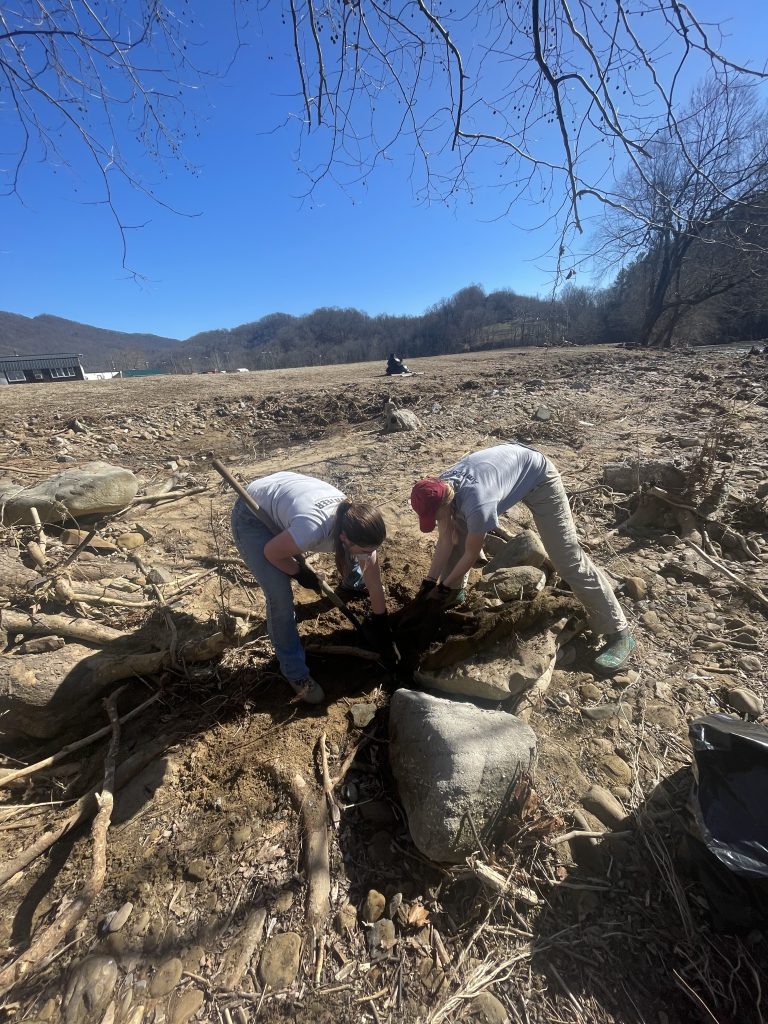
- Invest in nature-based hazard mitigation. Appalachia’s forests, floodplains, streams, agricultural lands and other natural systems are essential resilience infrastructure. The platform asks Congress to prioritize nature-based mitigation in disaster planning, including ecologically appropriate restoration and debris clean-up and sustainable agriculture.
The platform also stresses that none of this works without capacity at the federal level. Recent layoffs and cuts to FEMA, USDA and NOAA weaken recovery and resilience policies and fully-staffed and funded agencies are required to support Appalachian communities and operate recovery programs. Moreover, the platform emphasizes that strong labor standards for projects and materials sourced from the region wherever possible are essential components of flood resilience.
“The Trump administration has actively downsized FEMA’s footprint, shifting funding responsibilities to state and local governments. This harmful trend has made Appalachian communities more vulnerable to flooding disaster,” said Dana Kuhnline, Program Director at Reimagine Appalachia. “Communities know what we need, but we must have robust federal funding and support to implement protections and respond when disaster strikes.”
The Appalachian Flood Resilience Coalition formed in 2024, when organizations across seven states began collaborating to drive regional cooperation and advocacy for the policy change and investment needed to create a resilient Appalachia. The 2027 platform updates the coalition’s first platform to reflect the lessons of the disasters that have struck the region since.
The full platform is available here.
The platform is endorsed by the following organizations:
| Appalachian Citizens’ Law Center Appalachian RC&D Council Appalachian Trail Conservancy Appalachian Voices Appalshop, Inc Action Together NEPAAmphibian and Reptile Conservancy Center for Economic and Policy Research Community Project Hub of SWPA Disaster Housing Recovery Coalition Eastern Pennsylvania Coalition for Abandoned Mine Reclamation Friends of Bell Smith Springs Friends of the Tug Fork River Greenbrier River Watershed Association Invest AppalachiaIon Stewards Energy Kentucky Conservation Committee Kentucky Environmental Foundation Kentucky Resources Council Kentucky Riverkeeper Kentucky Waterways Alliance Kids for Saving Earth Landforce Livelihoods Knowledge Exchange Network Mid-Ohio Valley Climate Action MountainTrueNational Low Income Housing Coalition National Wildlife Federation | New River Conservancy New River Land Trust North American Climate, Conservation and Environment Ohio River Valley Institute Pasa Sustainable Agriculture PennFuture Pennsylvania Division of the Izaak Walton League of America Pennsylvania Interfaith Power & Light Protect Our Water, Heritage, Rights ReImagine Appalachia Southeast Rural Community Assistance Project Inc. Sharpsburg Neighborhood Organization Sierra Club Southern Environmental Law Center Tennessee Water Resources Research Center The Alliance for Appalachia The Clinch Coalition Three Rivers Waterkeeper Upstream Pittsburgh UT Institute for Climate and Community Resilience Virginia Conservation Network West Virginia Center on Budget and Policy West Virginia Community Development Hub West Virginia Environmental Council West Virginia Rivers Coalition Wetlands Watch |
Related Articles
More Stories