

By Debra Murray
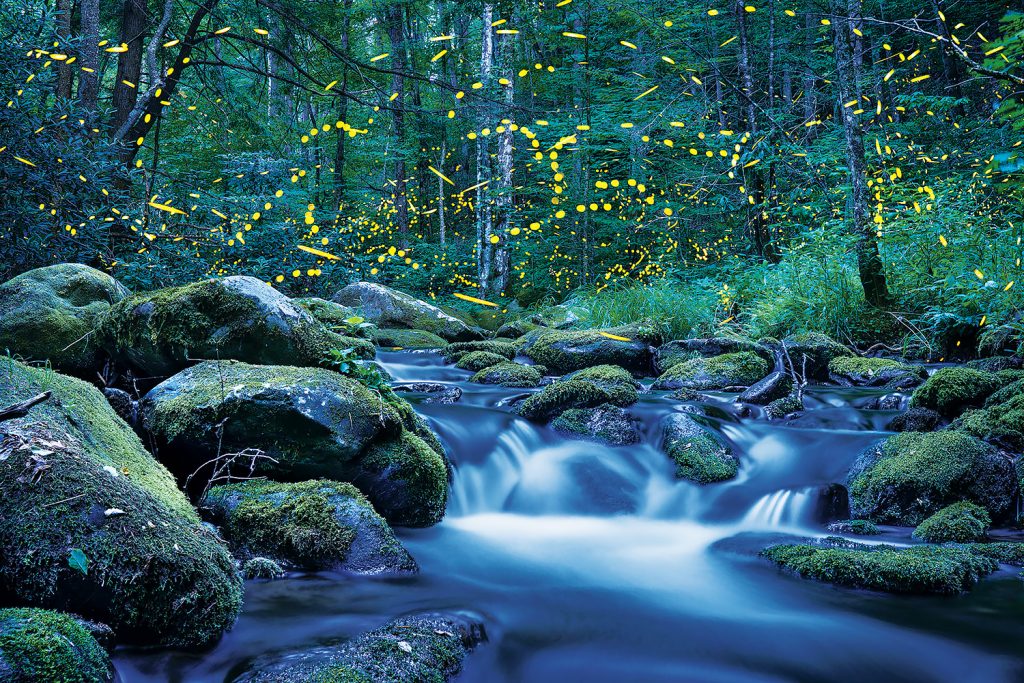
Deep within an undisturbed forest in the Southern Appalachian Mountains, visitors may spot a continuous blue glow unlike anything they have ever seen before. That glow is the blue ghost firefly.
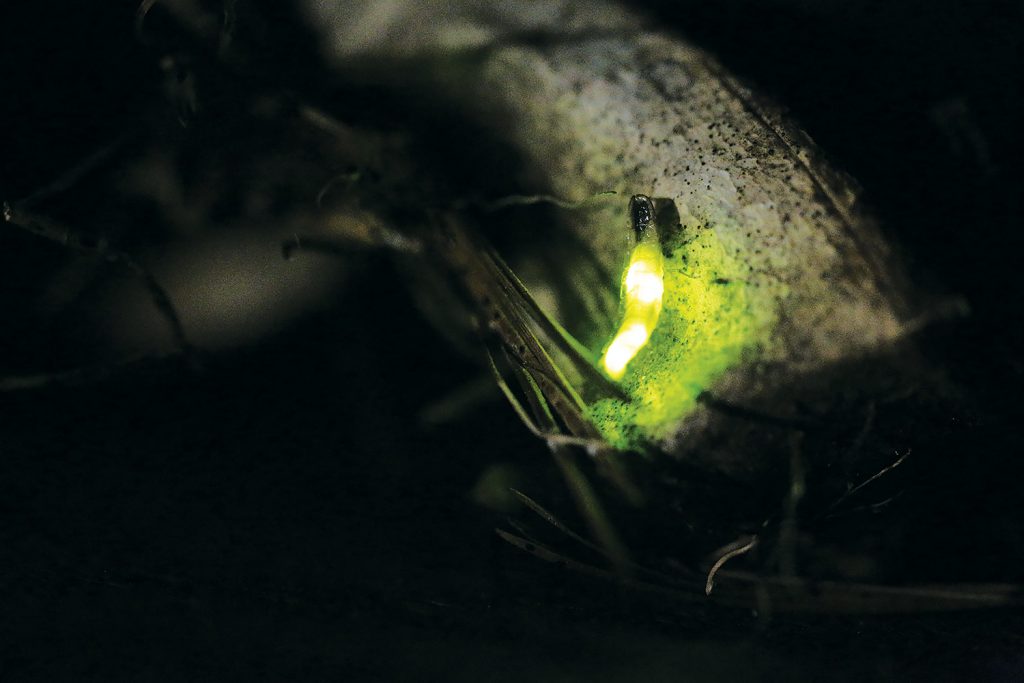
Unlike the yellow or neon green flashes of other firefly species — or lightning bugs — blue ghost fireflies emit a continuous, eerie blue light. All fireflies are winged beetles that produce light in their abdomen through a chemical reaction known as bioluminescence. They glow to search for mates, communicate or deter predators from attacking them.
The blue ghost fireflies (Phausis reticulata) live in specific parts of the Appalachian Mountains. The blue light is typically seen in deep, undisturbed woods at an elevation between 2,000 and 4,000 feet in areas with abundant leaf litter. The species is unable to migrate because the females do not fly. The males fly, while the females glow from the ground and are so small they look like larvae.
Like other firefly species, this rare species is at risk. A study by the Xerces Society for Invertebrate Conservation indicates that nearly a third of firefly species in North America could be at risk of extinction. Populations are dwindling due to habitat loss, light pollution and pesticide use, but there are ways to support firefly populations near you.
Finding a new home
Jennifer Frick-Ruppert, a biology and environmental science professor at Brevard College in North Carolina, began researching blue ghost fireflies in 1997.
“They’re one of the coolest things in nature,” Frick-Ruppert says. “I’m a biologist, I’m in nature all the time, and they’re just one of the most interesting things I’ve ever seen.”
While other species are also experiencing habitat loss as a result of development and deforestation, that loss can impact the blue ghost fireflies even more because the females cannot fly. So, while males can fly to a new, undisturbed area, the females can’t, and the population cannot redevelop.
“If an area is cleared out of a forest, it’s really hard for them to recover, because the females are the size of a rice grain, and they’re the ones laying the eggs,” Frick-Ruppert says. “It doesn’t matter that the males are flying around; the females are not flying. They cannot disperse very far, so they can’t recolonize.”
While there aren’t exact numbers on how many blue ghost fireflies are left, Frick-Ruppert explains that their numbers are dwindling along with their habitat.
“The number of blue ghost fireflies has only declined, and the area that they cover has declined,” Frick-Ruppert says. “They used to be very widespread throughout the Southern Appalachians, and now you find them in pockets of area where there’s undisturbed forest.”
With people traveling to seek out the blue ghost fireflies, there is an increase in trampling of the small fireflies, particularly the flightless females.
Ben Pfeiffer, founder of Firefly Research and Conservation, supports firefly research and works to preserve firefly populations through education.
“There is a lot of interest in ecotourism to see fireflies in your area, and people should be conscious of the damage that they are doing when they are going into areas to look for fireflies in terms of trampling,” Pfeiffer says. “This is a burgeoning problem around the world in certain places where there’s really interesting firefly species, and so people should definitely be respectful of the habitat if they’re going there.”
Frick-Ruppert suggests that to see the blue ghost fireflies, it’s important to stay in a small group without pets, bring red-light lamps and find an undisturbed spot in the forest.
“They’re unique to the Southern Appalachians, so this is the only place in the world where these occur,” Frick-Ruppert says. “One of the things that makes the experience of seeing them so special is that it takes an effort to get there.”
Supporting healthy firefly populations
With nationwide commercial and residential development causing habitat displacement and droughts drying out wetlands, other species of fireflies face significant habitat loss.
The IUCN Firefly Specialist Group has evaluated about 150 species internationally and found that nearly 1 in 5 are threatened with extinction. In the United States, at least 18 species are threatened, endangered or vulnerable, according to the study. This number could be much higher due to a lack of data.
Pfeiffer explains that habitats that support healthy firefly populations are protected, have active environmental restoration or are undeveloped and left in their original state.
In Transylvania County, North Carolina, near Dupont State Recreational Forest, houses have been built near the forest boundary, but live alongside the blue ghost firefly rather than displacing them, Frick-Ruppert explains.
“If you go into an area, you just clearcut it and scrape off the mountainside and put housing in, blue ghosts are gone and they won’t recover,” Frick-Ruppert says. “But if you have a forested area, and you install homes into the forested area, and you keep those footprint of the homes rather small, then that can still support the blue ghost in the area around it.”
The snappy single sync firefly (Photuris frontalis) can be found in Southeastern and Mid-Atlantic areas of the United States. Their names come from the population being one of the few synchronous firefly species — the males produce one coordinated yellow blink in unison to attract mates.
Like the blue ghost and many other species facing habitat loss, the snappy single sync’s habitat is threatened. The species thrives in mature and moist woodlands and swamp areas, which are threatened by deforestation.
Unlike many firefly species, the common Eastern firefly (Photinus pyralis) can be found in many disturbed areas like yards and alongside roads and highways, according to the Firefly Atlas. The resilient species may also be less impacted by light pollution because it tends to be active around dusk rather than full dark.
To provide firefly habitat, Pfeiffer suggests that homeowners create “firefly houses” where the females can lay eggs, simply by staking logs or sticks to form a pyramid. The firefly houses’ size range from 2-feet to 5-feet wide at the house’s base, with the largest logs on the bottom and the smallest towards the top, according to Firefly.org.
“They are basically stacked logs and sticks that kind of form a pyramid through the hole at the top,” Pfeiffer says. This creates structures that firefly females can lay eggs in.
Pesticides

Pesticides harm fireflies by poisoning their food source, harming their soil habitats and can kill the fireflies directly after exposure to the toxic chemicals.
Attempts to keep weeds and pests out of the yard by using pesticides can harm firefly populations, especially when companies advertise that their products kill all insects, Pfeiffer explains.
“You need to be conscious and deliberate in terms of where you want them to spray,” Pfeiffer says. “This includes not spraying in garden native areas and just to confine it to your foundation and inside your house.”
“Avoid using pesticides that are water soluble and that stay in the habitat, because in certain places that do agricultural development, pesticides do wash into nearby streams and runoff can be a contributing issue,” Pfeiffer continues.
To support fireflies, Pfeiffer suggests planting native plants.
Light pollution
Both habitat loss and light pollution work hand-in-hand to disrupt the firefly population. With development and suburban sprawl, for example, natural spaces are cleared and then street lights and security lights are added.
Fireflies glow when searching for mates or when trying to deter predators like spiders or frogs from attacking. It’s common for some firefly species for the females to glow from the ground or closer to the ground. Light pollution can overwhelm the fireflies’ glow with artificial blue and white lights, preventing fireflies from attracting one another or communicating properly.
Pfeiffer suggests homeowners limit the use of outdoor lights or switch to red lights. Red lights don’t interfere with the glow of fireflies, allowing them to communicate.
He says homeowners should ask, “Am I using too much artificial light at night in my area, or near a firefly habitat? If so, I want to address that by putting downward-facing lights, turning off the lights or installing red lights.”
Fireflies provide a natural pest control as the larvae typically eat snails and slugs. The glowing insects also play an essential role in the ecosystem by feeding native animals like frogs, spiders and birds.
“If we screw up and they disappear because of our inability to take care of them, then they’ll be gone for good,” Frick-Ruppert says.
Learn more: More data and information on supporting fireflies is available from the Xerces Society, which evaluates firefly populations to identify at-risk species and create land management plans, and DataSky, an organization working to combat light pollution. The Xerces Society also launched an initiative called Firefly Atlas, which allows people to document firefly sightings to inform researchers of population locations.
Related Articles
Latest News
More Stories

‘First Line of Defense’
During Hurricane Helene and its aftermath, rural fire departments and other first responder hubs played critical roles in keeping their communities safe, even without power and cut off from outside support for days or weeks after the storm. Two years later, plenty of work remains to ensure these hubs have the resources they need to operate day to day and be ready when emergencies or natural disasters strike.

The Rocky Road — and Bridge — to Recovery
Hurricane Helene is estimated to have damaged nearly 7,000 private roads and bridges in Western North Carolina. Two years later, many restoration projects are complete, but the journey hasn’t been easy — and isn’t over for others.
After 20 Years, Letcher County Prison Proposal Is Still Alive, Though Obstacles Remain
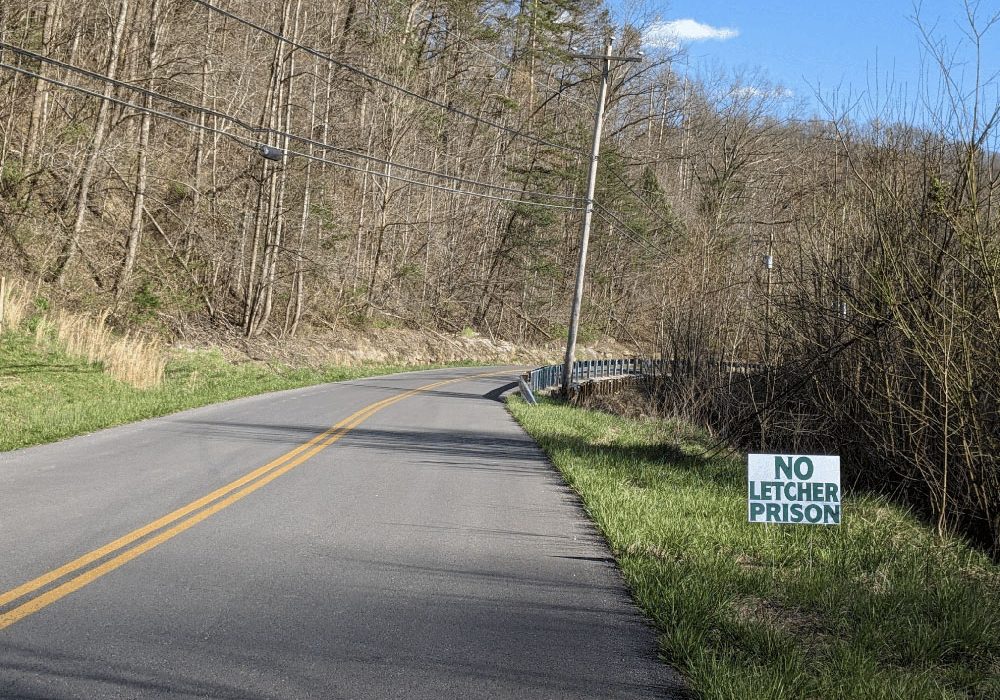
A $605 million proposal for a federal prison on a former strip mine site in Letcher County, Kentucky, championed by U.S. Rep. Hal Rogers, refuses to die, despite local opposition, a lack of support from the executive branch and numerous other obstacles.
The Washout and Rebuild
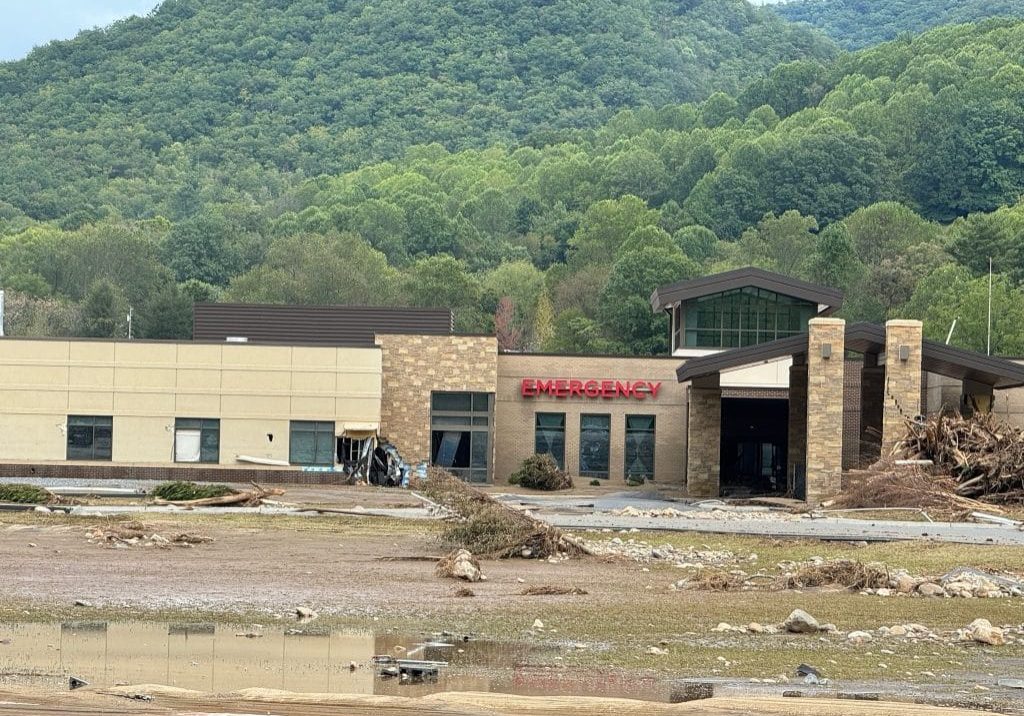
For nearly two years, residents of Unicoi County, Tennessee, have had to make do without a hospital after Hurricane Helene destroyed the rural hospital. Ballad Health, which owns the hospital, broke ground on a new location — in another floodplain — in August 2026.
The Shenandoah Salamander
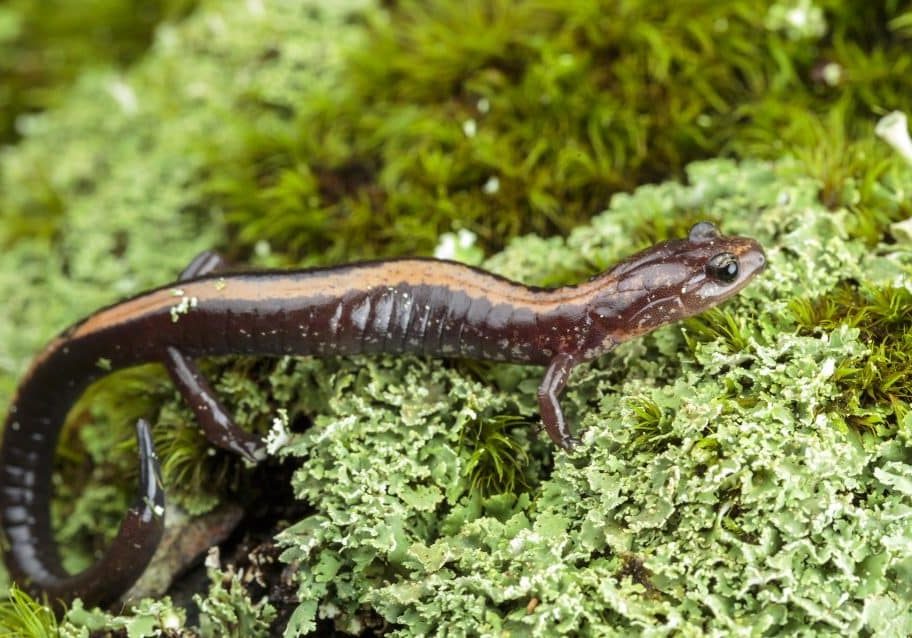
The Shenandoah salamander is a woodland salamander, which has adapted to life at higher elevations away from water. This sparkling rarity lives among the dry leaves, cracked logs, and stony hillocks on the highest peaks of Shenandoah National Park.
‘Foraging Is a Way of Connecting’
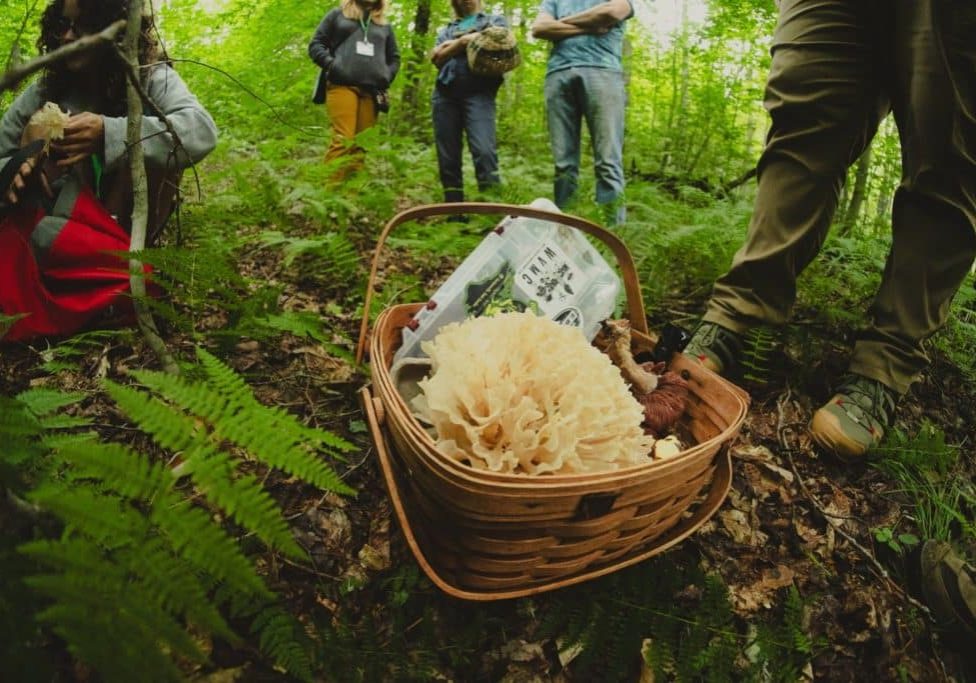
Foraging has experienced a modern resurgence, partly because of social media, online groups, the pandemic and people wanting to connect with nature. It also builds community, whether in person or online.

Leave a comment
Your email address will not be published. Required fields are marked *
Leave a Comment