

Reducing Methane Emissions from Wells Could Create Tens of Thousands of Jobs
By Grace Ficara
Tens of thousands of jobs would be needed across four states to decommission unplugged oil and gas wells, and to reduce emissions at operating wells in accordance with new federal guidelines, according to a February report from Ohio River Valley Institute, a think tank.
In December 2023, the Environmental Protection Agency announced new regulations to reduce methane emissions from oil and gas wells into the atmosphere. The agency has described methane as being “more potent than carbon dioxide and responsible for approximately one third of the warming from greenhouse gasses occurring today.”
Kentucky, Ohio, Pennsylvania and West Virginia would collectively require between 13,005 and 15,530 direct jobs to help reduce methane emissions in accordance with the new rules. Between 7,793 and 9,714 of these jobs would be temporary, while the others would be permanent.
The report also looks at decommissioning wells in the four-state area that are no longer in use but continue to leak into the air and earth. This involves plugging the well and remediating the site and contaminated areas.
Decommissioning the 64,607 documented orphaned wells — wells without a known or solvent operator — would support approximately 11,600 job years. Decommissioning all estimated unplugged wells in the region over the next few decades would create up to 157,000 direct job years.
These efforts would also create indirect jobs through the purchasing of goods and services, as well as the economic boost from employee pay.
The federal government has allotted approximately $6 billion to decommission orphaned oil and gas wells and reduce methane emissions from low-producing wells.
Related Articles
Latest News
More Stories

Halloween Approaches, and Night School Is in Session
The House of Art in Bluefield, West Virginia, looks like a haunted tower, making it the perfect location for its sixth annual haunt event: Night School. The Night School will be open every Friday and Saturday night through Oct. 31.
‘The Most Perfect Act of Love’
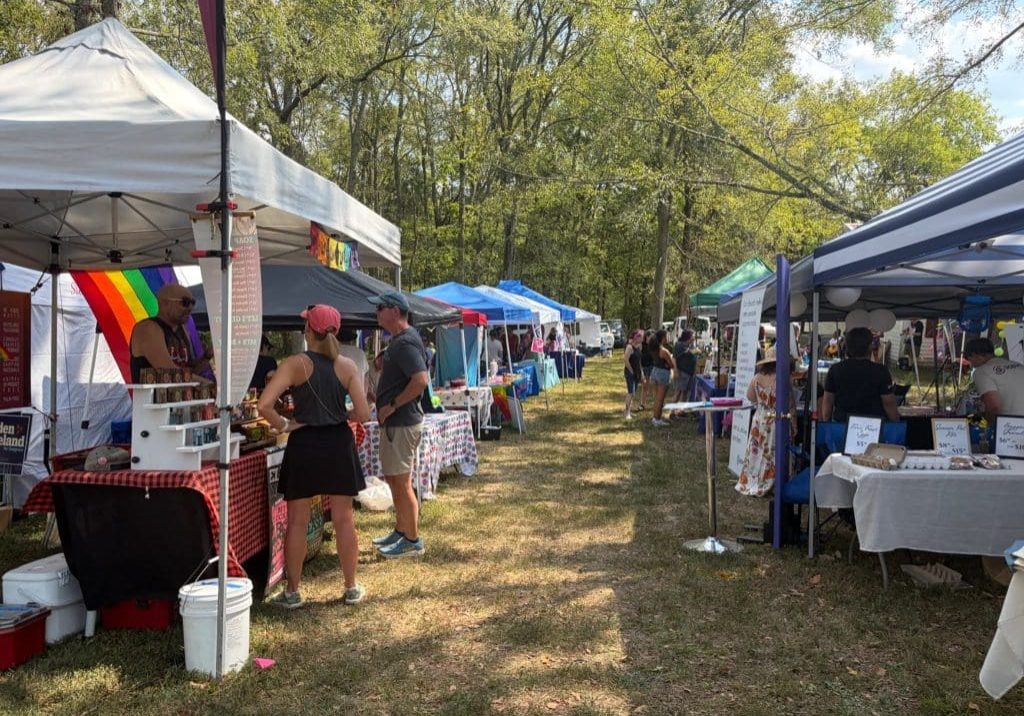
After losing its rural pride celebration, hundreds of people attended the second annual Affirming Sumner Pride celebration on a 24-acre farm dubbed “Fruity Farm” in Bethpage, Sumner County, Tennessee.
Signs of Life
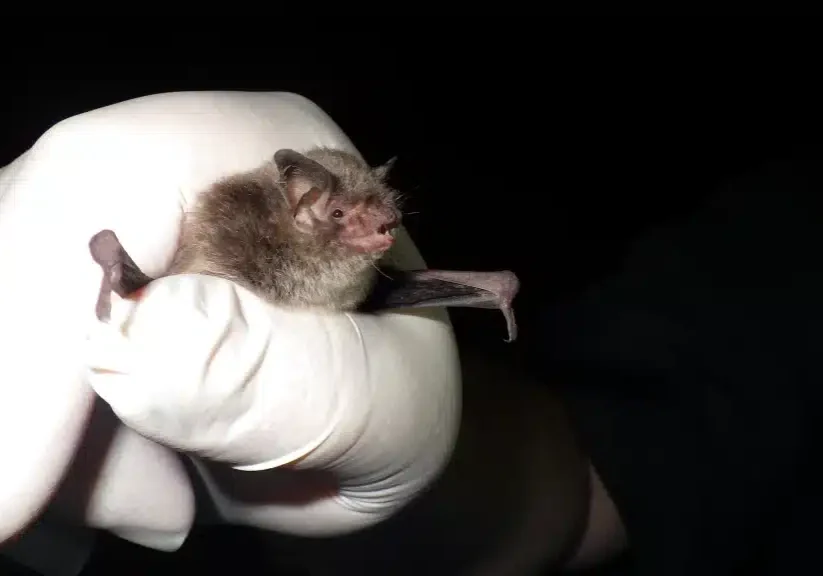
In the Nantahala National Forest, a team of biologists spotted Indiana bats, an endangered species that hasn’t been seen in North Carolina for the last 11 years.

‘First Line of Defense’
During Hurricane Helene and its aftermath, rural fire departments and other first responder hubs played critical roles in keeping their communities safe, even without power and cut off from outside support for days or weeks after the storm. Two years later, plenty of work remains to ensure these hubs have the resources they need to operate day to day and be ready when emergencies or natural disasters strike.

The Rocky Road — and Bridge — to Recovery
Hurricane Helene is estimated to have damaged nearly 7,000 private roads and bridges in Western North Carolina. Two years later, many restoration projects are complete, but the journey hasn’t been easy — and isn’t over for others.
After 20 Years, Letcher County Prison Proposal Is Still Alive, Though Obstacles Remain
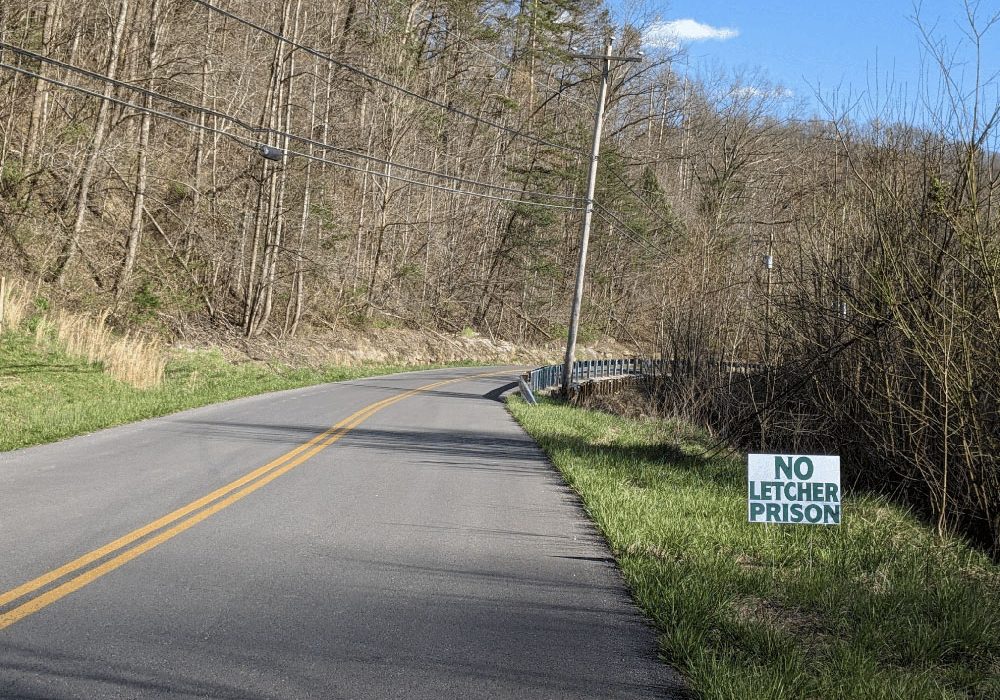
A $605 million proposal for a federal prison on a former strip mine site in Letcher County, Kentucky, championed by U.S. Rep. Hal Rogers, refuses to die, despite local opposition, a lack of support from the executive branch and numerous other obstacles.

Leave a comment
Your email address will not be published. Required fields are marked *
Leave a Comment