

“Succession School” to Help Ohio’s Elder Generation of Farmers
By Mary Schuermann Kuhlman, Public News Service – OH
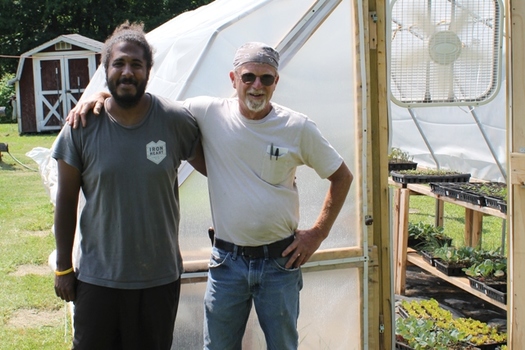
With the average farming age in Ohio of 59, the successful transfer of land will be an important issue in coming years. Photo courtesy of OEFFA
The future of our food system depends on the successful transfer of land to the next crop of farmers.
However, it can be an overwhelming process for the elder generation.
Kelly Cabral, farmland specialist for the Ohio Ecological Food and Farm Association said the direct descendants of farmers are becoming less interested in taking up the torch.
She said that can create soft issues that complicate the succession process, given the long-term financial and emotional investments of the elder generation.
“Transferring something that they’ve been building their whole life can be really emotional, Cabral said. “Oftentimes, there’s family dynamics at play; there’s a lot of communication issues. You know, they get stuck in these logjams where they can’t really move forward or have a really hard time letting go.”
In its work to help farmers with land transfers, OEFFA will host a three-part online workshop this fall.
Cabral said it will be like a “succession school,” as she and other experts offer guidance in land-access issues, leases, case management and other transfer matters.
Cabral added the average Ohio farmer is age 59, and roughly 10% of small farmers exit the business each year.
“These land transfers are going to be happening over the next 10 years, so it’s a critical time to get these farmers connected,” Cabral said. “One of the most important services is just linking people together who otherwise might not have the ability to connect.”
OEFFA runs Heartland FarmLink, a free online networking platform to connect farmers in need of land with those who are looking to lease or sell.
Cabral said the connections are crucial to ensuring the local food system is supported.
“There is this surge right now in younger folks interested in smaller-scale, sustainable farming systems,” Cabral said. “And so if we aren’t creating an environment for those businesses to thrive, we’re going to be missing out on all those opportunities.”
Related Articles
Latest News
More Stories

Halloween Approaches, and Night School Is in Session
The House of Art in Bluefield, West Virginia, looks like a haunted tower, making it the perfect location for its sixth annual haunt event: Night School. The Night School will be open every Friday and Saturday night through Oct. 31.
‘The Most Perfect Act of Love’
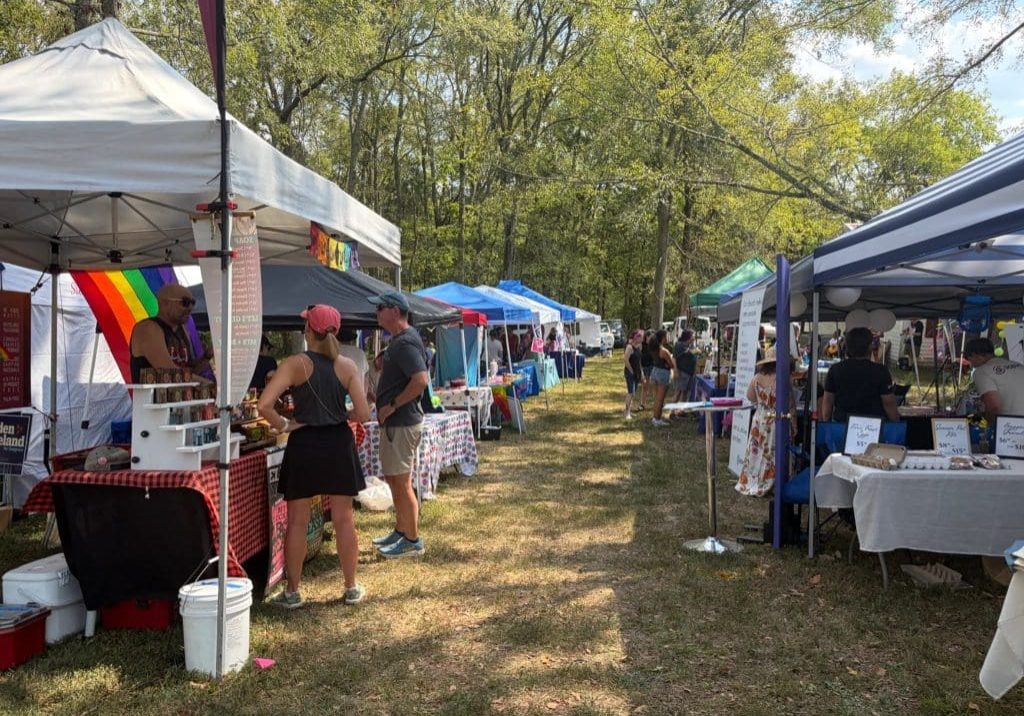
After losing its rural pride celebration, hundreds of people attended the second annual Affirming Sumner Pride celebration on a 24-acre farm dubbed “Fruity Farm” in Bethpage, Sumner County, Tennessee.

Signs of Life
In the Nantahala National Forest, a team of biologists spotted Indiana bats, an endangered species that hasn’t been seen in North Carolina for the last 11 years.

‘First Line of Defense’
During Hurricane Helene and its aftermath, rural fire departments and other first responder hubs played critical roles in keeping their communities safe, even without power and cut off from outside support for days or weeks after the storm. Two years later, plenty of work remains to ensure these hubs have the resources they need to operate day to day and be ready when emergencies or natural disasters strike.

The Rocky Road — and Bridge — to Recovery
Hurricane Helene is estimated to have damaged nearly 7,000 private roads and bridges in Western North Carolina. Two years later, many restoration projects are complete, but the journey hasn’t been easy — and isn’t over for others.
After 20 Years, Letcher County Prison Proposal Is Still Alive, Though Obstacles Remain
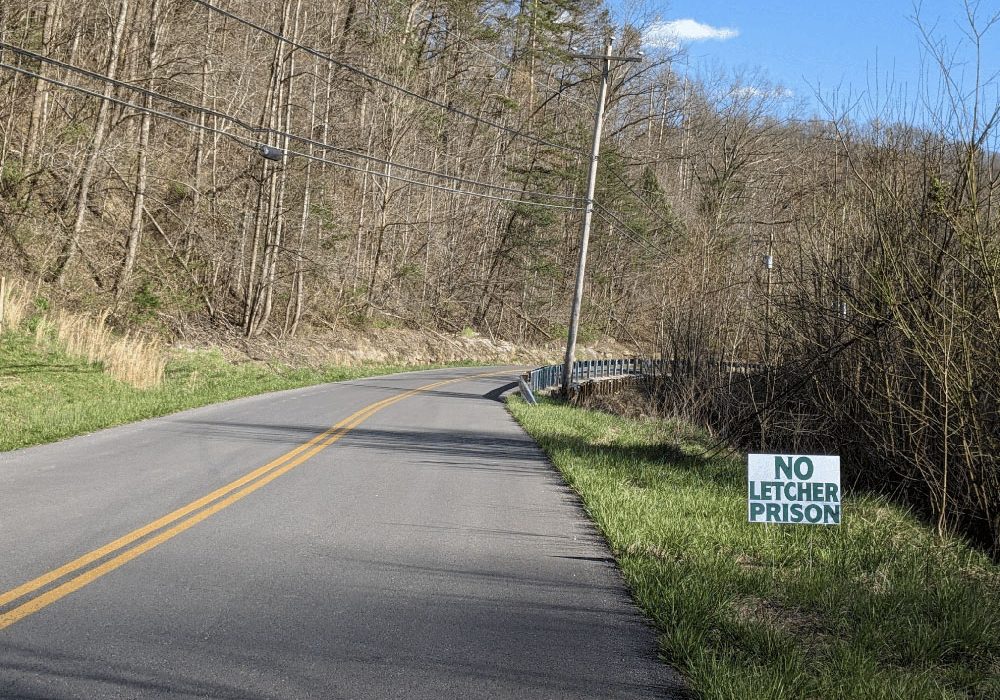
A $605 million proposal for a federal prison on a former strip mine site in Letcher County, Kentucky, championed by U.S. Rep. Hal Rogers, refuses to die, despite local opposition, a lack of support from the executive branch and numerous other obstacles.

Leave a comment
Your email address will not be published. Required fields are marked *
Leave a Comment