

Going Caving in West Virginia

Inside Organ Cave. Photo by Valerius Tygart
Organ Cave
Where: Near Lewisburg, W.Va., in Greenbrier County
How to access: The cave has more than 45 miles of mapped passages. Tours are offered year-round, and are by reservation only from November through April.Reservations are recommended May through October. Organ Cave is always closed on Sundays. Prices vary.
Difficulty: Tours range from kid-friendly to more advanced spelunking options called “Exploring Expeditions.”
Fun fact: Organ Cave is part of the longest cave system in the state and is listed as a National Natural Landmark. It is also listed on the National Register of Historic Places, and is a part of the West Virginia Civil War Trails. Organ Cave was used in the Civil War as a mining operation for saltpeter to produce gunpowder, and today the cave has the largest collection of saltpeter hoppers from the Civil War.
Contact: Visit organcave.com or call (304) 645-7600
West Virginia Cave Conservancy
Where: Various cave locations in West Virginia and Virginia
How to Access: While the conservancy strives to preserve access to the caves it manages, all commercial use of its properties is banned. Several of the caves require advance arrangements with the conservancy for access.
Difficulty: The conservancy’s cave preserves are largely restricted, and only highly experienced cavers are encouraged to explore these locations.
Fun fact: West Virginia Cave Conservancy is a volunteer-based nonprofit organization committed to preserving and managing cave resources. In order to protect significant caves and preserve the access to them, the conservancy owns and seeks out ownership of cave properties, as well as forming agreements with other property owners for the management of the caves.
Contact info: wvcc.net
Related Articles
Latest News
More Stories
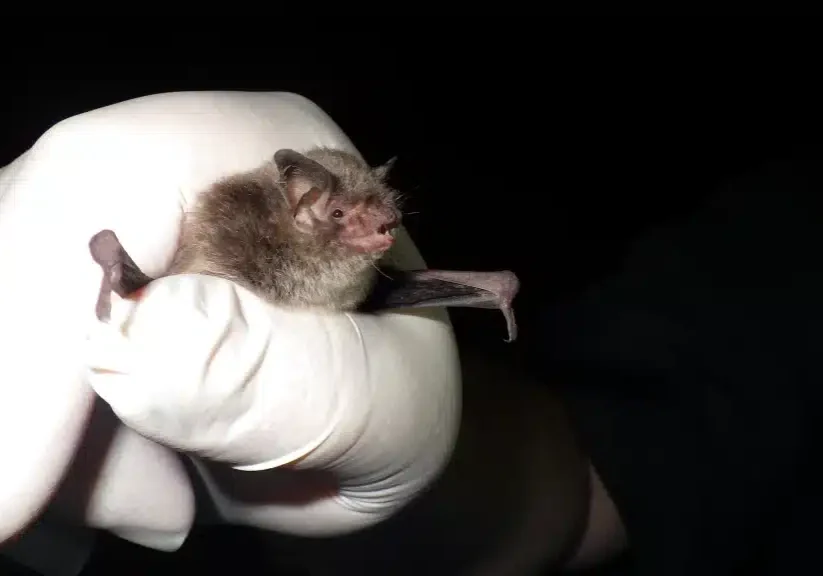
Signs of Life
In the Nantahala National Forest, a team of biologists spotted Indiana bats, an endangered species that hasn’t been seen in North Carolina for the last 11 years.
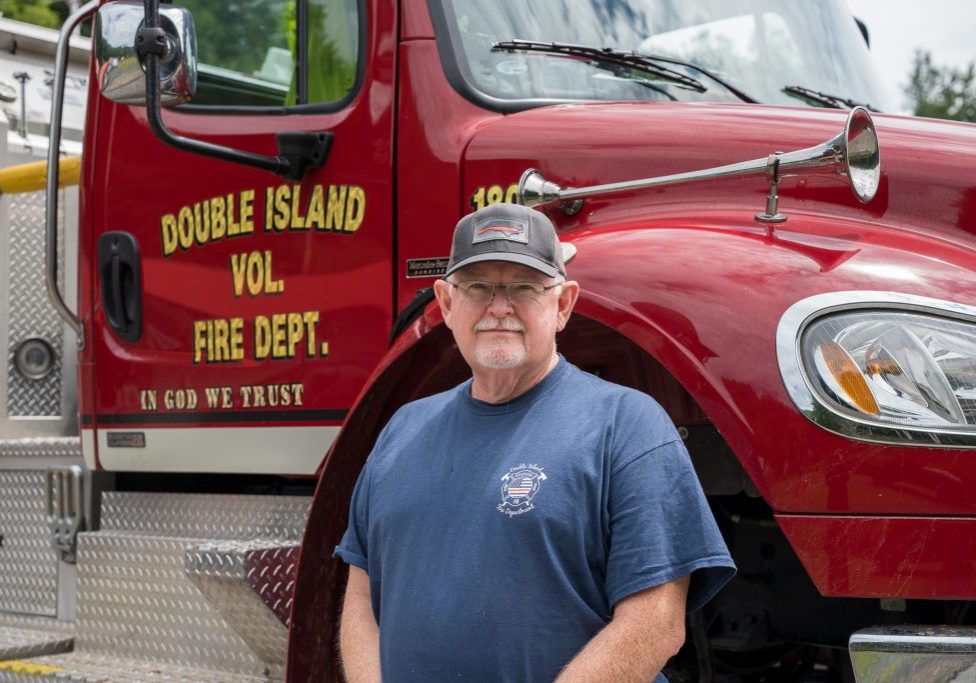
‘First Line of Defense’
During Hurricane Helene and its aftermath, rural fire departments and other first responder hubs played critical roles in keeping their communities safe, even without power and cut off from outside support for days or weeks after the storm. Two years later, plenty of work remains to ensure these hubs have the resources they need to operate day to day and be ready when emergencies or natural disasters strike.
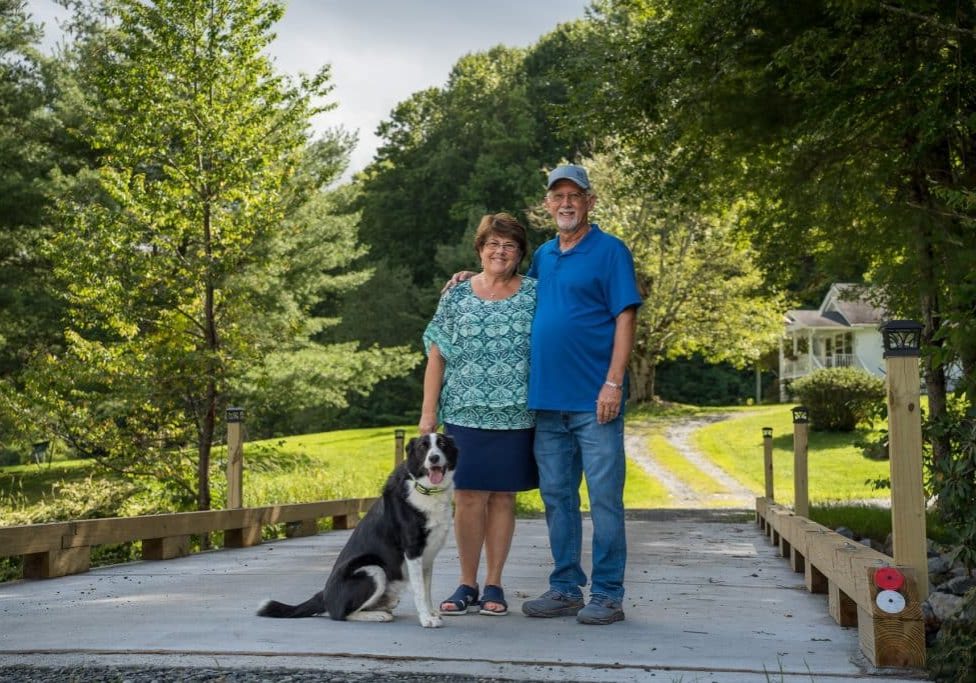
The Rocky Road — and Bridge — to Recovery
Hurricane Helene is estimated to have damaged nearly 7,000 private roads and bridges in Western North Carolina. Two years later, many restoration projects are complete, but the journey hasn’t been easy — and isn’t over for others.
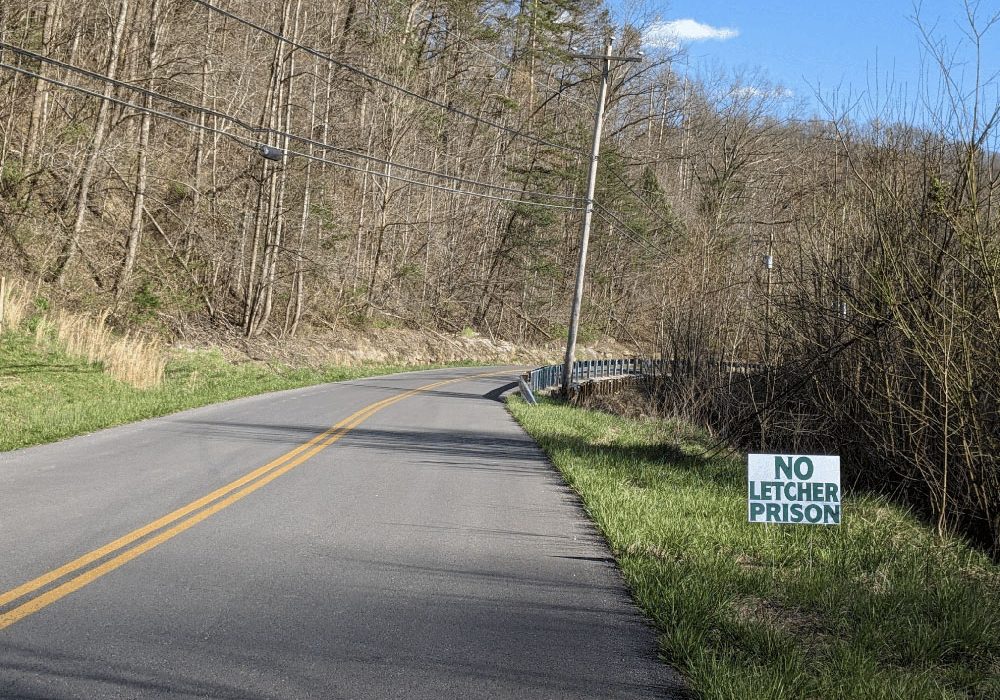
After 20 Years, Letcher County Prison Proposal Is Still Alive, Though Obstacles Remain
A $605 million proposal for a federal prison on a former strip mine site in Letcher County, Kentucky, championed by U.S. Rep. Hal Rogers, refuses to die, despite local opposition, a lack of support from the executive branch and numerous other obstacles.
The Washout and Rebuild
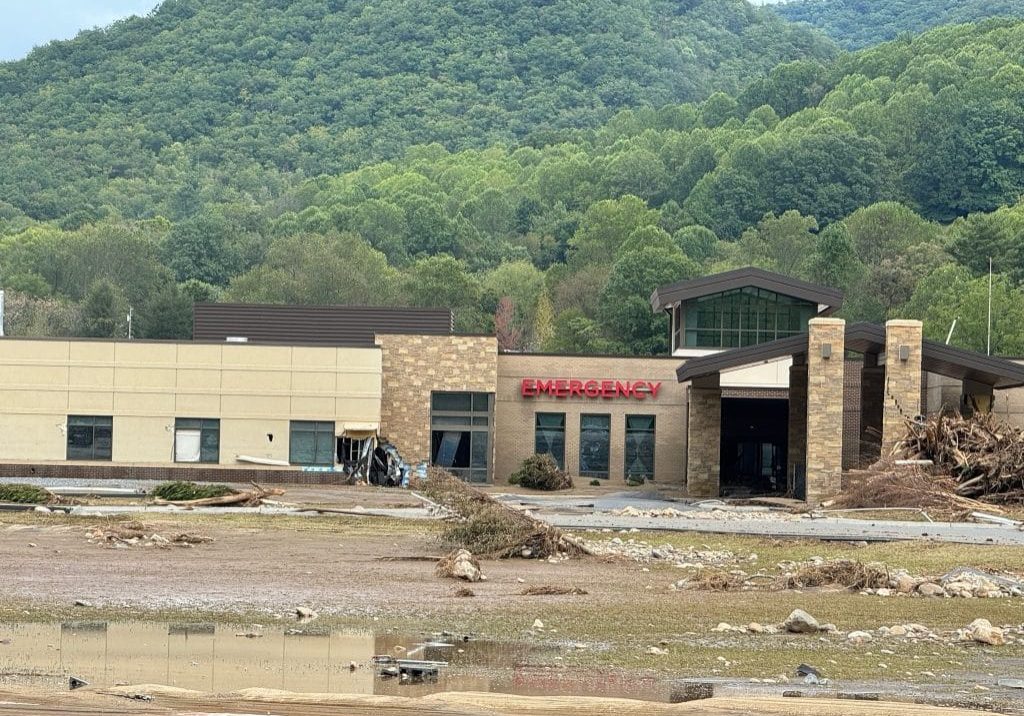
For nearly two years, residents of Unicoi County, Tennessee, have had to make do without a hospital after Hurricane Helene destroyed the rural hospital. Ballad Health, which owns the hospital, broke ground on a new location — in another floodplain — in August 2026.

The Shenandoah Salamander
The Shenandoah salamander is a woodland salamander, which has adapted to life at higher elevations away from water. This sparkling rarity lives among the dry leaves, cracked logs, and stony hillocks on the highest peaks of Shenandoah National Park.

Leave a comment
Your email address will not be published. Required fields are marked *
Leave a Comment