

Wildlife Center Continues Legal Fight for Raptor Rehab Facility
The Southwest Virginia Wildlife Center of Roanoke faces increasing financial burdens from a legal zoning battle with neighboring property owners.
In early 2018, the state and federally licensed wildlife rehabilitation center applied for a special use permit to build a raptor cage intended to lessen the time needed to heal the birds and eliminate the center’s need to transfer the animals to other facilities for flying rehabilitation.
After Roanoke County approved the special use permit, several people living near the wildlife center including Stanley and Jane Seymour appealed the approval, arguing that the permit violated zoning laws. The neighbors also claimed the cage would cause traffic concerns for a private road that leads into the center and decrease the value of surrounding properties.
In August 2018, the state Board of Zoning Appeals dismissed the neighbors’ appeal. However, the Seymours appealed again and the board issued a new set of building requirements for the raptor cage in September. The Seymours have since filed lawsuits against the county in an attempt to halt construction.
According to The Roanoke Times, the wildlife center has faced approximately $21,000 in legal fees. The legal battle has also put the center at risk of having to return a $55,000 grant from Wells Fargo, the main source of funding for the cage, due to not using the grant within the required time period. For the time being, Wells Fargo has granted the center an extension on spending the grant, The Times reported.
The Southwest Virginia Wildlife Center operates on a $160,000 yearly budget with little wiggle room for legal expenses. Center owner Sabrina Garvin told The Roanoke Times that the ongoing legal costs could easily reach approximately $50,000, and the additional building requirements will cost approximately $25,000. The center is seeking donations to alleviate some of the costs and has set up a GoFundMe account. As of Feb. 12, the center has raised approximately $6,000 of its $50,000 goal. — By Sam Kepple
Related Articles
Latest News
More Stories
Signs of Life
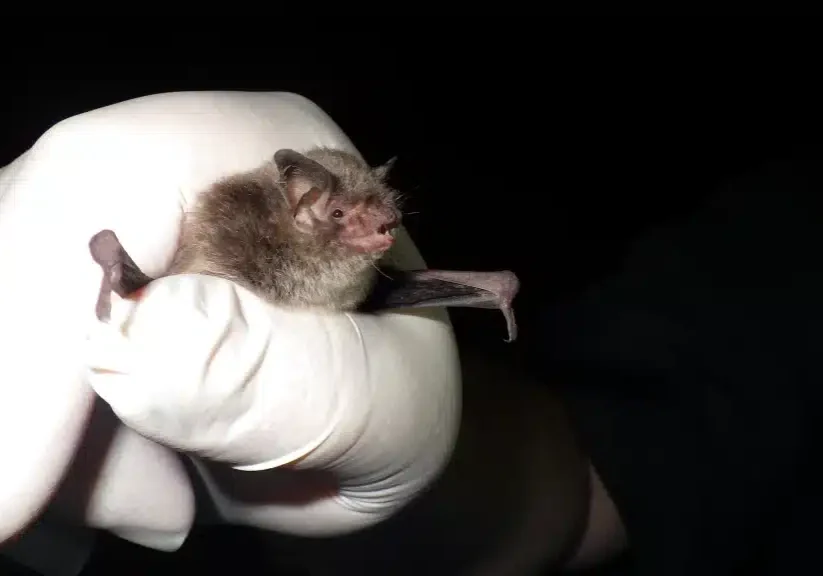
In the Nantahala National Forest, a team of biologists spotted Indiana bats, an endangered species that hasn’t been seen in North Carolina for the last 11 years.
‘First Line of Defense’
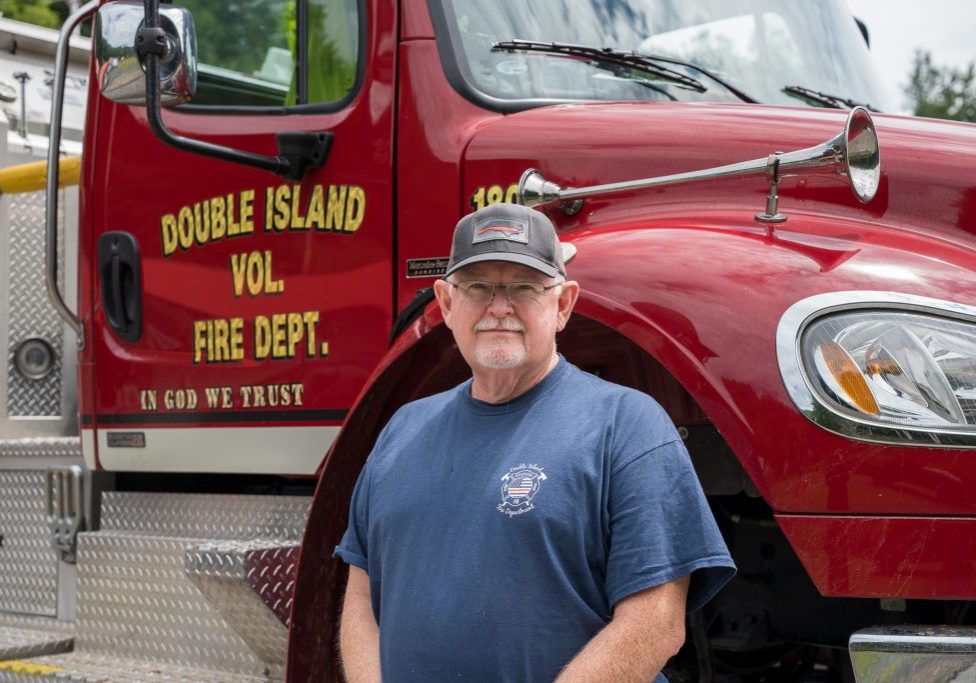
During Hurricane Helene and its aftermath, rural fire departments and other first responder hubs played critical roles in keeping their communities safe, even without power and cut off from outside support for days or weeks after the storm. Two years later, plenty of work remains to ensure these hubs have the resources they need to operate day to day and be ready when emergencies or natural disasters strike.
The Rocky Road — and Bridge — to Recovery
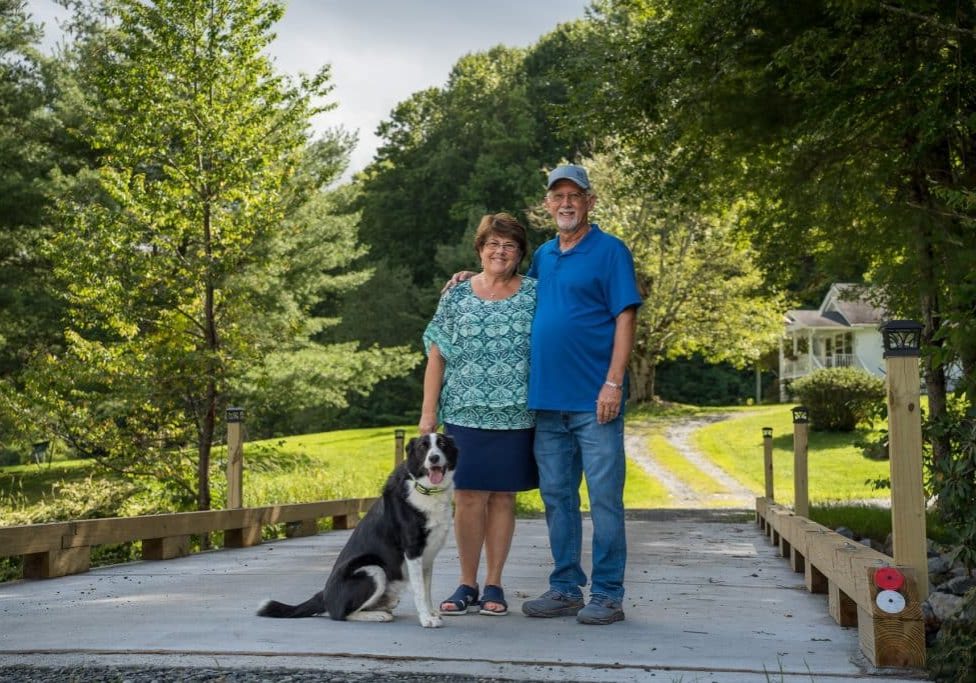
Hurricane Helene is estimated to have damaged nearly 7,000 private roads and bridges in Western North Carolina. Two years later, many restoration projects are complete, but the journey hasn’t been easy — and isn’t over for others.
After 20 Years, Letcher County Prison Proposal Is Still Alive, Though Obstacles Remain
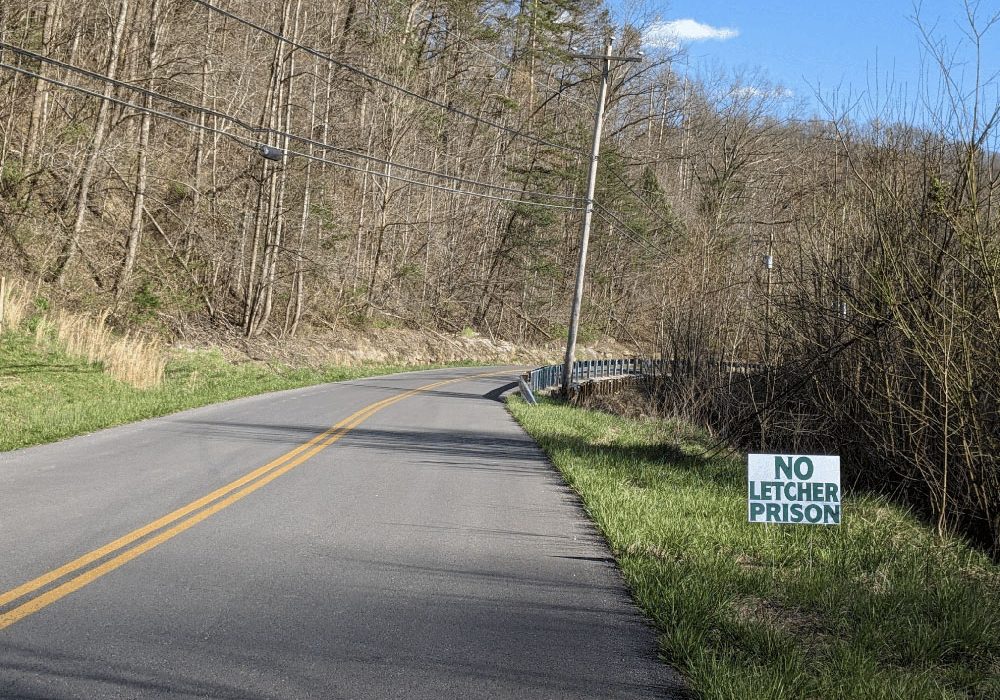
A $605 million proposal for a federal prison on a former strip mine site in Letcher County, Kentucky, championed by U.S. Rep. Hal Rogers, refuses to die, despite local opposition, a lack of support from the executive branch and numerous other obstacles.
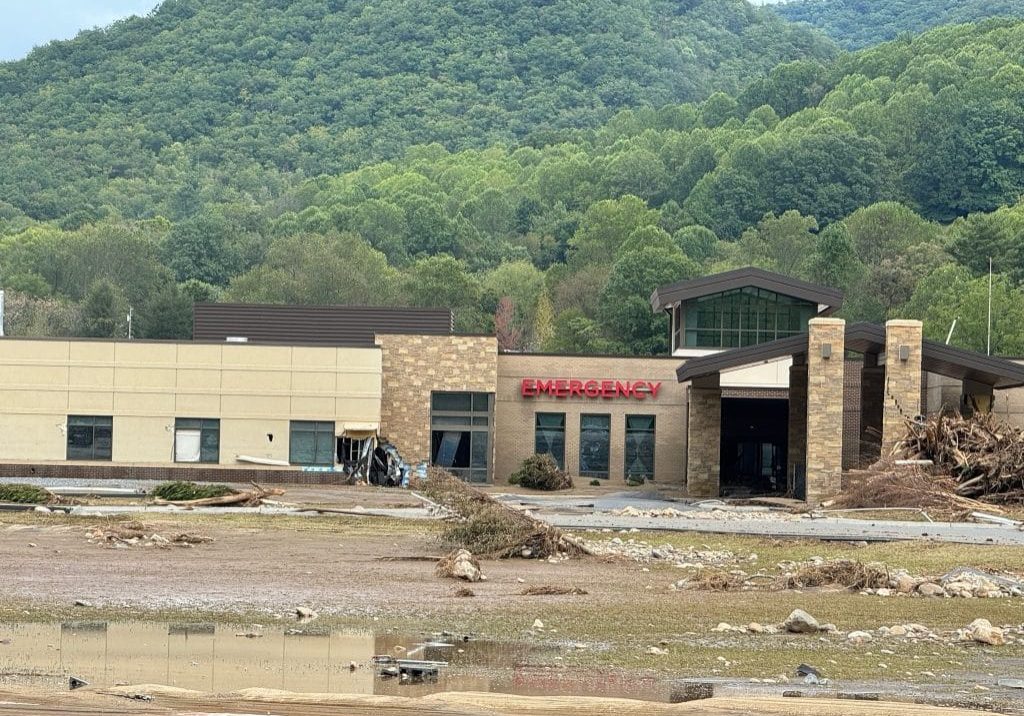
The Washout and Rebuild
For nearly two years, residents of Unicoi County, Tennessee, have had to make do without a hospital after Hurricane Helene destroyed the rural hospital. Ballad Health, which owns the hospital, broke ground on a new location — in another floodplain — in August 2026.
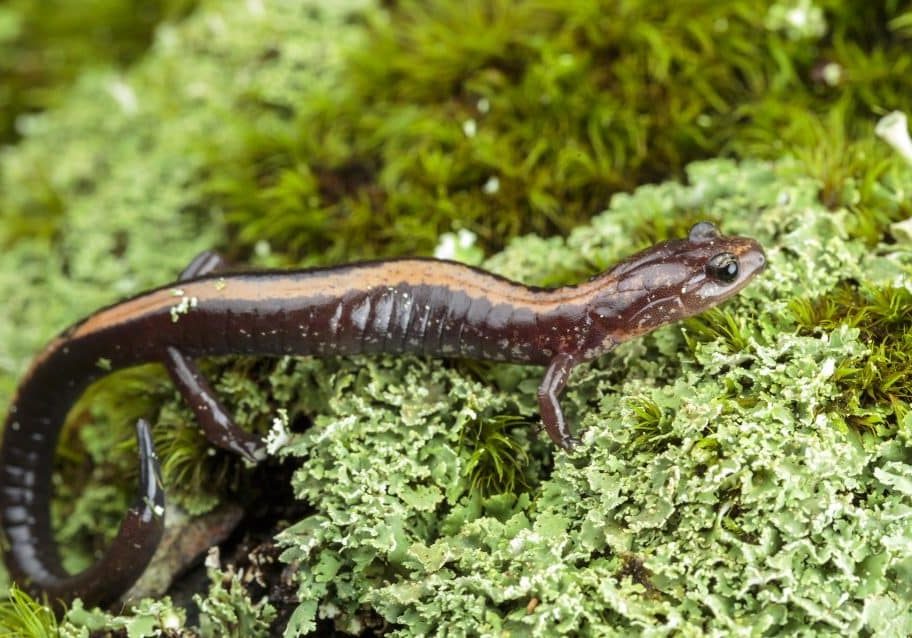
The Shenandoah Salamander
The Shenandoah salamander is a woodland salamander, which has adapted to life at higher elevations away from water. This sparkling rarity lives among the dry leaves, cracked logs, and stony hillocks on the highest peaks of Shenandoah National Park.

Leave a comment
Your email address will not be published. Required fields are marked *
Leave a Comment