

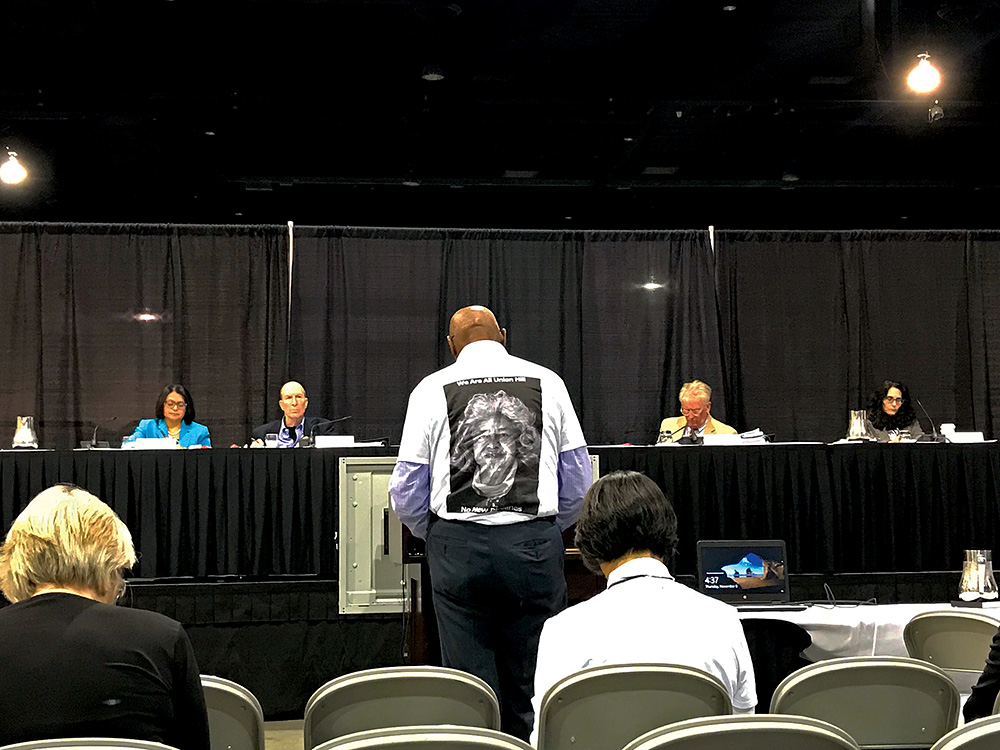
John Laury was one of several Union Hill residents who spoke before the Virginia Air Pollution Control Board on Nov. 8, 2018. Photo by Lara Mack
The planned industrial facility, which would operate 24/7 to push fracked gas through the pipeline, would be located in the predominately African-American community of Union Hill in Buckingham County, Va. While the air board members’ term ended in June, Gov. Northam had allowed them to stay on, like the more than 200 other gubernatorial appointees whose terms are up.
On Dec. 19, the board voted to again delay a final vote on the permit, and opened a new public comment period to review new information submitted by the Virginia Department of Environmental Quality. Gov. Northam’s two new appointees did not attend the meeting.
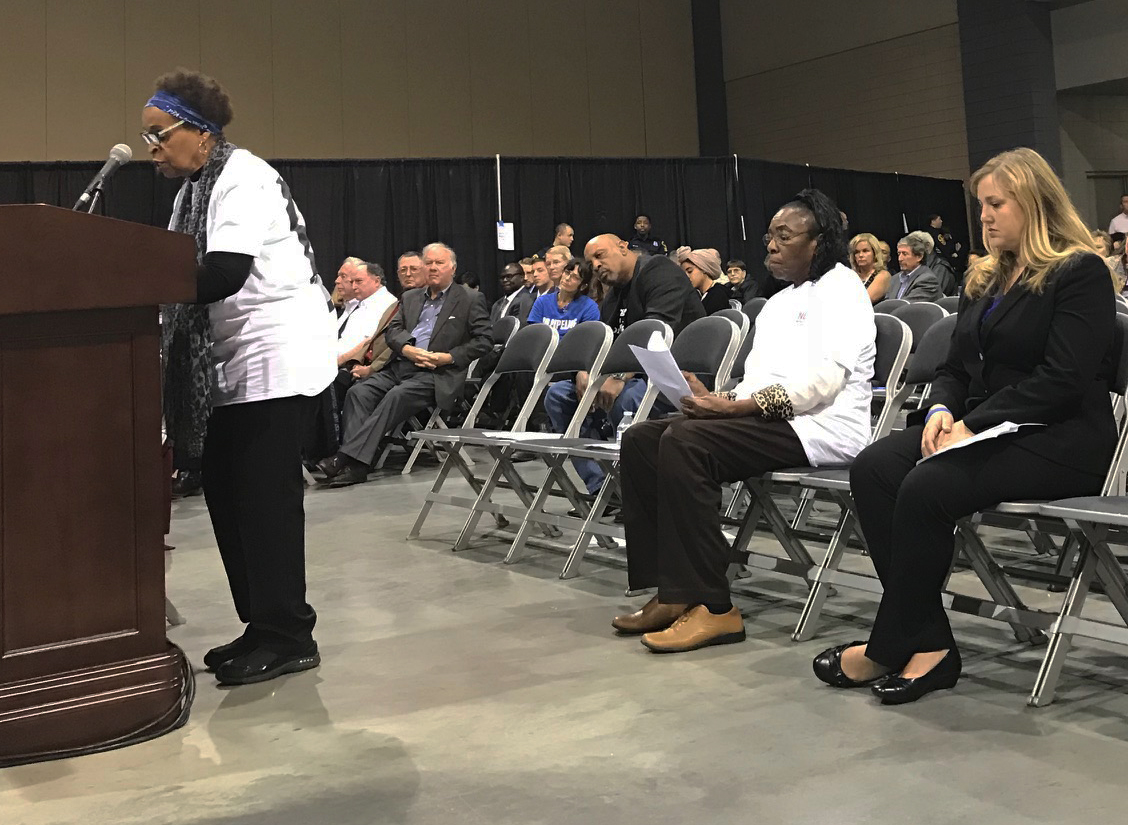
Marie Gillespie, a resident of the Union Hill neighborhood near the proposed compressor station, urges the State Air Pollution Control Board to reject the Buckingham Compressor Station on Nov. 8, 2018. Photo by Lara Mack
“‘Environmental racism’ is a phrase used to describe this systematic positioning,” the letter reads. “Right now, a consortium of companies led by Dominion Energy–the largest corporate donor in state political campaigns–is attempting to place the only Virginia compressor station for its unneeded, natural gas Atlantic Coast Pipeline in the low-income, mostly African-American community of Union Hill, in Buckingham County. Many area residents trace their ancestry to the people enslaved on or near the plantation land sold for this site.”
Related Stories
Gov. Northam also replaced two members of the State Water Control Board in November including Roberta Kellum, who attempted to pass a motion to revoke certificates for the Mountain Valley and Atlantic Coast pipelines. Robert Dunn, the other dismissed water board member, had voted in favor of pipeline permits. Environmental groups including Appalachian Voices, the publisher of this newspaper, were outraged by the governor’s action.
“Governor Northam has repeatedly promised that the Mountain Valley and Atlantic Coast pipelines would not be built unless they meet the strictest environmental standards,” said Appalachian Voices’ Virginia Program Manager Peter Anderson. “By removing three citizen board members who appeared to be holding the projects to those standards, the governor has undermined his own promise.”
— By Kevin Ridder
Editor’s Note: This article was updated Dec. 19 to reflect changes following our print edition’s press date on Dec. 6.
Related Articles
Latest News
More Stories

Halloween Approaches, and Night School Is in Session
The House of Art in Bluefield, West Virginia, looks like a haunted tower, making it the perfect location for its sixth annual haunt event: Night School. The Night School will be open every Friday and Saturday night through Oct. 31.
‘The Most Perfect Act of Love’
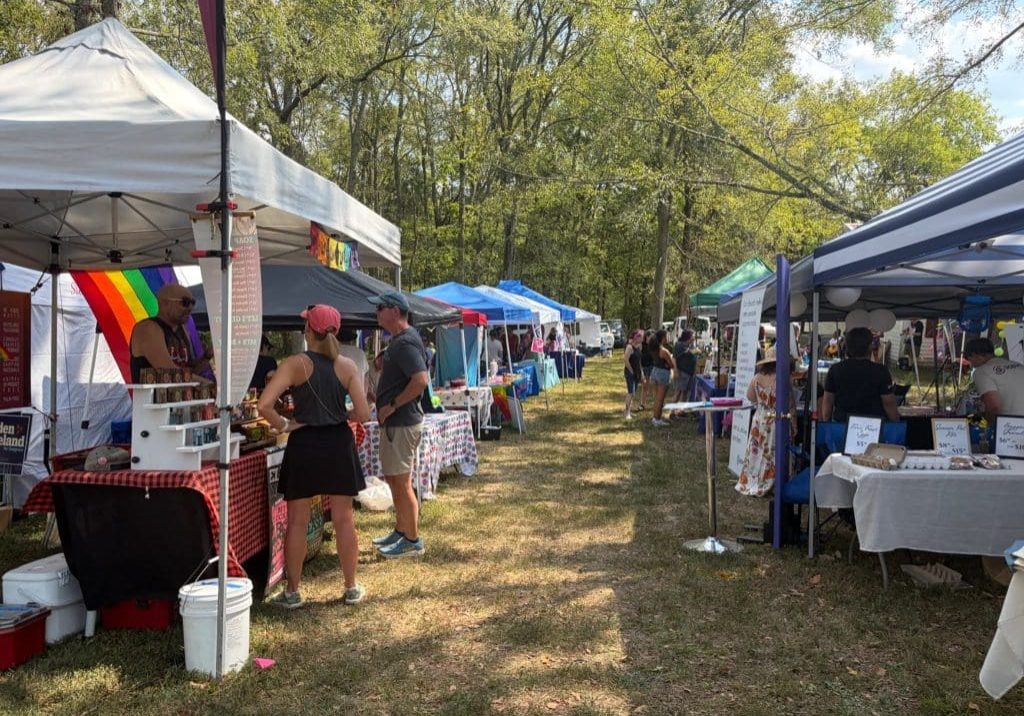
After losing its rural pride celebration, hundreds of people attended the second annual Affirming Sumner Pride celebration on a 24-acre farm dubbed “Fruity Farm” in Bethpage, Sumner County, Tennessee.

Signs of Life
In the Nantahala National Forest, a team of biologists spotted Indiana bats, an endangered species that hasn’t been seen in North Carolina for the last 11 years.

‘First Line of Defense’
During Hurricane Helene and its aftermath, rural fire departments and other first responder hubs played critical roles in keeping their communities safe, even without power and cut off from outside support for days or weeks after the storm. Two years later, plenty of work remains to ensure these hubs have the resources they need to operate day to day and be ready when emergencies or natural disasters strike.

The Rocky Road — and Bridge — to Recovery
Hurricane Helene is estimated to have damaged nearly 7,000 private roads and bridges in Western North Carolina. Two years later, many restoration projects are complete, but the journey hasn’t been easy — and isn’t over for others.
After 20 Years, Letcher County Prison Proposal Is Still Alive, Though Obstacles Remain
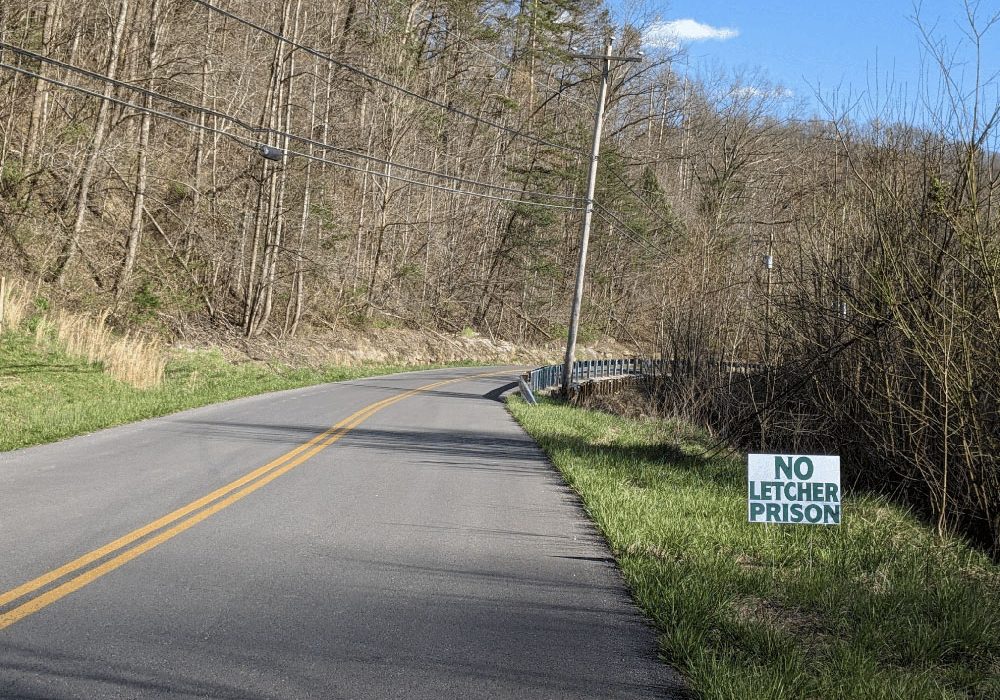
A $605 million proposal for a federal prison on a former strip mine site in Letcher County, Kentucky, championed by U.S. Rep. Hal Rogers, refuses to die, despite local opposition, a lack of support from the executive branch and numerous other obstacles.

Leave a comment
Your email address will not be published. Required fields are marked *
Leave a Comment