

By Lou Murrey
On April 29, citizens of Pikeville, Ky., Central Appalachia, and beyond showed up clad in red bandanas on the streets of downtown Pikeville in opposition to the white supremacist hate groups that had converged in Eastern Kentucky for the “Take a Stand for White Working Families” rally.
The Traditional Workers Party planned the rally intending to work with other white-supremacist groups, including the National Socialist Movement and the League of the South, to create a “National Front” in order to strengthen racist organizing in the United States. All three of those groups are designated as hate groups by the Southern Poverty Law Center.
Citizens of Eastern Kentucky had been vocal in their opposition to the presence of hate groups in their community from the time the rally was announced. A University of Pikeville student organized a counter-demonstration, the “Rally for Equality and American Values” to be held simultaneously across town, but it was cancelled due to threats.
Threats didn’t keep close to 200 counter-protesters from outnumbering and drowning out the speakers and attendees of the white-supremacist rally with noisemakers, chants and signs such as “Rednecks against Racism.”
At the rally, one local Pike County woman told a reporter from the independent media network Unicorn Riot, “We didn’t really plan on coming down here, but once we were watching it from afar and we just started thinking about it and we’re like, we can’t just stand here and not go, that’s just as bad as [the Nazis], so we came down here.” She continued, “It’s surreal, modern-day Nazis. I think they thought they were welcome here but they’re not.”
Pikeville isn’t the only place in Appalachia resisting messages of hate. On May 15 in Charlottesville, Va., hundreds of people gathered for a “vigil against hate” in response to a rally protesting the removal of a statue of Robert E. Lee the night before, which was led by known white supremacist Richard Spencer.
The response to the presence of white supremacists in Appalachian communities has been varied in tactics but unified in message: “hate is not welcome here.” As one local organizer of the Pikeville counter-protest who wishes to remain anonymous wrote, “We can’t give in to their scare tactics. We won’t let Nazis terrorize our community. Together we can show that Appalachians stand together for a world where all are equal.”
Related Articles
Latest News
More Stories

Halloween Approaches, and Night School Is in Session
The House of Art in Bluefield, West Virginia, looks like a haunted tower, making it the perfect location for its sixth annual haunt event: Night School. The Night School will be open every Friday and Saturday night through Oct. 31.
‘The Most Perfect Act of Love’
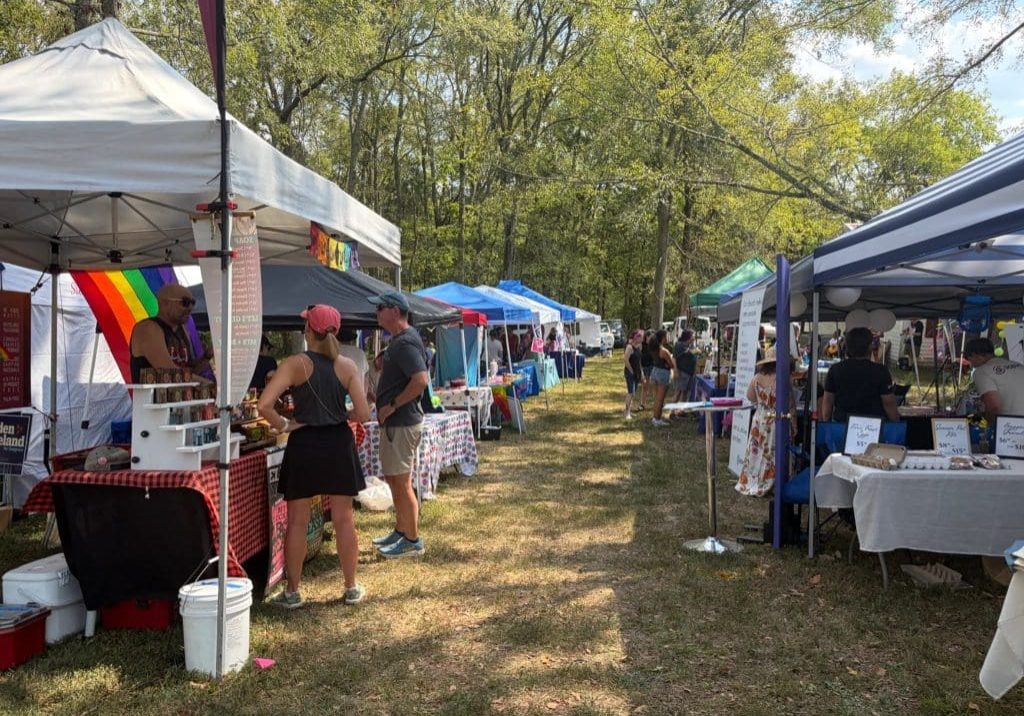
After losing its rural pride celebration, hundreds of people attended the second annual Affirming Sumner Pride celebration on a 24-acre farm dubbed “Fruity Farm” in Bethpage, Sumner County, Tennessee.

Signs of Life
In the Nantahala National Forest, a team of biologists spotted Indiana bats, an endangered species that hasn’t been seen in North Carolina for the last 11 years.

‘First Line of Defense’
During Hurricane Helene and its aftermath, rural fire departments and other first responder hubs played critical roles in keeping their communities safe, even without power and cut off from outside support for days or weeks after the storm. Two years later, plenty of work remains to ensure these hubs have the resources they need to operate day to day and be ready when emergencies or natural disasters strike.

The Rocky Road — and Bridge — to Recovery
Hurricane Helene is estimated to have damaged nearly 7,000 private roads and bridges in Western North Carolina. Two years later, many restoration projects are complete, but the journey hasn’t been easy — and isn’t over for others.
After 20 Years, Letcher County Prison Proposal Is Still Alive, Though Obstacles Remain
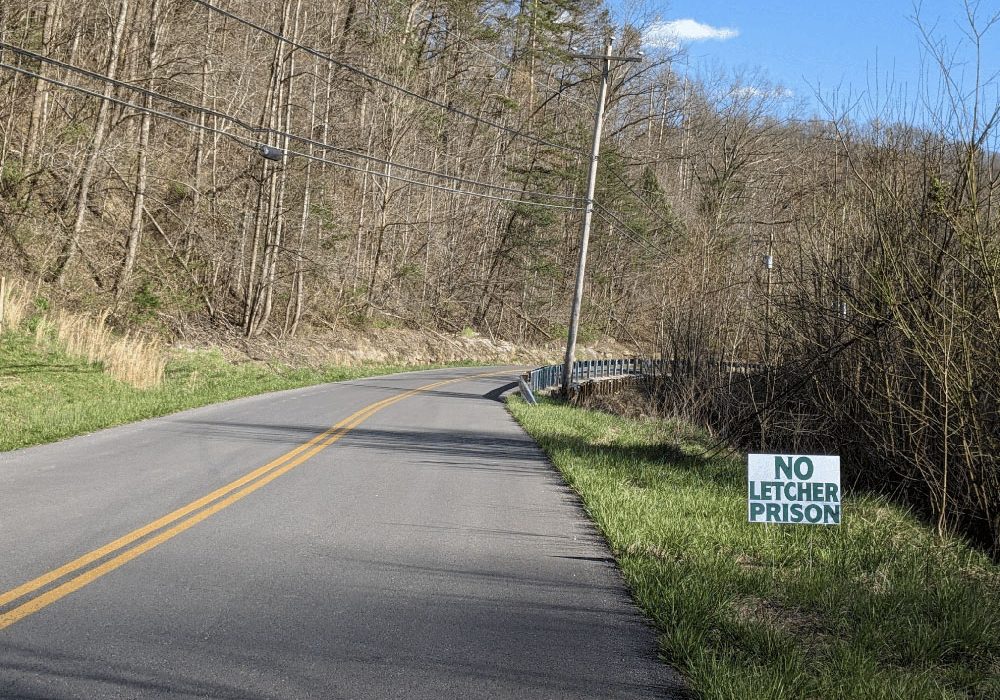
A $605 million proposal for a federal prison on a former strip mine site in Letcher County, Kentucky, championed by U.S. Rep. Hal Rogers, refuses to die, despite local opposition, a lack of support from the executive branch and numerous other obstacles.

Leave a comment
Your email address will not be published. Required fields are marked *
Leave a Comment