

State Governments Pass Bills to Increase Penalties for Pipeline Protests
Since March, while media attention has largely focused on the coronavirus pandemic, three states have passed bills that increase punishments against people who protest oil and gas development and designate oil and gas facilities as critical infrastructure. These bills, signed into law in Kentucky, South Dakota and West Virginia, all aim to discourage protesters from interfering with these facilities and pipelines by leveling fines and felony charges against them.
The Kentucky law, signed by the governor in March, states that tampering with a pipeline to make its operations “harmful or dangerous” is a felony. The first of two laws ratified by South Dakota makes “substantial interruption or impairment” of oil and gas facilities a felony charge. The second established the word “riot” to mean “any intentional use of force or violence by three or more persons, acting together and without authority of law, to cause any injury to any person or any damage to property” and denotes “incitement to riot” as a felony offense.
West Virginia’s March law levels fines of up to $5,000 and up to five years in prison for those who vandalize or impede the operations of gas and oil facilities causing “damages” totaling $2,500 or more. The law also imposes fines of up to $20,000 on anyone who conspires with people vandalizing or impeding operation.
“This legislation is aimed at chilling protest activity,” the West Virginia American Civil Liberties Union wrote in an online statement describing their opposition to the bill.
In Ohio, a bill passed by the State Senate in May would punish trespassing and property damage to critical infrastructure as a felony, with up to three years in prison. The bill is currently under review in a State House committee.
A similar law went into effect in Tennessee in May 2019 and makes interrupting or interfering with oil and gas facilities a felony. It also makes it a legal offense for a person or group to aid others in interrupting or interfering with these sites.
While lawmakers have framed these bills as necessary for public safety, critics argue the intention is to escalate criminal penalties for nonviolent protest.
“These laws do nothing new to protect communities,” Connor Gibson, a researcher for Greenpeace USA, told the Huffington Post. “Instead they seek to crack down on the sort of nonviolent civil disobedience that has shaped much of our nation’s greatest political and social victories.”
— By Finn Halloran
Related Articles
Latest News
More Stories

Halloween Approaches, and Night School Is in Session
The House of Art in Bluefield, West Virginia, looks like a haunted tower, making it the perfect location for its sixth annual haunt event: Night School. The Night School will be open every Friday and Saturday night through Oct. 31.
‘The Most Perfect Act of Love’
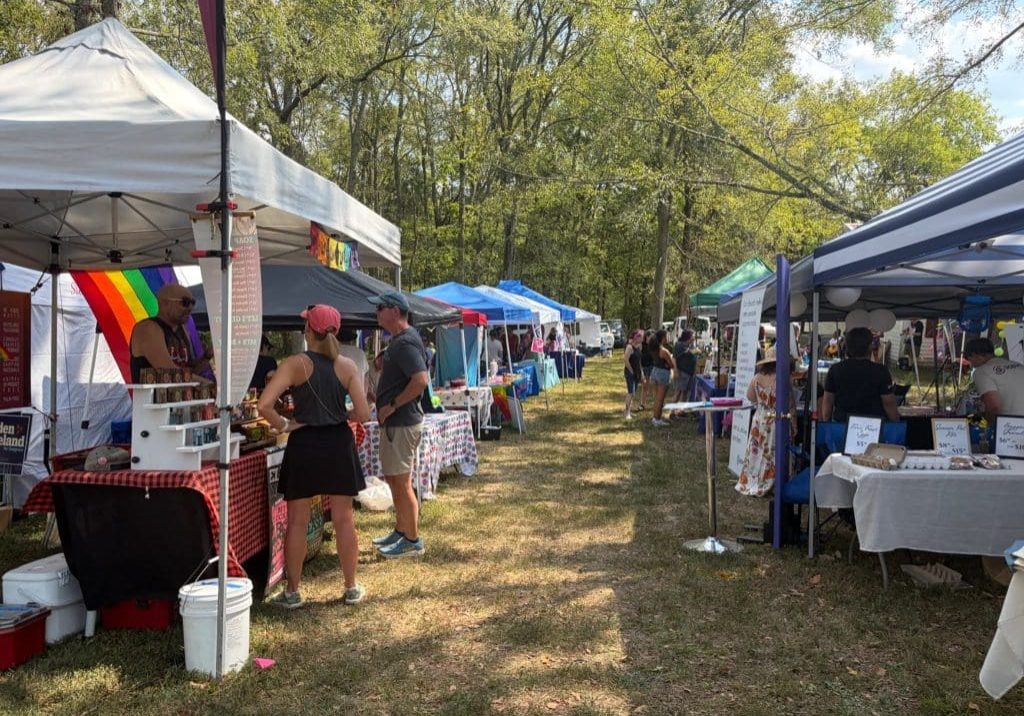
After losing its rural pride celebration, hundreds of people attended the second annual Affirming Sumner Pride celebration on a 24-acre farm dubbed “Fruity Farm” in Bethpage, Sumner County, Tennessee.

Signs of Life
In the Nantahala National Forest, a team of biologists spotted Indiana bats, an endangered species that hasn’t been seen in North Carolina for the last 11 years.
‘First Line of Defense’
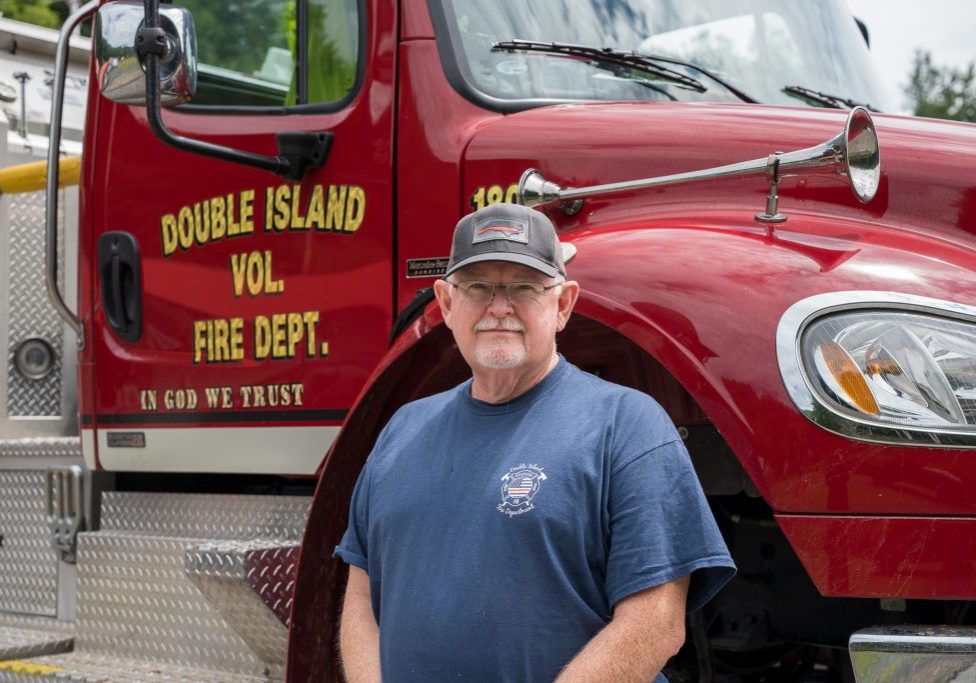
During Hurricane Helene and its aftermath, rural fire departments and other first responder hubs played critical roles in keeping their communities safe, even without power and cut off from outside support for days or weeks after the storm. Two years later, plenty of work remains to ensure these hubs have the resources they need to operate day to day and be ready when emergencies or natural disasters strike.
The Rocky Road — and Bridge — to Recovery
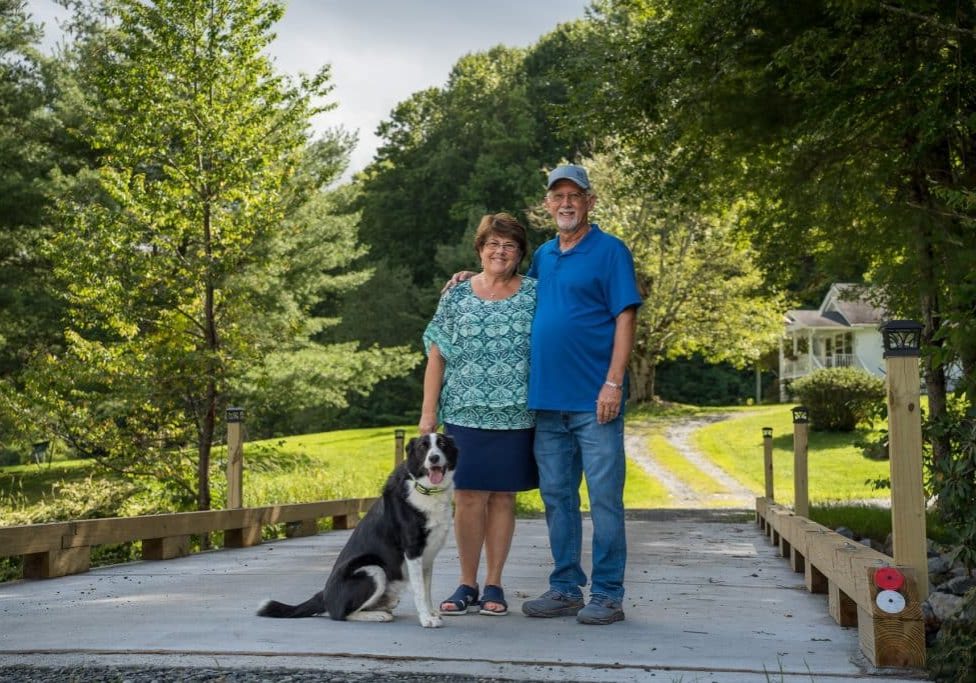
Hurricane Helene is estimated to have damaged nearly 7,000 private roads and bridges in Western North Carolina. Two years later, many restoration projects are complete, but the journey hasn’t been easy — and isn’t over for others.
After 20 Years, Letcher County Prison Proposal Is Still Alive, Though Obstacles Remain
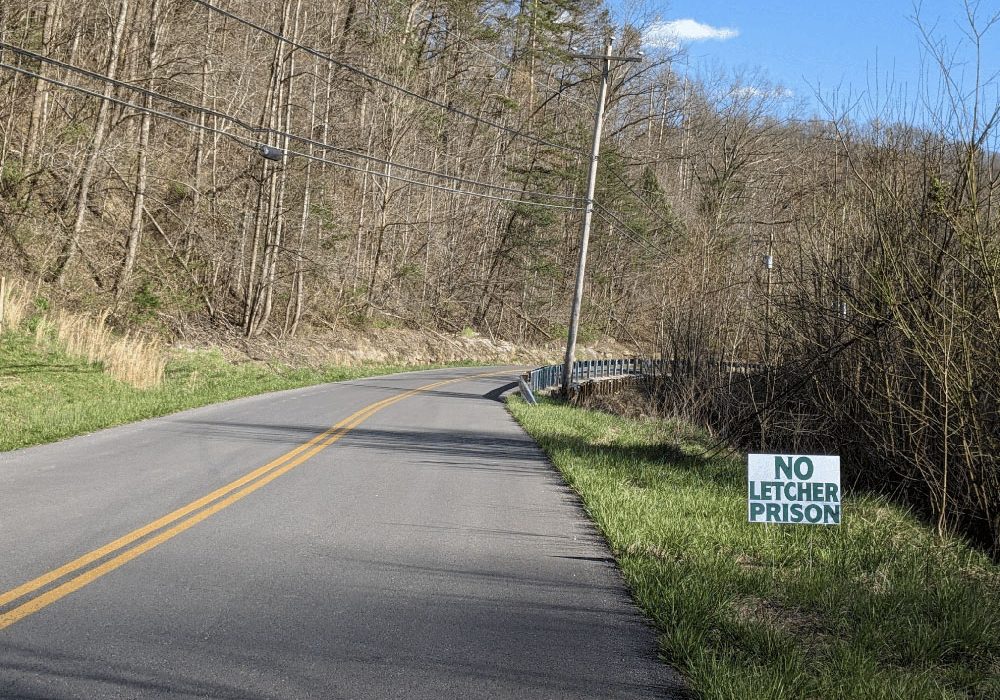
A $605 million proposal for a federal prison on a former strip mine site in Letcher County, Kentucky, championed by U.S. Rep. Hal Rogers, refuses to die, despite local opposition, a lack of support from the executive branch and numerous other obstacles.

Leave a comment
Your email address will not be published. Required fields are marked *
Leave a Comment