

By Hannah Petersen
Following a series of 15 public hearings throughout the month of March, on May 18 the N.C. Department of Environmental Quality released rankings for Duke Energy’s coal ash impoundments across the state. Eight sites are classified high priority, meaning the impoundments must be closed and the ash excavated and moved to another location by 2019. The remaining 25 were ranked intermediate, to be closed and excavated by 2024.
But these rankings could change. DEQ requested a change to the state law governing coal ash disposal and asked the General Assembly for an 18-month extension during which Duke Energy can take action to remediate issues that led to the intermediate classifications. According to DEQ, providing water to communities around the impoundments will alleviate water quality concerns, potentially allowing the agency to reclassify the intermediate rankings as low. A low-priority ranking would allow Duke to leave the ash.
“Residents are angered that DEQ is already asking the legislature to consider changing the coal ash law in 18 months, likely creating further delays and loopholes,” stated a press release from Alliance of Carolinians Together (ACT) Against Coal Ash — a coalition of community members directly impacted by the state’s coal ash.
The Coal Ash Commission, the regulatory body established by the state coal ash law to finalize the rankings, was ruled unconstitutional in March. As of press time in early June, the Senate and the House passed Senate Bill 71, which could reestablish the commission and provide future regulation for clean-up procedures. The Governor has threatened to veto it.
“This is a way for Duke to wiggle out of fixing the problem,” says Doris Smith, a Walnut Cove resident who lives roughly two miles from Duke’s Belews Creek Power Station, which was ranked intermediate. “Providing water does nothing for the pollution. The only solution is to get the ash out of here.”
In 2015, more than 300 residents living near Duke Energy coal ash ponds were sent “Do Not Drink” letters from the N.C. Department of Health and Human Services informing them of unsafe levels of heavy metals in their well water, including the carcinogen hexavalent chromium. This March, the state agencies rescinded those letters, claiming that further studies revealed the recommendations were overly cautious.
However, no physical well testing for contaminants occurred in North Carolina. During a deposition, DHHS State Epidemiologist Megan Davies revealed that the “extensive study” meant “reviewing literature,” and that the quantity of pollutants allowed, like hexavalent chromium, was changed to match more lenient federal guidelines.
When asked if she thought the letters should have been rescinded, the deposition transcript shows Davies’ response was “No.”
Related Articles
Latest News
More Stories
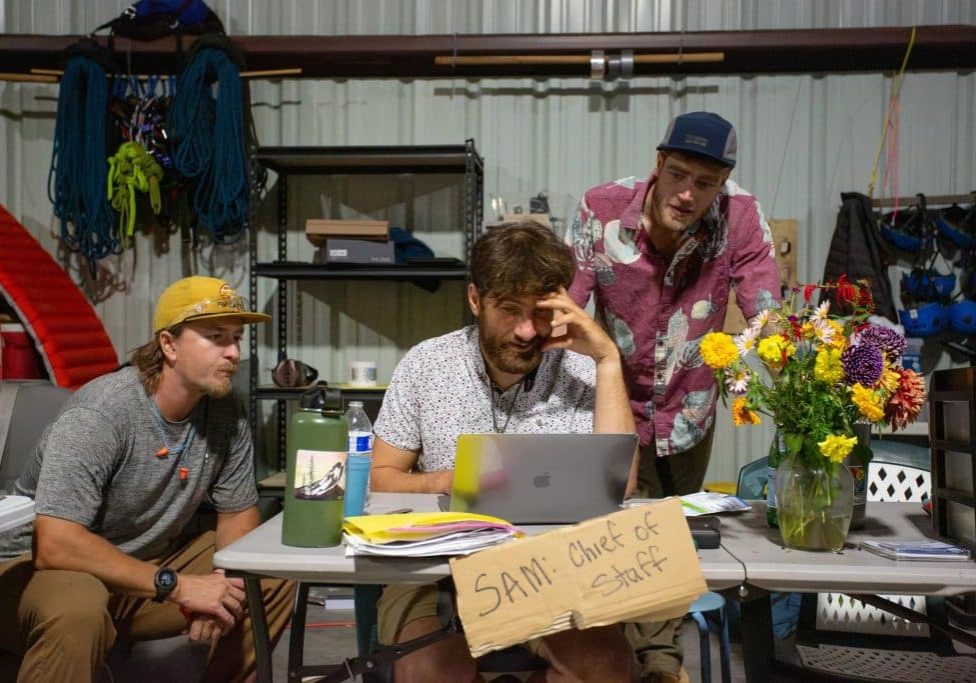
Neighbors Help Neighbors
A photo essay that celebrates the volunteer spirit of the grassroots group Hurricane Helene WNC and speaks to the resourcefulness, collaboration and hard work embodied by thousands and thousands of volunteers, first responders and aid workers across the region after Hurricane Helene.

Halloween Approaches, and Night School Is in Session
The House of Art in Bluefield, West Virginia, looks like a haunted tower, making it the perfect location for its sixth annual haunt event: Night School. The Night School will be open every Friday and Saturday night through Oct. 31.
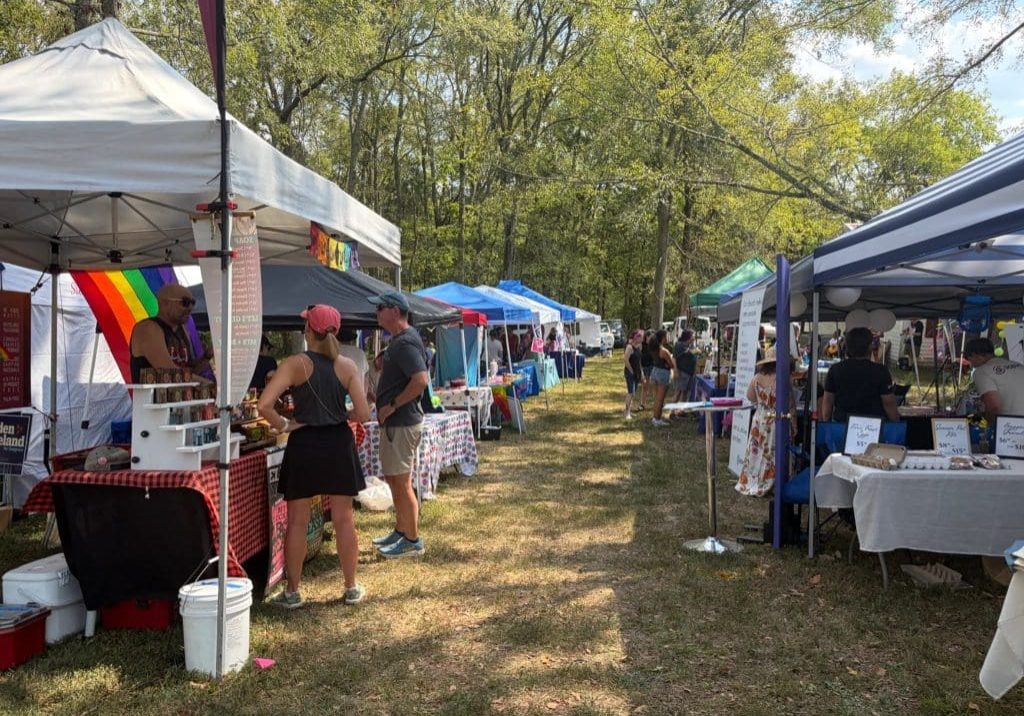
‘The Most Perfect Act of Love’
Hundreds of people attended the second annual Affirming Sumner Pride celebration on a 24-acre farm dubbed “Fruity Farm” in Bethpage, Sumner County, Tennessee.

Signs of Life: Endangered Bats Found in Nantahala for First Time in More Than a Decade
In the Nantahala National Forest, a team of biologists spotted Indiana bats, an endangered species that hasn’t been seen in North Carolina for the last 11 years.

‘First Line of Defense’
During Hurricane Helene and its aftermath, rural fire departments and other first responder hubs played critical roles in keeping their communities safe, even without power and cut off from outside support for days or weeks after the storm. Two years later, plenty of work remains to ensure these hubs have the resources they need to operate day to day and be ready when emergencies or natural disasters strike.

The Rocky Road — and Bridge — to Recovery
Hurricane Helene is estimated to have damaged nearly 7,000 private roads and bridges in Western North Carolina. Two years later, many restoration projects are complete, but the journey hasn’t been easy — and isn’t over for others.

Leave a comment
Your email address will not be published. Required fields are marked *
Leave a Comment