

By Megan Pettey
North Carolina residents, businesses and environmental groups are criticizing Duke Energy’s proposed carbon plan, which was filed before the North Carolina Utilities Commission in May. The groups are calling on the utilities commission to push for a final plan that includes more renewable power and energy efficiency, and addresses affordability.
As the largest energy provider in the state, Duke Energy is required to cut 70% of its carbon emissions by 2030 using the lowest-cost mix of energy production, a goal outlined in HB 951 Energy Solutions for North Carolina.
Gov. Roy Cooper signed HB 951 in 2021. The law mandates carbon neutrality in the state by 2050 and gives the utilities commission the responsibility of collaborating with Duke Energy to determine energy solutions.
In their proposal, Duke Energy highlights four pathways that include a mixture of fracked gas, solar energy, wind energy and developing new nuclear energy. Only one of the proposed pathways would meet the 70% reduced emissions goal by 2030.
Duke’s plan to make new investments in fossil gas and increase bills for customers raises concern among several environmental and social justice advocates.
People Power NC, a group of social justice and clean energy organizations, released a report card in response to Duke Energy’s draft carbon plan The report highlights Duke’s failure to address affordability, an issue that would affect low- and moderate-income families already struggling to pay utility bills.
Duke’s reliance on methane gas would increase fracking, a process used to extract gas that releases large amounts of methane into the environment. It would also increase the number of fracked-gas pipelines in the Appalachian region. As a more potent greenhouse gas than carbon dioxide with a higher capacity to warm the environment, methane emissions could offset any progress made by cutting carbon emissions.
“We encourage the commission to put forth a carbon plan that incorporates clean energy investments that meet our state’s carbon goals in a more affordable and equitable manner,” says Rory McIlmoil, senior energy analyst with Appalachian Voices, the organization that publishes The Appalachian Voice.
Yunus Kinkhabwala, a clean energy scientist for PSE Healthy Energy, co-authored a report included in Appalachian Voices’ formal comments on Duke’s draft plan. “Our analysis shows that increasing renewables is not only feasible, but can drastically reduce financial burdens, public health damages, and carbon emissions from the proposed scenarios in Duke’s plan,” Kinkhabwala says.
Intervening parties had until July 15 to respond to Duke’s carbon plan, and a series of five public hearings began July 11. The utilities commission’s final carbon plan is due on Dec. 31, which will then be revisited every two years.
Related Articles
Latest News
More Stories

Halloween Approaches, and Night School Is in Session
The House of Art in Bluefield, West Virginia, looks like a haunted tower, making it the perfect location for its sixth annual haunt event: Night School. The Night School will be open every Friday and Saturday night through Oct. 31.
‘The Most Perfect Act of Love’
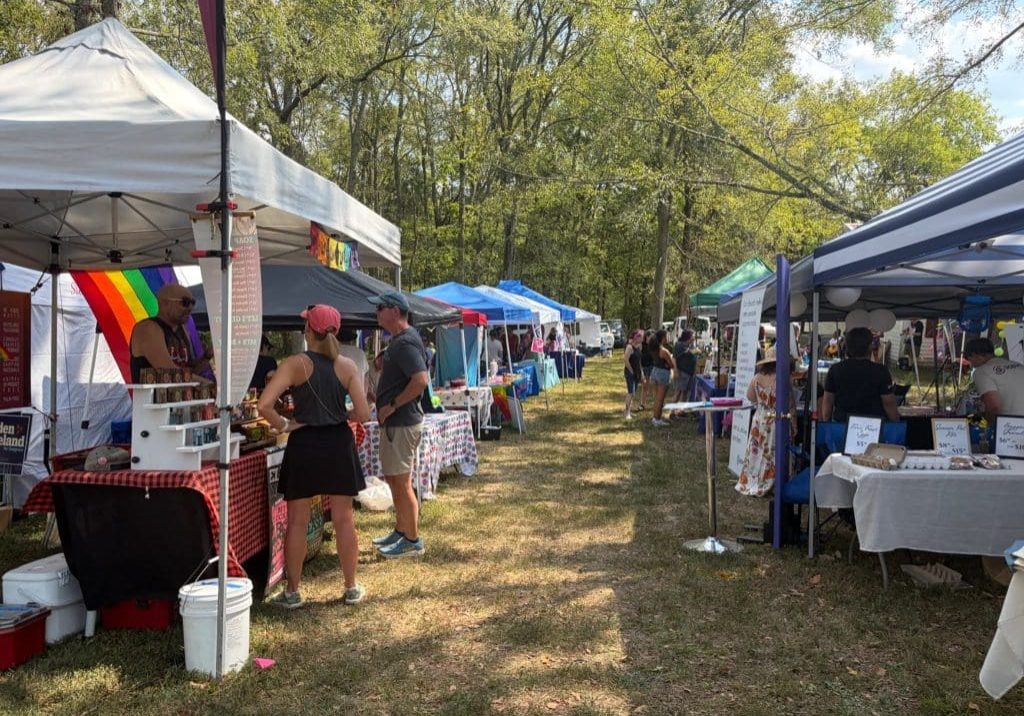
After losing its rural pride celebration, hundreds of people attended the second annual Affirming Sumner Pride celebration on a 24-acre farm dubbed “Fruity Farm” in Bethpage, Sumner County, Tennessee.

Signs of Life
In the Nantahala National Forest, a team of biologists spotted Indiana bats, an endangered species that hasn’t been seen in North Carolina for the last 11 years.

‘First Line of Defense’
During Hurricane Helene and its aftermath, rural fire departments and other first responder hubs played critical roles in keeping their communities safe, even without power and cut off from outside support for days or weeks after the storm. Two years later, plenty of work remains to ensure these hubs have the resources they need to operate day to day and be ready when emergencies or natural disasters strike.

The Rocky Road — and Bridge — to Recovery
Hurricane Helene is estimated to have damaged nearly 7,000 private roads and bridges in Western North Carolina. Two years later, many restoration projects are complete, but the journey hasn’t been easy — and isn’t over for others.
After 20 Years, Letcher County Prison Proposal Is Still Alive, Though Obstacles Remain
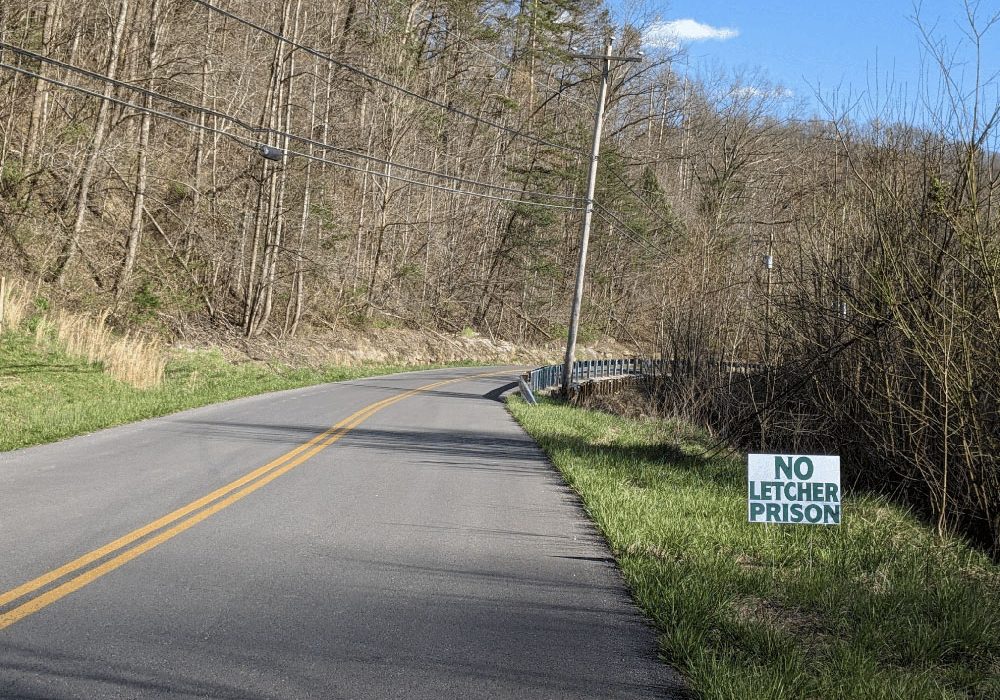
A $605 million proposal for a federal prison on a former strip mine site in Letcher County, Kentucky, championed by U.S. Rep. Hal Rogers, refuses to die, despite local opposition, a lack of support from the executive branch and numerous other obstacles.

Leave a comment
Your email address will not be published. Required fields are marked *
Leave a Comment