

By W. Spencer King and Molly Moore
A recent N.C. Court of Appeals decision has drawn attention to a years-long legal battle over ownership of the City of Asheville’s water system.
Legislation passed by the N.C. General Assembly in 2013 required the city to transfer its water system to the Metropolitan Sewerage District of Buncombe County. The transfer was delayed while the city sued to block the action. In June 2014, a trial court judge ruled in favor of the city.
The state appealed, and in October 2015, the N.C. Court of Appeals upheld the state law that requires the city to transfer its water system to the regional authority.
“The decision sets a precedent that local governments can have water systems and not necessarily own them,” says Katie Hicks of Clean Water North Carolina. “[It would] make it harder for local governments to invest in their water infrastructure because they’re concerned that at any time it could be taken away from them.”
In West Virginia, a movement to transfer ownership of West Virginia American Water Company to public hands continues. The privately owned company is requesting a 28 percent rate increase from the state’s Public Service Commission. Advocates for A Safe Water System, a grassroots organization formed in the wake of the MCHM chemical spill in January 2014 and is concerned that the company is not prioritizing water safety and reliability.
“What we’ve learned in the rate case emphasizes the need for a public water system,” Karan Ireland, Charleston city council member and steering committee member of Advocates for a Safe Water System, said in a press statement. “The water company says they won’t make the investments we need without higher profits. We need a public water system so that safe and reliable water can be the top priority.”
Related Articles
Latest News
More Stories

Halloween Approaches, and Night School Is in Session
The House of Art in Bluefield, West Virginia, looks like a haunted tower, making it the perfect location for its sixth annual haunt event: Night School. The Night School will be open every Friday and Saturday night through Oct. 31.
‘The Most Perfect Act of Love’
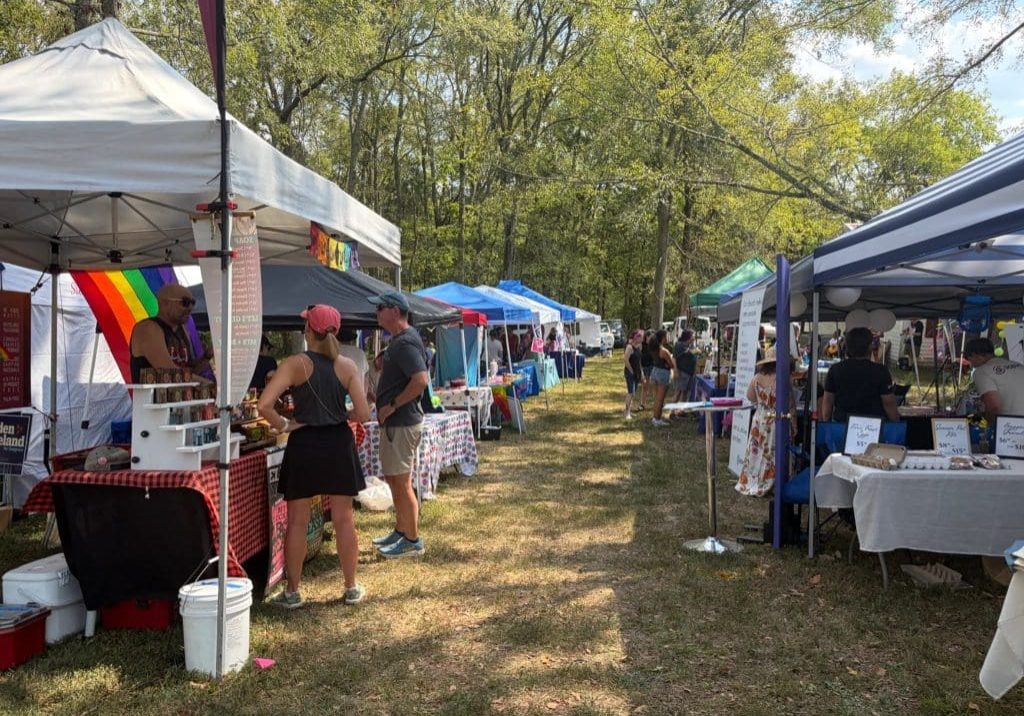
After losing its rural pride celebration, hundreds of people attended the second annual Affirming Sumner Pride celebration on a 24-acre farm dubbed “Fruity Farm” in Bethpage, Sumner County, Tennessee.

Signs of Life
In the Nantahala National Forest, a team of biologists spotted Indiana bats, an endangered species that hasn’t been seen in North Carolina for the last 11 years.
‘First Line of Defense’
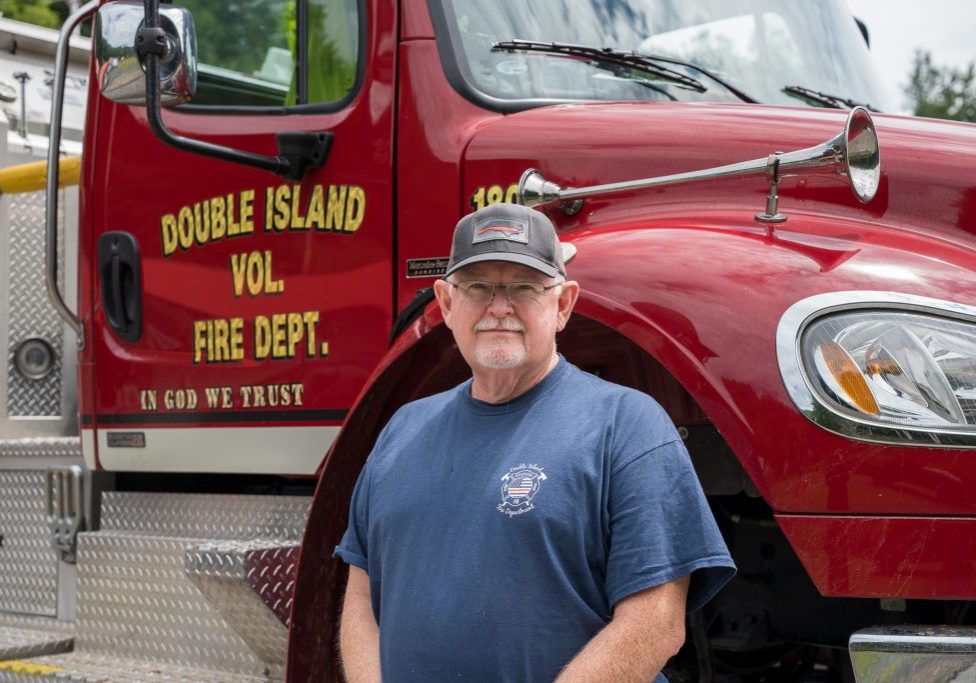
During Hurricane Helene and its aftermath, rural fire departments and other first responder hubs played critical roles in keeping their communities safe, even without power and cut off from outside support for days or weeks after the storm. Two years later, plenty of work remains to ensure these hubs have the resources they need to operate day to day and be ready when emergencies or natural disasters strike.
The Rocky Road — and Bridge — to Recovery
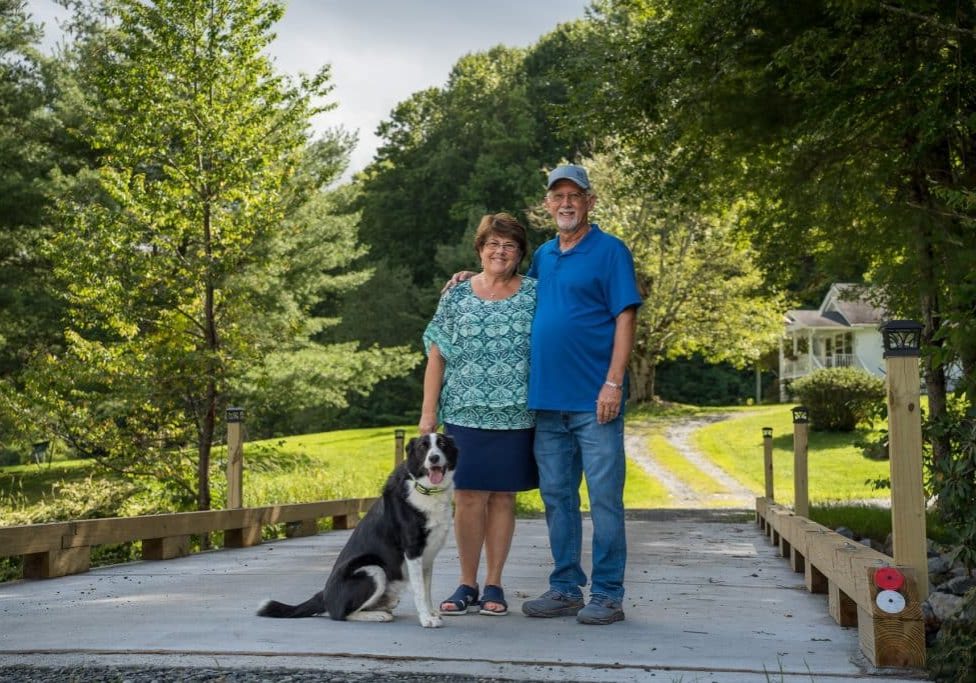
Hurricane Helene is estimated to have damaged nearly 7,000 private roads and bridges in Western North Carolina. Two years later, many restoration projects are complete, but the journey hasn’t been easy — and isn’t over for others.
After 20 Years, Letcher County Prison Proposal Is Still Alive, Though Obstacles Remain
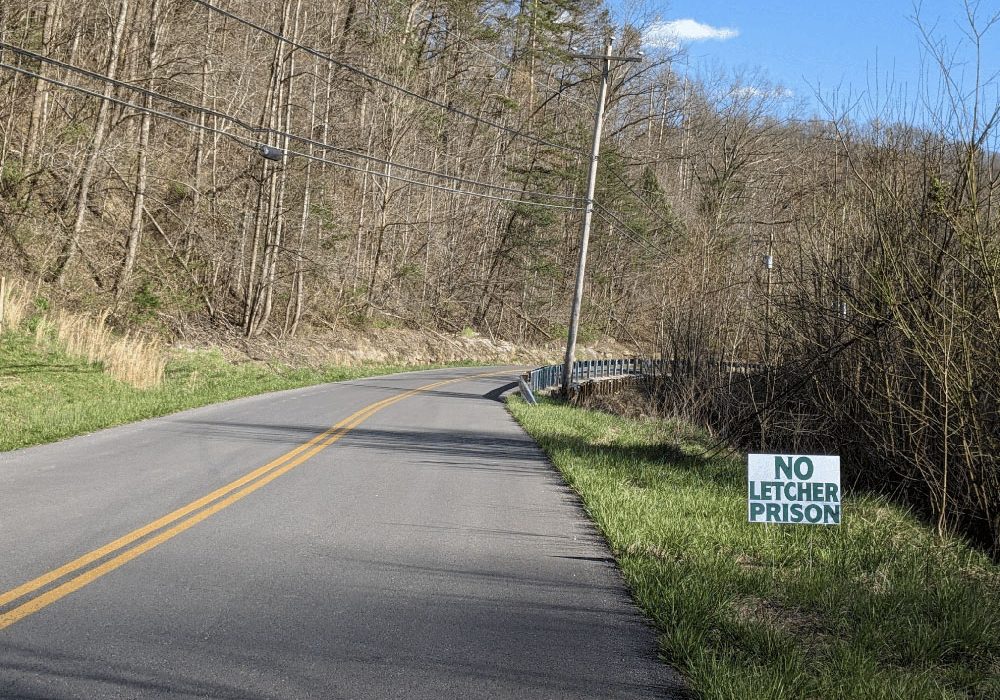
A $605 million proposal for a federal prison on a former strip mine site in Letcher County, Kentucky, championed by U.S. Rep. Hal Rogers, refuses to die, despite local opposition, a lack of support from the executive branch and numerous other obstacles.

Leave a comment
Your email address will not be published. Required fields are marked *
Leave a Comment