

Emily Shanblatt
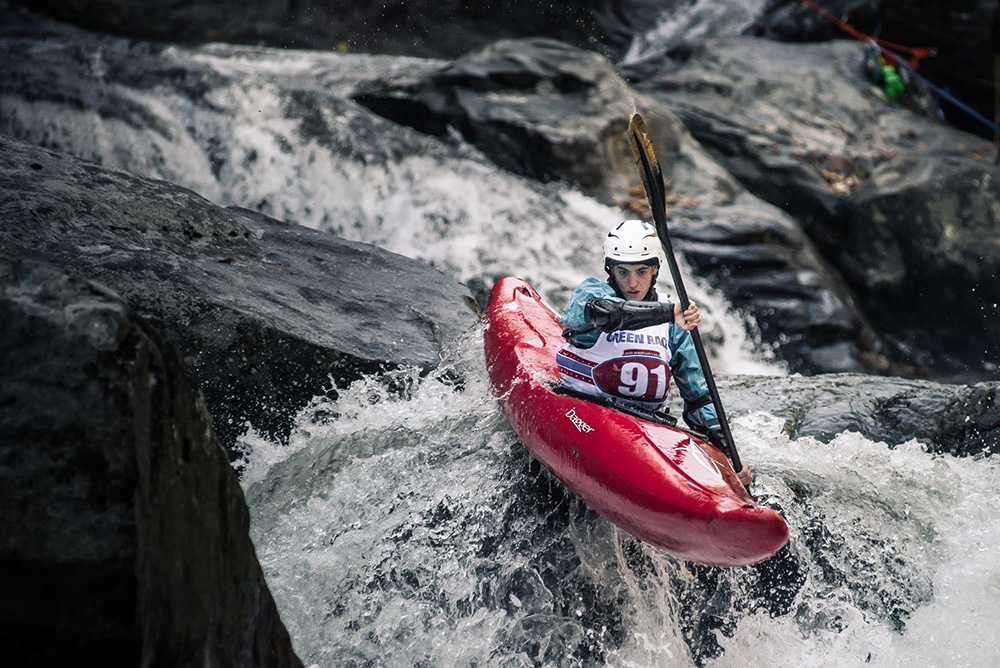
Photo by Todd Henley
“The feeling of maneuvering amongst the chaos of the waves and the current, learning how to read the water, and the exhilaration of just a few unexpected splashes in the face had me hooked,” says Shanblatt.
In 2012, she started leading paddling trips for the French Broad River Academy for Boys, a private middle school in Asheville, N.C., that specializes in adventure education in addition to traditional academics. In 2015, she joined three other staff members in opening the FBRA for Girls.
“We’re doing incredible things with using the outdoors to teach character development and leadership,” says Shanblatt. “These girls are going to totally shape the future, and so many of the valuable skills they’ll use later in life are ones they’re learning while canoeing with each other every week.”
As the school’s outdoor programs director, she organizes outdoor activities and trips and finds new ways to push the students in their technical, leadership and communication skills as well as social and emotional relations.
“We’re always asking ourselves, ‘What skills are these girls going to need in high school, college and the world beyond?’ And then we try to use the outdoors to reach those skills,” says Shanblatt.
The Southeast is known for creeking, a type of whitewater paddling with low-volume boulder gardens, waterfalls and slides. Shanblatt says she loves this style because it puts an emphasis on skill development and working with the river. Some of her favorite spots include the Green River in Saluda, N.C., and the steep creeks of the Smoky Mountains. When it comes to teaching Class I to III whitewater, Shanblatt says it is hard to beat the French Broad.
“From my home in Asheville, I can access close to 100 whitewater sections within an hour or two. Many of these sections are Class II and III, which make them excellent spots to build skill, gain confidence and mess up without big consequences,” she says. “When it comes to Class IV and V, we also have some of the world’s best and easiest access to challenging whitewater.”
In addition to directing the academy’s outdoor program, Shanblatt also teaches 6th grade math.
“Both roles are incredibly rewarding because we get to see the students in so many different situations, venues and lights,” says Shanblatt. “We believe the outdoors is like a hack, or a shortcut, for developing competent and confident young women, and we’re seeing that firsthand with our students everyday.” – By Hannah McAlister
Related Articles
Latest News
More Stories
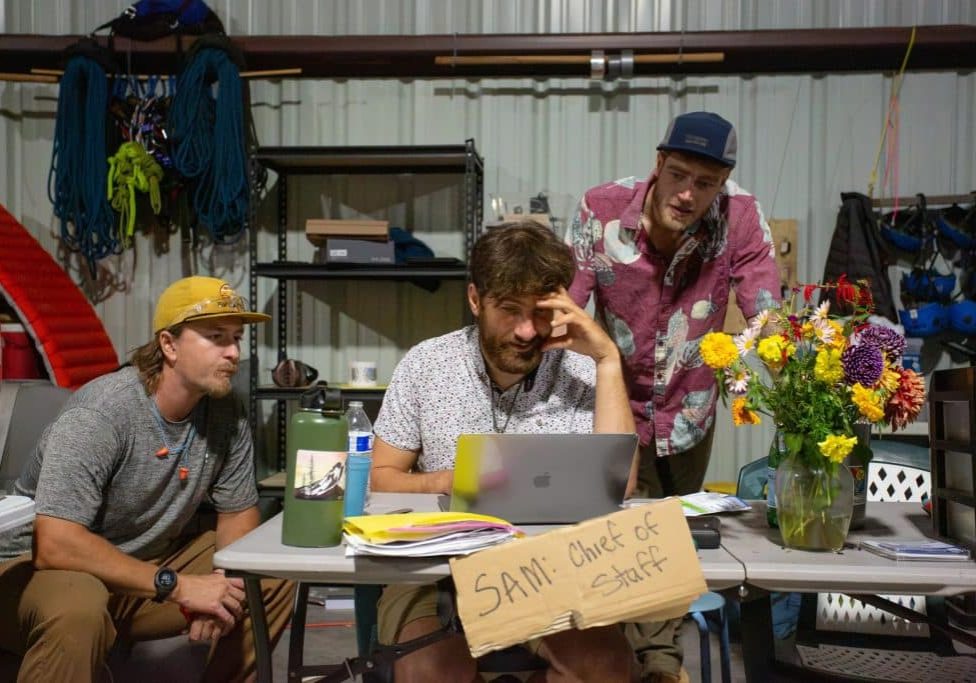
Neighbors Help Neighbors
A photo essay that celebrates the volunteer spirit of the grassroots group Hurricane Helene WNC and speaks to the resourcefulness, collaboration and hard work embodied by thousands and thousands of volunteers, first responders and aid workers across the region after Hurricane Helene.

Halloween Approaches, and Night School Is in Session
The House of Art in Bluefield, West Virginia, looks like a haunted tower, making it the perfect location for its sixth annual haunt event: Night School. The Night School will be open every Friday and Saturday night through Oct. 31.
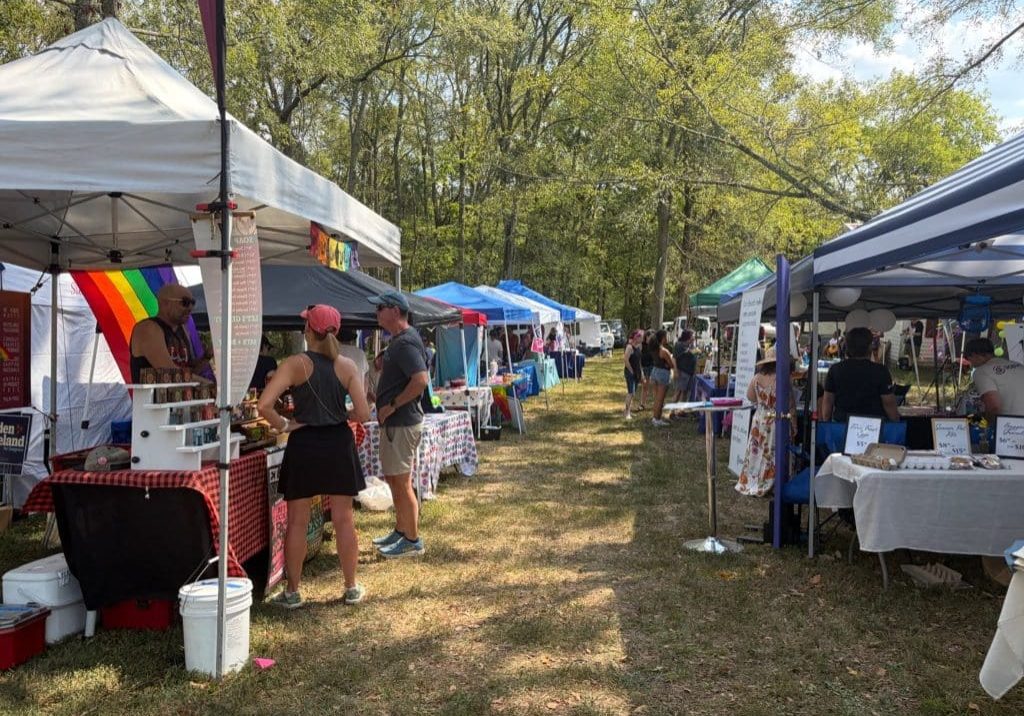
‘The Most Perfect Act of Love’
Hundreds of people attended the second annual Affirming Sumner Pride celebration on a 24-acre farm dubbed “Fruity Farm” in Bethpage, Sumner County, Tennessee.
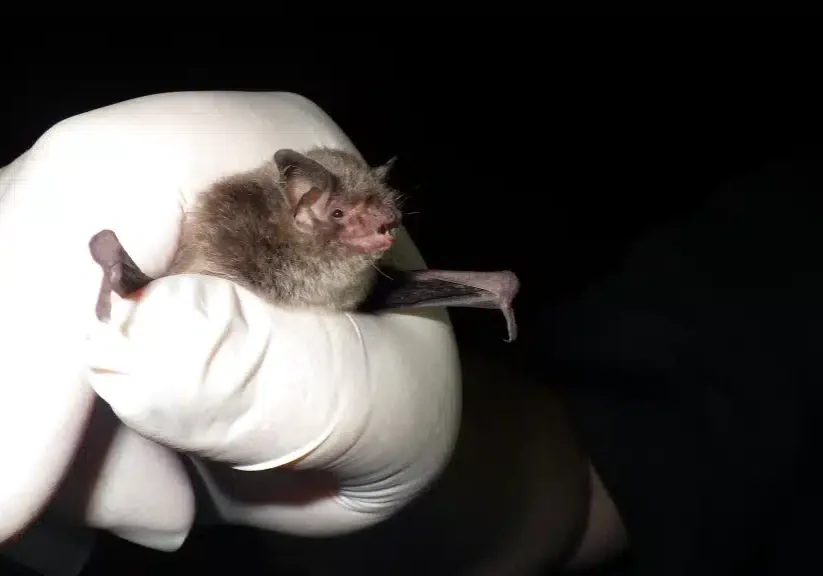
Signs of Life: Endangered Bats Found in Nantahala for First Time in More Than a Decade
In the Nantahala National Forest, a team of biologists spotted Indiana bats, an endangered species that hasn’t been seen in North Carolina for the last 11 years.
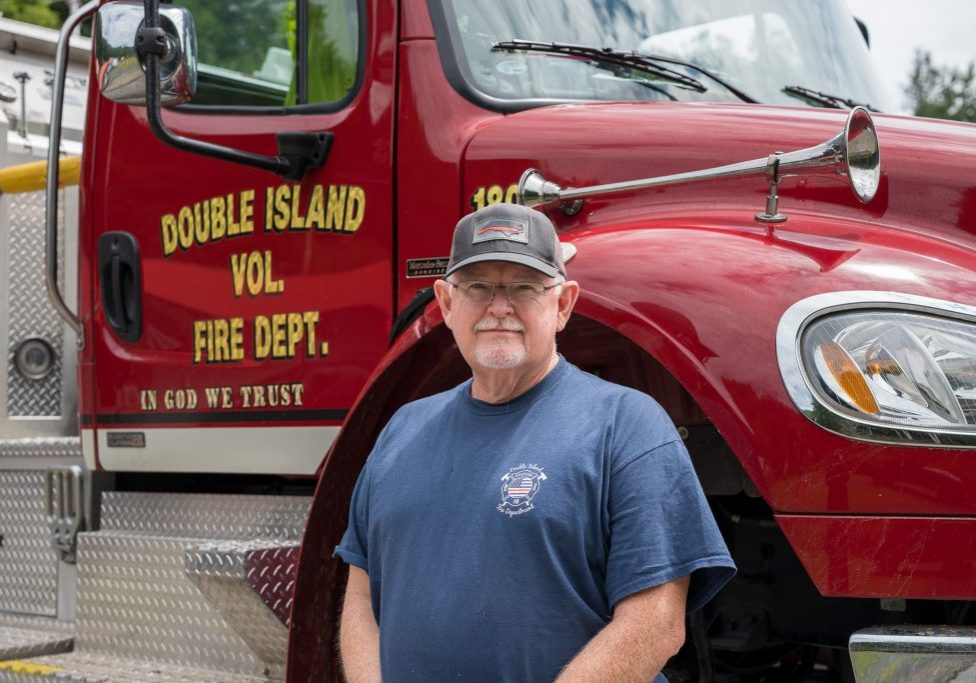
‘First Line of Defense’
During Hurricane Helene and its aftermath, rural fire departments and other first responder hubs played critical roles in keeping their communities safe, even without power and cut off from outside support for days or weeks after the storm. Two years later, plenty of work remains to ensure these hubs have the resources they need to operate day to day and be ready when emergencies or natural disasters strike.
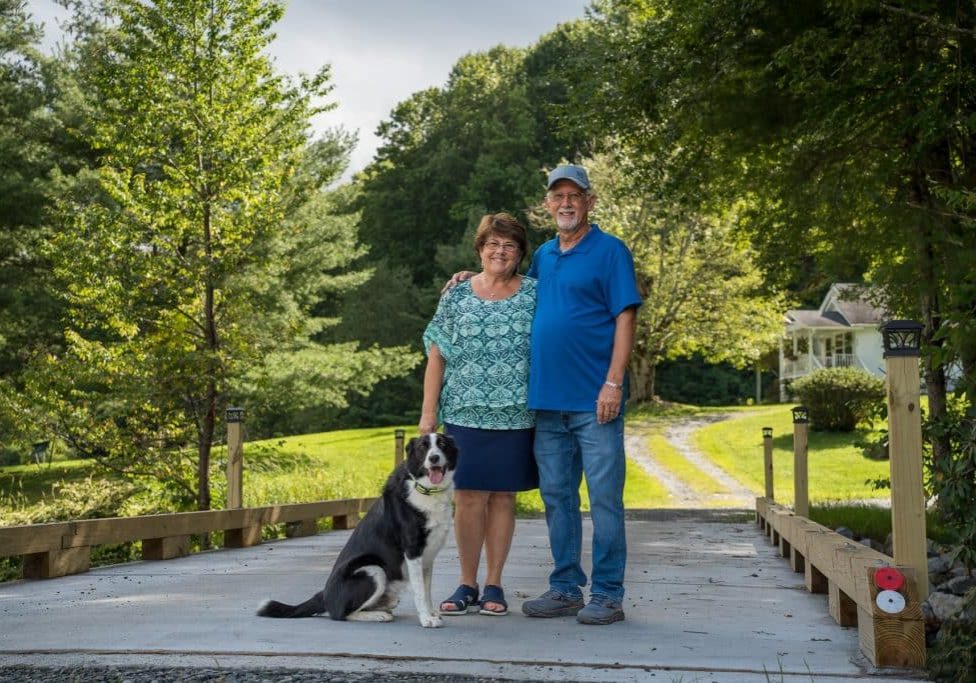
The Rocky Road — and Bridge — to Recovery
Hurricane Helene is estimated to have damaged nearly 7,000 private roads and bridges in Western North Carolina. Two years later, many restoration projects are complete, but the journey hasn’t been easy — and isn’t over for others.

Leave a comment
Your email address will not be published. Required fields are marked *
Leave a Comment