

By Julia Lindsay
In a direct challenge to North Carolina laws governing electricity sales, clean energy group NC WARN financed a 5.2-kilowatt solar project on the roof of Greensboro’s Faith Community Church and plans to sell the energy to the church for about half of Duke Energy’s solar rate.
Duke’s attorney cautioned that the project is prohibited by law, but said the utility would connect the solar array to its grid “in order to not inconvenience” the church. The state is one of four that forbid entities other than regulated monopolies from selling electricity to consumers.
NC WARN asked the state utilities commission to allow their direct sales to help the church sidestep upfront costs. The nonprofit has also backed N.C. House Bill 245, dubbed the Energy Freedom Act, a bipartisan measure that would legalize third party sales, which the organization says stimulate competition and incentivize energy companies to expand their renewables programs.
Duke Energy’s Robert Caldwell told news outlet Utility Dive that Duke welcomes the competition provided that the third parties “pay us what it costs to stay connected to our grid.”
Related Articles
Latest News
More Stories

Signs of Life
In the Nantahala National Forest, a team of biologists spotted Indiana bats, an endangered species that hasn’t been seen in North Carolina for the last 11 years.

‘First Line of Defense’
During Hurricane Helene and its aftermath, rural fire departments and other first responder hubs played critical roles in keeping their communities safe, even without power and cut off from outside support for days or weeks after the storm. Two years later, plenty of work remains to ensure these hubs have the resources they need to operate day to day and be ready when emergencies or natural disasters strike.

The Rocky Road — and Bridge — to Recovery
Hurricane Helene is estimated to have damaged nearly 7,000 private roads and bridges in Western North Carolina. Two years later, many restoration projects are complete, but the journey hasn’t been easy — and isn’t over for others.
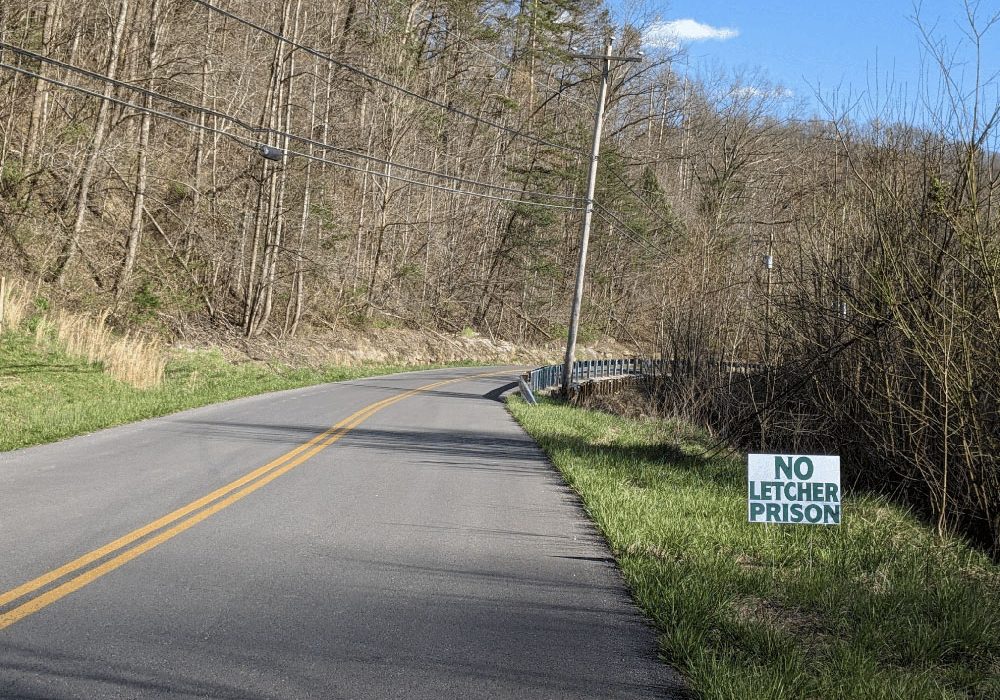
After 20 Years, Letcher County Prison Proposal Is Still Alive, Though Obstacles Remain
A $605 million proposal for a federal prison on a former strip mine site in Letcher County, Kentucky, championed by U.S. Rep. Hal Rogers, refuses to die, despite local opposition, a lack of support from the executive branch and numerous other obstacles.
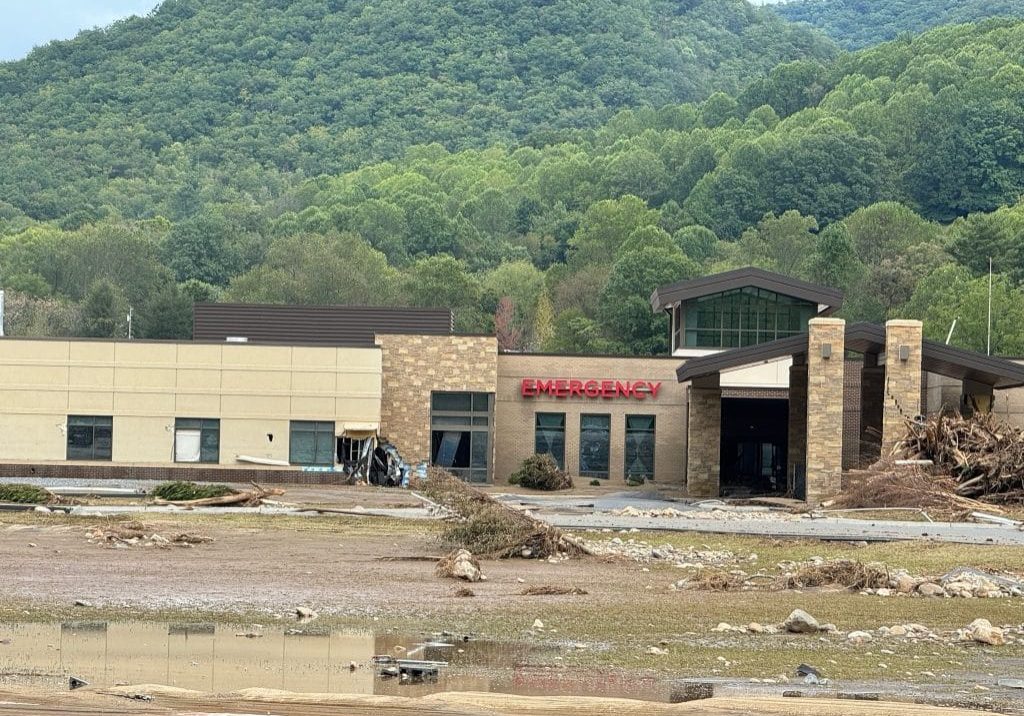
The Washout and Rebuild
For nearly two years, residents of Unicoi County, Tennessee, have had to make do without a hospital after Hurricane Helene destroyed the rural hospital. Ballad Health, which owns the hospital, broke ground on a new location — in another floodplain — in August 2026.

The Shenandoah Salamander
The Shenandoah salamander is a woodland salamander, which has adapted to life at higher elevations away from water. This sparkling rarity lives among the dry leaves, cracked logs, and stony hillocks on the highest peaks of Shenandoah National Park.

Leave a comment
Your email address will not be published. Required fields are marked *
Leave a Comment